AI strategy & use-case discovery
We find where Claude actually pays back, score use cases on value and feasibility, and turn the winner into a scoped, low-risk build plan.
Value & feasibility scoring Americas' Fastest-Growing 2025
One page from a senior architect, within two business days. The single highest-payback AI move in your Odoo, Adobe or custom stack, and the two things to leave alone. Yours to keep.
One page from a senior architect in two business days: your highest-payback AI move, and what to leave alone.
As a member of Anthropic’s Claude Partner Network, Brainvire ships production-grade AI agents, grounded in your own data and working inside your ERP, CRM and commerce platforms.
/ Built on Claude
Most enterprise AI stalls at the pilot. We build on Anthropic’s Claude models like enterprise software: Claude API integration, tool use and MCP servers, grounded in your data, tested for accuracy and shipped with guardrails.
Assistants that answer from your policies, catalogs and knowledge bases, with citations, inside the tools your teams and customers already use.
Multi-step agents that read, decide and act across your systems: quotes, triage, research and back-office tasks, with a person in the loop where it matters.
Model Context Protocol servers and tools that give Claude safe, approved access to your ERP, CRM, commerce and support systems.
The right Claude model for each task, automated evaluation and safety guardrails, so quality is measured before anything reaches a user.
Trusted by enterprise commerce leaders worldwide





/ What we build on Claude
AI agent development and agentic AI consulting, from strategy to a governed, running system, built by the team that has shipped enterprise software for 14+ years.
We find where Claude actually pays back, score use cases on value and feasibility, and turn the winner into a scoped, low-risk build plan.
Value & feasibility scoringAssistants and customer-facing AI apps built on the Claude API, connected to your data and systems and designed for real workloads.
Grounded, cited answersAgents that plan and carry out multi-step work across your tools, from research and drafting to back-office operations, with approval steps where they matter.
Tool-using, multi-step agentsMCP servers that connect Claude to your ERP, CRM, commerce and support stack, including Odoo, Adobe Commerce and Shopify, exposing only approved actions.
Only the access you approveWe roll out Claude for Enterprise and Claude Code, Anthropic’s coding agent, for faster delivery and legacy code modernization, with access controls and shared team rules.
Rolled out with guardrailsAutomated evals, guardrails, monitoring and cost controls, so accuracy, safety and spend are measured and managed in production.
Measured accuracy & cost/ AI in production
Production AI for enterprise clients: grounded in their own data, connected to their systems, shipped with guardrails.
20 to 30sto read a purchase order and draft the orderAn AI agent reads purchase orders that arrive in support tickets and drafts them straight into Adobe Commerce, so the team checks orders instead of keying them in.
Read the case →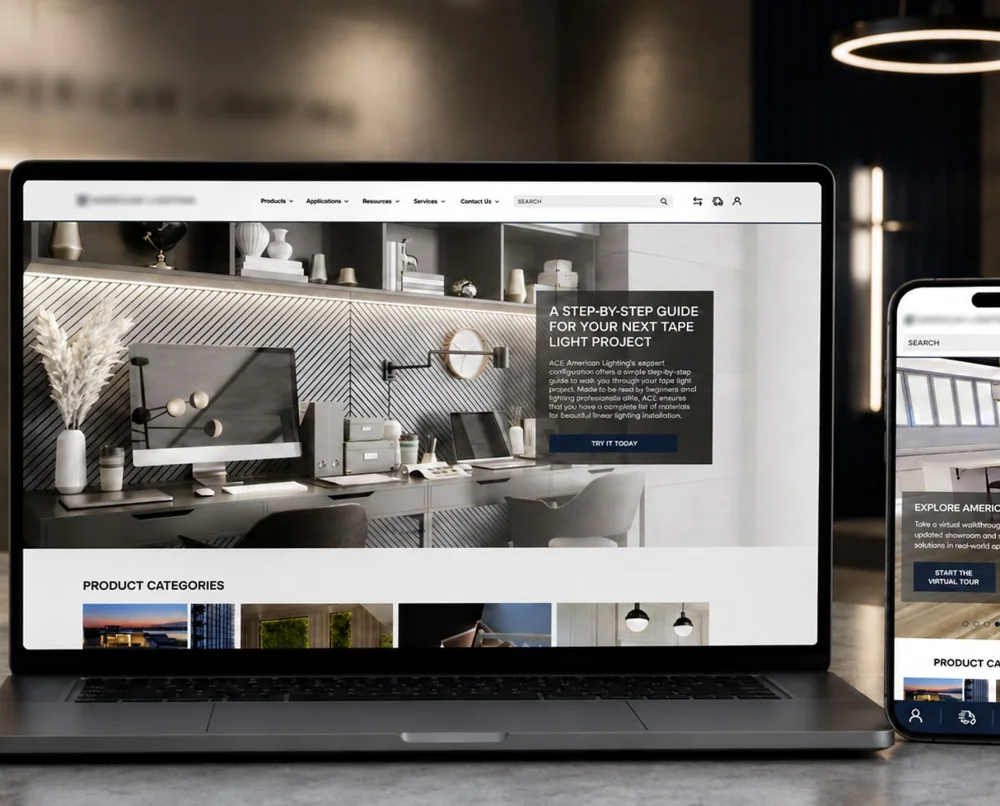
 5M+active users after the AI-automated loan journey
An AI-automated loan process let customers apply and get approved on the app, with $150M+ in loans managed and fewer branch visits.
Read the case →
An AI-enabled on-demand platform connects 700+ pharmacies and nearly 5,000 delivery agents, matching demand to stock in real time.
Read the case →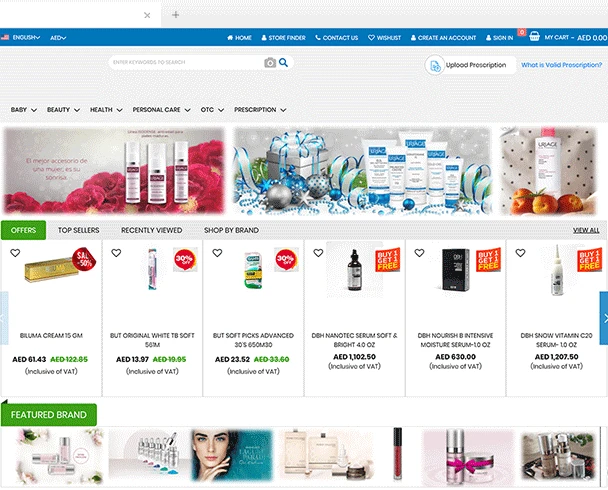
/ How a project runs
Six stages, each with something you can check before the next one starts.
We map where Claude can remove real work, score each use case on value, feasibility and risk, and agree on the success measure before anything is built.
Value & feasibility scoringWe trace which documents, databases and systems the application needs, who may see what, and which Anthropic data controls apply, so your security team reviews the design first.
Security reviewed firstA thin, working version on your real data: Messages API calls, retrieval and one or two integrations, tested by the people who will use it.
Proven on real dataWhere work needs several steps, we build agents with the Claude Agent SDK, tool use and MCP servers, with approval steps for anything that writes to a system of record.
Tool-using, multi-step agentsEval suites of real examples run on every prompt or model change, guardrails check inputs and outputs, and red-team tests probe for prompt injection before launch.
Measured accuracy & costWe deploy in your cloud, trace agent runs, watch accuracy and spend per feature, and hand your team the code, prompts and runbooks to operate it.
Deployed in your environment/ Ways to start
Pick the engagement that fits your stage. Each one ends with something you can use.
A focused workshop to rank your Claude use cases on value and risk, so you leave with a clear build plan.
One use case built on your real data and tested by real users, so the go or no-go decision rests on facts.
Agents, integrations and guardrails built and launched across teams, with monitoring from day one.
Move existing AI features from another model to Claude, compared side by side on your own evals before you switch.
Hands-on Claude and Claude Code training for your teams, plus a playbook that keeps adoption growing.
After launch we watch accuracy, cost and safety, and keep prompts and models up to date.
/ Questions, answered
The Claude Partner Network, also called the Anthropic Partner Network, is Anthropic’s program for organizations that help enterprises adopt Claude. Anthropic launched it in March 2026 with an initial $100 million commitment for partner training, technical support and joint market development.
Yes. Brainvire is a member of Anthropic’s Claude Partner Network. We design, build and run Claude solutions for enterprises, and connect them to the commerce and ERP platforms we already deliver as an Odoo Gold Partner, Adobe Gold Partner and Shopify Premier Partner.
Claude API integration connects the model to the systems your business already runs. The work covers key management, the Messages API calls themselves, retrieval over your documents and databases, tool calls into your CRM, ERP and support tools, logging, and the access rules that decide who can see what. The model call is usually the smallest part of the code.
Assistants that answer from your own documents with citations, AI agents that handle multi-step work such as quotes, approvals and support cases, data extraction from long documents and contracts, and coding agents that speed up your engineering teams. Combined, these become assistants, agents and back-office automation.
The Claude Agent SDK is Anthropic’s library for building agents on the same foundation that powers Claude Code, available for Python and TypeScript. It gives an agent tools, context management and permissions, so it can carry out long, multi-step tasks inside your application.
The Model Context Protocol (MCP) is an open standard, introduced by Anthropic, for connecting AI models to tools and data. We build MCP servers that expose specific, approved actions in your systems, such as checking an order or creating a ticket, so Claude can read and act with exactly the access you allow.
Yes, through tool use or MCP servers that expose specific, approved actions in platforms such as Odoo, Adobe Commerce, Shopify and Salesforce. Each action is logged, write actions can require approval, and the agent gets only the credentials the task needs.
Anthropic offers model families for different needs: Opus for the most complex reasoning, Sonnet for a balance of capability and speed, and Haiku for fast, high-volume tasks. We choose the smallest model that passes the evals for each task, and often combine them in one workflow.
Anthropic states that, by default, it does not train its models on data from its commercial products, including the Claude API and Claude for Enterprise. We review the data retention settings and terms that apply to your account with your security team before any production data is sent.
Claude is available through Anthropic’s own API and through cloud platforms including Amazon Bedrock, Google Cloud Vertex AI and Microsoft Foundry. Your application, retrieval index, logs and integration code run in your own cloud account, so you control what is sent to the model and what is stored.
We build retrieval over your documents and databases and pass only the passages a user is allowed to see to Claude, with citations back to the source. For content that must stay in your environment or needs row-level permissions, the retrieval layer runs in your cloud.
We follow Anthropic’s published guidance and add enterprise controls on top: guardrails on inputs and outputs, limits on what an agent may do in each system, red-teaming against prompt injection, and a human in the loop for high-stakes actions. Agents get the narrowest permissions that still let them do the task.
Claude Code is Anthropic’s agentic coding tool. It works in the terminal and in code editors, reads a codebase, makes changes and runs tests. Our engineers use it for code generation, reviews and testing, and we help client teams set it up with shared rules and guardrails.
Yes. We plan the rollout, set up single sign-on, admin and access controls, connect Claude to the tools your teams use, and train people on safe, effective habits, so adoption grows without losing control of your data.
We keep eval suites as code in your own repository. Each suite holds real example inputs with expected outcomes, runs on every prompt or model change, and blocks a release when accuracy drops, so quality is measured before users see a change.
Cost is designed in, not audited later. We pick the smallest model that passes the evals, use prompt caching for stable instructions, send non-urgent work through batch processing, limit output length, and monitor spend per feature. Anthropic’s pricing page is the reference for current rates.
The strongest early use cases share three traits: a high volume of repetitive text work, a clear source of truth, and a person who can check the output. Common examples are support answers drawn from policy documents, review of long contracts or reports, order and quote drafting, and triage of IT or operations requests.
Yes. We port prompts, tools and retrieval to Claude, run both models side by side on your own evals, and switch only when Claude matches or beats current results on accuracy and cost.
Yes. Claude Code can read large codebases, explain old code, write tests and help move it to modern frameworks. Our engineers lead the work and review every change, so speed never costs quality.
Yes. We run hands-on sessions for business users, developers and admins on Claude, Claude Code and safe prompting, and help you set up a center of excellence so adoption keeps growing after we step back.
Most clients start with a discovery workshop or a pilot on one use case. From there we move to a production rollout, team training or managed AI operations, depending on what you need.
No. We build on Claude when it is the right fit, and also work with OpenAI, open models and cloud AI services such as Azure AI, AWS and Google Cloud Vertex AI. Keeping model calls behind one interface in your code lets you compare models on your own evals and switch when needs change.
You do. The code, prompts, eval suites and infrastructure sit in your repositories and cloud accounts, and ownership is agreed in the contract before work starts, so your team can read, change and run everything independently.
Ask for production examples close to your use case, how accuracy is measured before and after launch, how data retention and access are handled, who owns the code and prompts, and what happens after go-live. A capable team answers each with specifics rather than a demo.
/ Next step
A 30-minute session with a Brainvire AI architect: your best Claude use case and what it takes to ship it safely.
Book a Working Session →Cookies on this site
Essential cookies are always on. They keep the site secure and make forms work.
We also use Google Analytics and Microsoft Clarity to see how the site is used. We only turn these on if you accept.