
Odoo ERP for Textile, Apparel & Fashion: one system for the whole operation
Brainvire configures Odoo the way apparel businesses trade: every style held as a size and color matrix, each variant with its own stock figure and barcode.
Sales, Inventory, Manufacturing, eCommerce and Accounting on one database, where a style is a matrix of size and color variants, each with its own stock and barcode.
Apparel and footwear brands, textile mills and fashion wholesalers selling to the trade and direct, making in-house or through cut-make-trim partners.
Small implementations 8 to 12 weeks. Mid-market 12 to 24 weeks. Multi-entity, multi-country rollouts 6 to 12 months.
An Odoo functional consultant, a merchandising lead, an integration engineer, a data lead and a solution architect.
/ Before you change anything
Does your apparel operation look like any of this?
Patterns we see where the size and color grid is kept by hand.
The size and color grid lives in a spreadsheet
Stock is held at style level and split by size and color by hand, so nobody trusts either figure.
Last season is still mixed in with this one
Carryover, current range and pre-order sit inside one stock number, so markdown rests on a figure meaning three things.
Trade orders and the web store argue over the same units
Wholesale allocations, marketplace listings and the site each hold their own availability, so units get sold twice.
The cut-make-trim partner reports by email
Fabric issued, cut and delivered lives outside the system, so work in progress is a phone call.


Trusted by enterprise Odoo teams worldwide






/ The work itself
What does Brainvire actually configure in Odoo for an apparel business?
Odoo ships product variants, a stock ledger and a manufacturing app. The value is in the configuration, and in being straight about what it does not do.
| Odoo default | What Brainvire changes | Why it matters |
|---|---|---|
| One product, one stock figure | Size and Color set up as attributes with values, so a style becomes a variant matrix | The grid leaves the spreadsheet for the record everyone reads |
| Every combination created at once | Variant Creation Mode per attribute — Instantly, Dynamically or Never — and Exclude for rules | No dead variants for a style that runs in three sizes |
| The barcode sits on the style | A barcode per variant; Odoo puts barcodes on the variant, not the product template | The scanner at goods-in tells small navy from medium navy |
| Stock counted at style level | Inventory counted for each variant; the style form shows the sum | Availability by size is a fact a picker can act on |
| One variant added at a time | Variant Grid Entry switched on, so a size run is typed into a grid on the quotation | A size curve is one screen, not thirty lines |
| One unit of measure per product | Purchase and sales units of measure per product, converting inside one unit category | Fabric bought by the meter or the roll, garments sold by the piece |
| Stock tracked by quantity only | Lot tracking on fabric, dye batches and trims, carried through receipt, production and delivery | A shade complaint traces back to the roll the garment was cut from |
| A bill of materials per variant | One bill of materials with Apply on Variants set on components and operations | The contrast trim that only exists in the black colorway is consumed only there |
| Production assumed in-house | Subcontracting enabled, with Resupply Subcontractor on Order so components ship to the cut-make-trim unit when the purchase order is confirmed | Fabric sitting at a partner factory is still your stock, and you can see it |
| Reordering rules for everything | The Master Production Schedule for long-lead and seasonal lines, planned by period against a forecast a planner sets | Odoo suggests the quantity; a planner raises the order |
| The web store keeps its own catalog | The same variants published to the storefront, with display type and filter visibility set per attribute | Shoppers filter by size and color against the stock the warehouse holds |
Feature names follow the Odoo 18 documentation.
/ Automation where it touches the order
Where does AI earn its place in an apparel business?
Four places automation pays for itself. The rest of the gain comes from configuration.
Marketplace and wholesale orders in one place
Amazon and Shopify orders land in one Odoo sales order model, a warehouse per fulfillment type. We built that for Colosseum Athletics, handling more than 9,000 orders a day.
Mill and trim invoices read, not typed
Supplier documents are digitized into draft vendor bills with dates, taxes and lines filled in, then routed for approval. Your team checks exceptions.
Returns and exchanges that do not wait for month end
Fashion lives with returns. For an adventure clothing brand we rebuilt the Odoo and Shopify sync so a storefront return appears in Odoo at once, and in-store exchanges land correctly.
Buying planned size by size
Forecasted stock, reordering rules and lead times sit on the variant, so replenishment proposes the sizes that sold.
What has to connect to an apparel business’s Odoo?
Odoo does not replace every system a fashion business runs. It has to agree with them.E-commerce
The storefront sells from Odoo’s stock, not a copy of it. Variants, images and availability publish to Shopify, WooCommerce or Adobe Commerce, and orders come back as sales orders. We built an Odoo-Shopify backend this way for a luxury apparel brand.
 and more
Legacy ERP and POS
Leaving a fashion ERP, Sage or an older till system need not lose history. We map the style and variant master, customers and open orders record by record, then reconcile stock size by size before cut-over.
 and more
Marketplaces
Amazon, Walmart and eBay each send their own export, and none agrees with the others. We map them into one sales order structure with an exception queue. For Colosseum Athletics we imported more than 300,000 historical Amazon orders and kept FBA and FBM stock in separate warehouses.
 and more
Shipping Gateways
Carrier accounts, live rates and labels belong on the delivery order, whether the parcel leaves a distribution center, a store room or a 3PL.
 and more
Taxation
Sell across enough states or countries and the rate follows the destination, not you. A tax engine plugs into Odoo so a trade invoice, a web order and a receipt charge the same thing.
 and more
Payment Gateways
Card terminals in the shop and checkout online settle against one receivable, and a sale can split across tenders.
 and more
Other Integrations
Apparel PLM and design systems, EDI for department-store customers, 3PL warehouses, barcode scanners and BI dashboards all touch a fashion business. Each gets a defined interface and a reconciliation.
 and more
/ Delivery
How does an Odoo rollout run in an apparel business?
Small implementations 8 to 12 weeks, mid-market 12 to 24 weeks, multi-entity rollouts 6 to 12 months. A named owner and a working demo at each stage.
Discovery
We sit with merchandising, walk the stock room and the cutting floor, and list every system holding a style, size or cost.
Design
The attribute model, variant creation mode, bill-of-materials structure, warehouse and channel map are agreed in writing before anything is built.
Build and data
Configuration, integrations and any Studio work, then the variant master, customers, open orders and opening stock by size loaded to test.
Pilot and go-live
One brand or channel goes live first, proven with a physical count by variant and a full trading week. The rest follow on a period boundary.
/ Scope
What makes an apparel scope bigger or smaller?
A typical engagement covers Sales, Inventory, Purchase and Accounting for one brand and one channel, with the variant master and opening stock migrated.
How wide the matrix runs
Two attributes and a short size run is a different job from size, color, fit and length on every style.
In-house, cut-make-trim or bought finished
Subcontracting adds routes, component shipments and a view of stock at a partner factory.
Who you sell to
Wholesale with EDI, own stores, a storefront and a marketplace are four pieces of work, not one.
Brands, markets and warehouses
Each entity adds intercompany rules, a fiscal localization and statutory reporting.
/ Accelerators
Start from a ready-made Odoo package.
A fixed-price Odoo package built on real projects, so you go live sooner with less risk.
/ Odoo, on the record
Where have we done this for apparel and textile businesses?
Each card is one client, on the record.
Colosseum Athletics
A collegiate apparel manufacturer founded in 1992, holding more than 400 license agreements with US schools. Odoo ERP runs its Amazon and Shopify orders and inventory from one system, a warehouse per fulfillment type.
Read the case →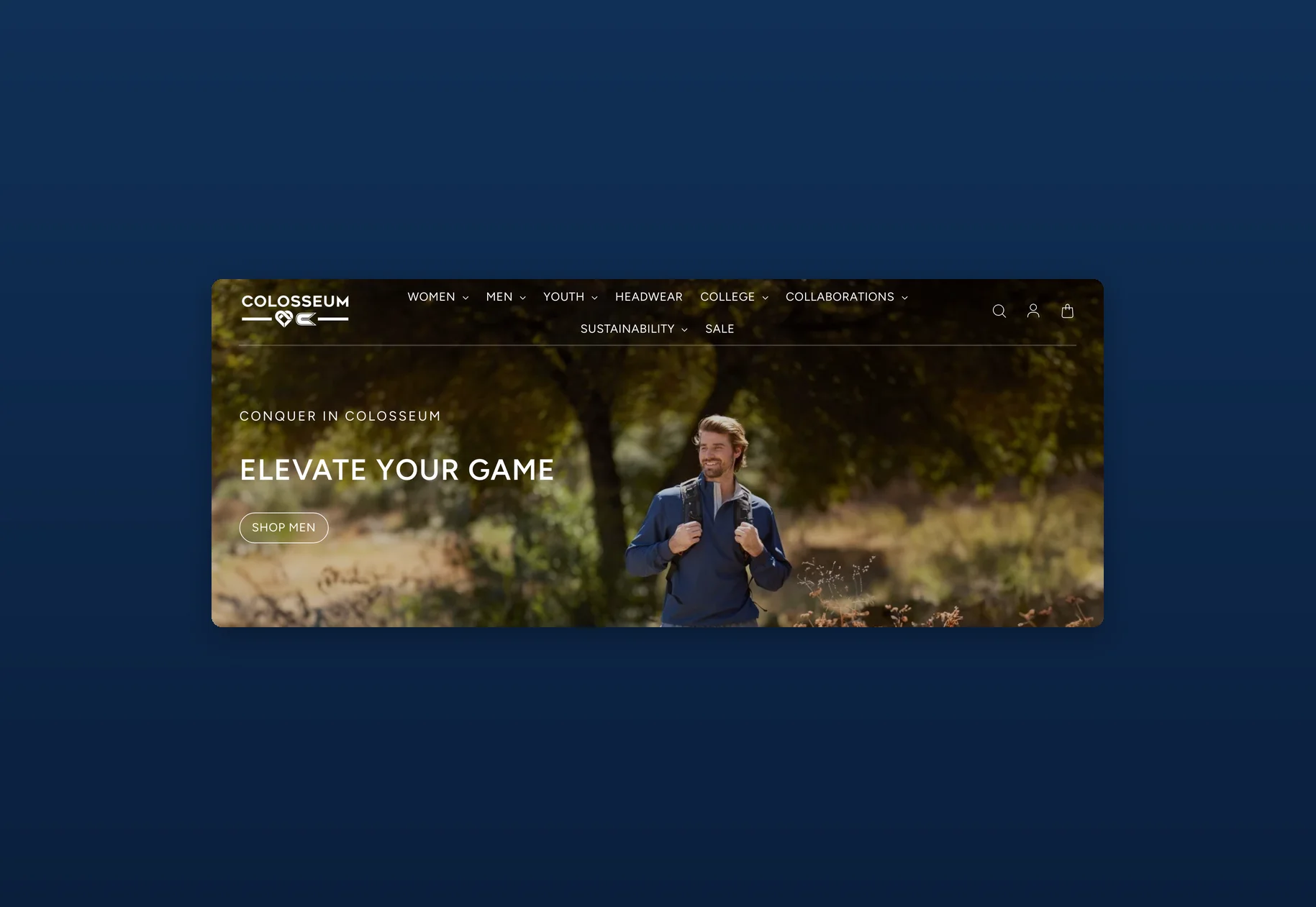
Luxury Apparel Brand
A contemporary fashion and jewelry house founded by two French women, trading between Paris and Mumbai. Brainvire built the backend ERP and integrated Odoo with Shopify, adding returns, pro-forma invoicing and virtual locations for trunk shows.
Read the case →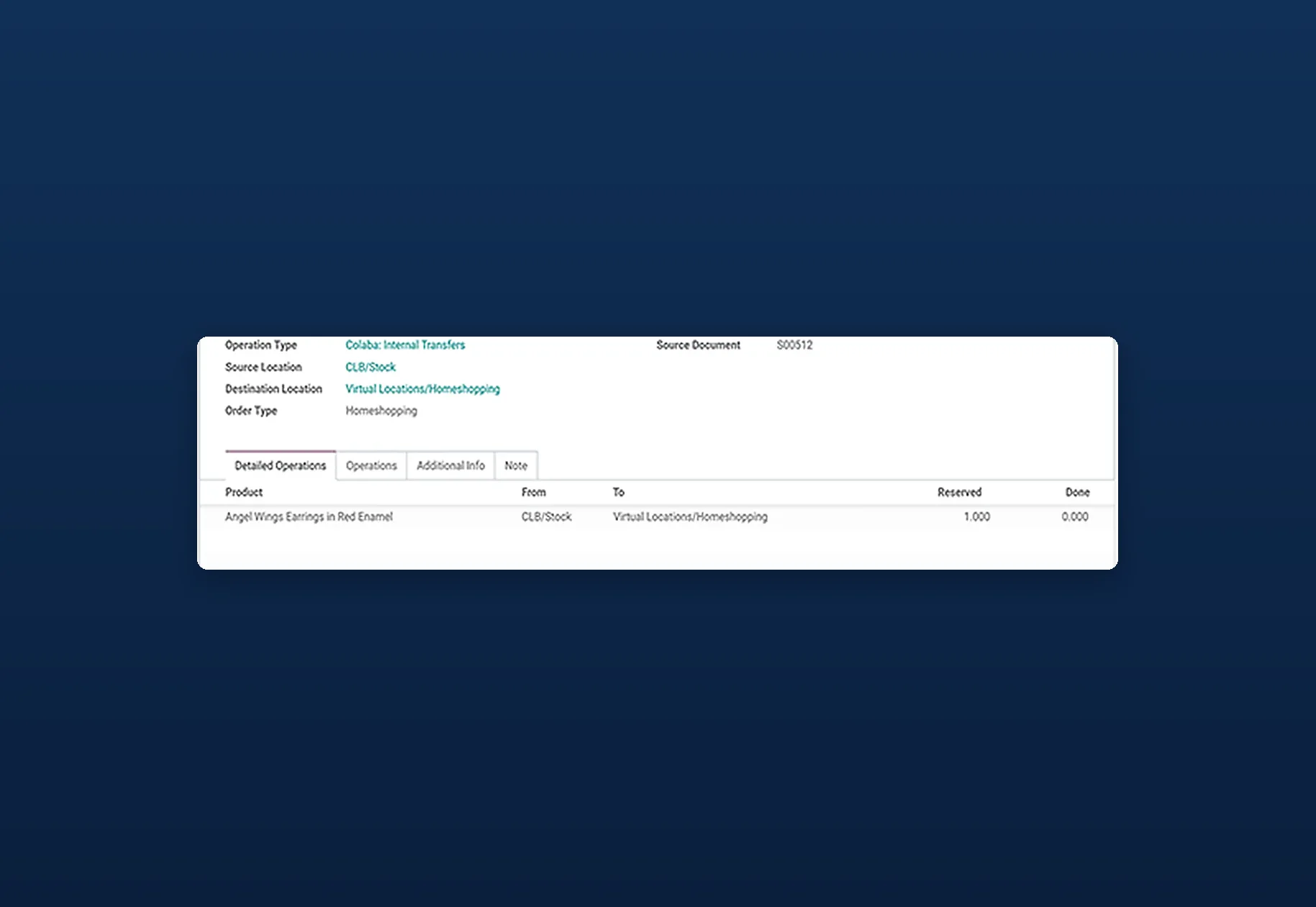
Eden Textile
A Canadian wholesale linen supplier and manufacturer serving hospitality and healthcare. Brainvire’s July 2024 announcement proposes an Odoo ERP upgrade from V15 to V17 and a B2B storefront on Adobe Commerce.
Read the story →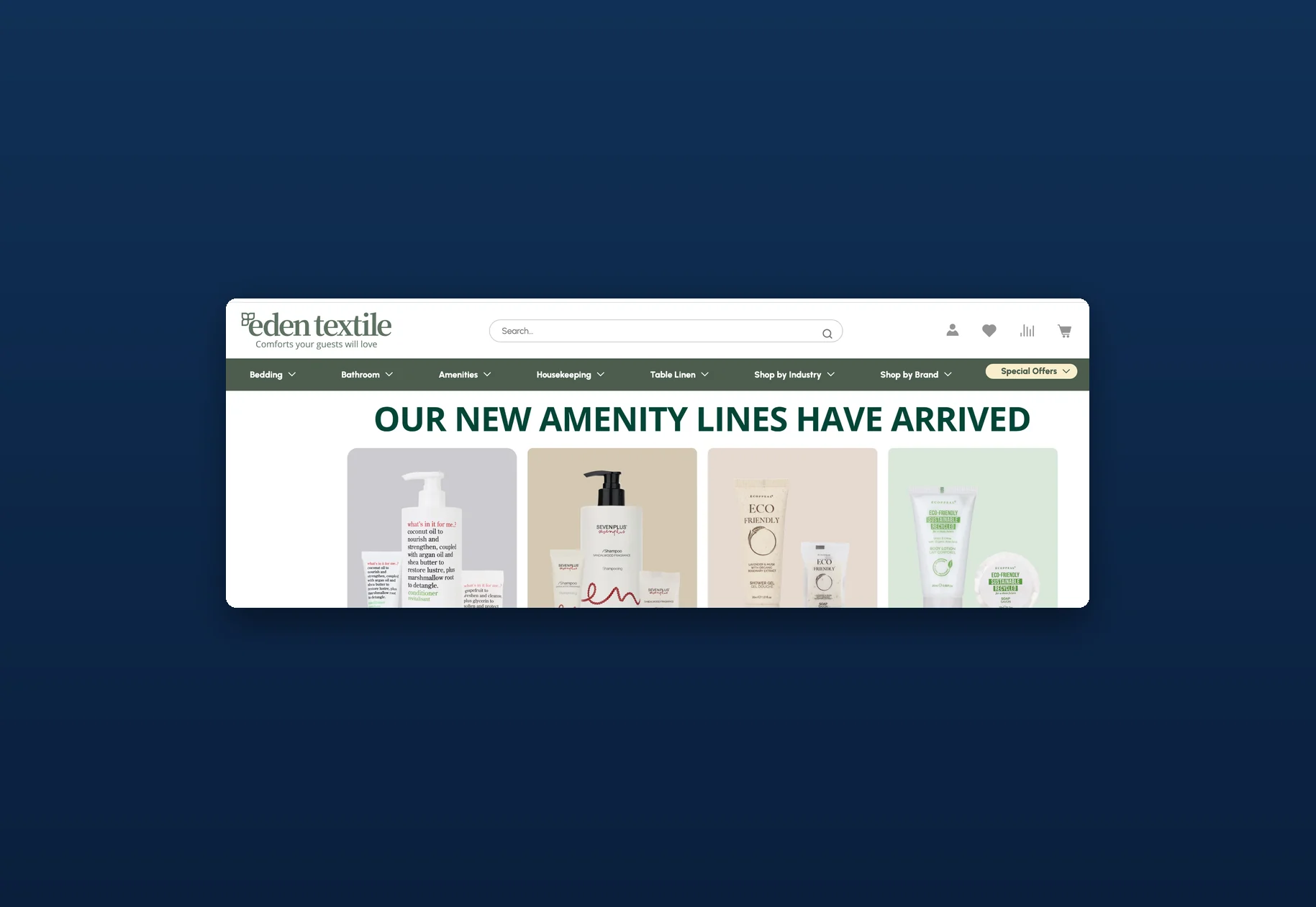
/ Comparison
Odoo, or a fashion-specific ERP and a separate stack?
Specialist apparel systems do things Odoo does not. The question is how much of your business is that part.
| Criterion | Specialist apparel system | Odoo |
|---|---|---|
| The size and color grid | Native, with size scales and curves built in | Attributes and values build the same matrix; each variant holds its own stock and barcode |
| Tech packs, grading and size sets | Built for it; a specialist earns its place here | No native apparel PLM. Odoo’s PLM app version-controls bills of materials; tech packs and grading sit elsewhere |
| The rest of the business | An apparel core, plus a storefront, warehouse and ledger | Sales, purchasing, stock, manufacturing and accounting on one database |
| Cost of a change | Regression-tested across every interface | Configuration in one place, custom code only where it is needed |
| Style and season planning | Seasons, drops and line plans are first-class objects | No native season planner. Seasons are modeled with attributes, tags, carryover locations and Master Production Schedule periods, or built in Studio |
Keep a specialist system if design, grading and line planning are the heart of it. Choose Odoo if the grid, the stock and the ledger are the pain. On another ERP? See Odoo ERP migration, or Odoo Manufacturing.
/ Questions apparel teams ask
Odoo for apparel FAQs.
Can Odoo handle size and color variants for apparel?
Yes, this is one of the things Odoo does natively. Size and Color are set up as attributes with their own values, and the combinations become product variants. Odoo's documentation works the apparel example: four colors by five sizes gives twenty variants, each with its own stock count.
Does every size and color get its own barcode?
Yes. Odoo associates barcodes with the variant rather than the product template, so each size and color combination carries its own barcode or SKU. Inventory is counted per variant too: the style form shows the sum, but the real figure sits on the variant, which is what a scanner needs.
Can a salesperson enter a whole size run in one go?
Yes, once Variant Grid Entry is switched on in Sales. Adding a style to a quotation then opens a Choose Product Variants grid, where the quantity for each size and color is typed in one view and confirmed onto the order lines. Otherwise the product configurator adds one variant at a time.
Does Odoo do apparel PLM, tech packs and grading?
No, and we will not claim otherwise. Odoo's PLM app manages engineering change orders and versions on bills of materials, which is useful once a style is in production. It is not an apparel PLM: no tech-pack templates, no grading, no size-set workflow. Those stay in a specialist tool.
Can Odoo plan seasons, drops and line plans?
Not as a native concept. Odoo has no season or line-plan object. Seasons are modeled with product attributes and tags, separate stock locations for carryover, and the Master Production Schedule, which plans replenishment by period against a forecast a planner sets. A real merchandising line plan is a build.
Can Odoo run cut-make-trim subcontractors?
Yes. Turning on Subcontracting adds a Subcontracting bill-of-materials type and two routes: Resupply Subcontractor on Order and Dropship Subcontractor on Order. Fabric and trims ship to the unit when the purchase order is confirmed, and finished garments are received against the same order, so factory work stays visible.
Can wholesale and retail run on the same Odoo database?
Yes, and that is usually the point. Trade orders, a direct storefront, marketplaces and stores all read one stock ledger, with a warehouse or location per site and pricelists per channel. Colosseum Athletics runs Amazon and Shopify orders through one Odoo system, with a warehouse per fulfillment type.
Can Odoo track fabric rolls and dye lots?
Yes, through lot tracking. Fabric, trims or finished garments can be tracked by lot, which represents a batch received, stored, manufactured or shipped, so a shade complaint traces back to the roll a garment was cut from. Units of measure convert between how fabric is bought and sold.
/ Next step
Let’s map your apparel operation onto Odoo.
- A senior architect replies within one business day
- Your details are never shared or sold
- An NDA can be signed before we hear any detail
US +1 (631) 897-7276 · Gulf +971-54-737-4253 · Singapore +65-9086-0319 · India +91-22-6116-3300.








Trusted by 2,000+ brands worldwide
“Brainvire has helped our business grow. We feel like it’s a true partnership. They’re always present. It’s been seven great years, looking forward to more.”
Book a working session
Tell us how wide your size and color grid runs and where you sell it.