Custom LMS Development
A learning platform engineered around your courses, roles and compliance model when no packaged product fits.
Your platform, your rulesOne page from a senior architect, within two business days. The single highest-payback AI move in your Odoo, Adobe or custom stack, and the two things to leave alone. Yours to keep.
One page from a senior architect in two business days: your highest-payback AI move, and what to leave alone.
/ Education technology · Built from Singapore
Learning platforms, student portals and the integrations behind them: enrolment, content, assessment and reporting joined up so staff stop rekeying. Built and supported from our Singapore office.
/ The Platform
Whether we configure Odoo eLearning or engineer a custom platform, the same disciplines cover your learning management system (LMS) rollout: content, delivery, assessment, compliance and the analytics that prove training happened.
Structured courses, video, documents and question banks, organised so subject owners keep publishing without engineering help.
Learning paths, schedules and time-bound access windows that put the right course in front of the right employee.
Course-wise tests and certificates that verify completion, mapped to the compliance record your auditors ask for.
One platform publishing localised content per market, the model we configured for Kajima across eight countries.
Standards-compliant content packaging, so courses you already own, or buy, run inside the new platform and track correctly.
The LMS reads people and roles from the systems you already run, so enrolment, access and reporting stay automatic.
Sell courses, subscriptions and certifications where training is a product, not only an internal cost.
Dashboards that show who completed what, where compliance gaps sit and which content actually gets used.
Trusted by education and edtech leaders worldwide






/ Proof, on the record
Regional programmes first; global work from the same bench follows.
/ What we build
One accountable team covers the whole learning stack: platform selection, configuration or custom build, content standards, integrations and the analytics that follow.
A learning platform engineered around your courses, roles and compliance model when no packaged product fits.
Your platform, your rulesThe configured route we took for Kajima: courses, quizzes and certifications inside the Odoo suite, by an Odoo Gold Partner.
Proven across 8 countriesAn honest build-versus-buy call across Odoo eLearning, open-source options such as Moodle, and a custom build, priced in plain terms.
Build vs buy, answeredExisting content packaged to standards so it plays, tracks and reports correctly in the new platform.
Standards-compliant trackingiOS and Android learning apps with offline access and low-bandwidth streaming, proven on a 100,000-user platform.
Learning that travelsHRMS, ERP, SSO and video conferencing wired to the LMS, so enrolment, access and records run themselves.
One connected recordCompletion, compliance and engagement dashboards, with AI recommendations where your content library earns them.
Proof training happenedMove courses, records and certificates off a legacy platform without losing history, then keep the new one healthy.
History carried forward/ How we deliver
Scope to first live course on a predictable path: a named owner, a working platform at every stage, ceremonies on Singapore time.
Map who trains, on what content, in which languages and markets, and what compliance evidence the business must keep.
Configure Odoo eLearning or engineer a custom platform, with the build-versus-buy call made on evidence, not preference.
Publish content per market, wire HR and single sign-on, and package courses to SCORM or xAPI so tracking is trustworthy.
Pilot with one cohort, roll out by region, then let analytics drive the content and completion improvements.
/ The learning stack
Platforms and standards picked to fit your content, your people systems and your budget, not a single vendor’s roadmap.
Courses, quizzes, certifications and a centralised management dashboard inside the Odoo suite. Brainvire is an Odoo Gold Partner.
Moodle and other open-source platforms where licence cost matters more than custom behaviour, themed, extended and integrated properly.
Web and mobile learning engineered from scratch when the experience is the product, as on our 100,000-user eLearning build.
Content packaging and tracking standards, so courses report attempts, scores and completion wherever they run.
Live webinars, podcasts and on-demand video with low-bandwidth streaming for learners far from a fast connection.
HRMS, ERP, payment and single sign-on connections that keep enrolment, access and records automatic.
/ Configure or build
The first question every LMS buyer asks. Both routes are on our record, so the recommendation you get is grounded in delivered work, not licence commissions.
Odoo eLearning or an open-source LMS configured to your courses, roles and markets by an Odoo Gold Partner. Localised content per country, your own hosting if compliance asks for it, and no engineering team standing between a subject owner and a published course.
Engineered when the learning experience is the product: personalised paths, catalogue, checkout and content standards. On the Adobe Commerce build behind a learning management platform, organic traffic rose and the path from browsing to enrolment got measurably cleaner.
/ Who runs on it
Corporate training carries our regional record; exam bodies, schools and edtech firms are served by the global education practice. Every pane says which is which.
Training that has to reach every market a group operates in, on one platform with one dashboard over completion, compliance and cost.
See the Singapore Odoo practice →Platforms where learning is the product, and enrolment is revenue: catalogue, checkout and course delivery engineered as one commerce system.
Open the Adobe Commerce LMS case →Question banks, marking and certification that hold up when the result decides something, with human review kept where the stakes need it.
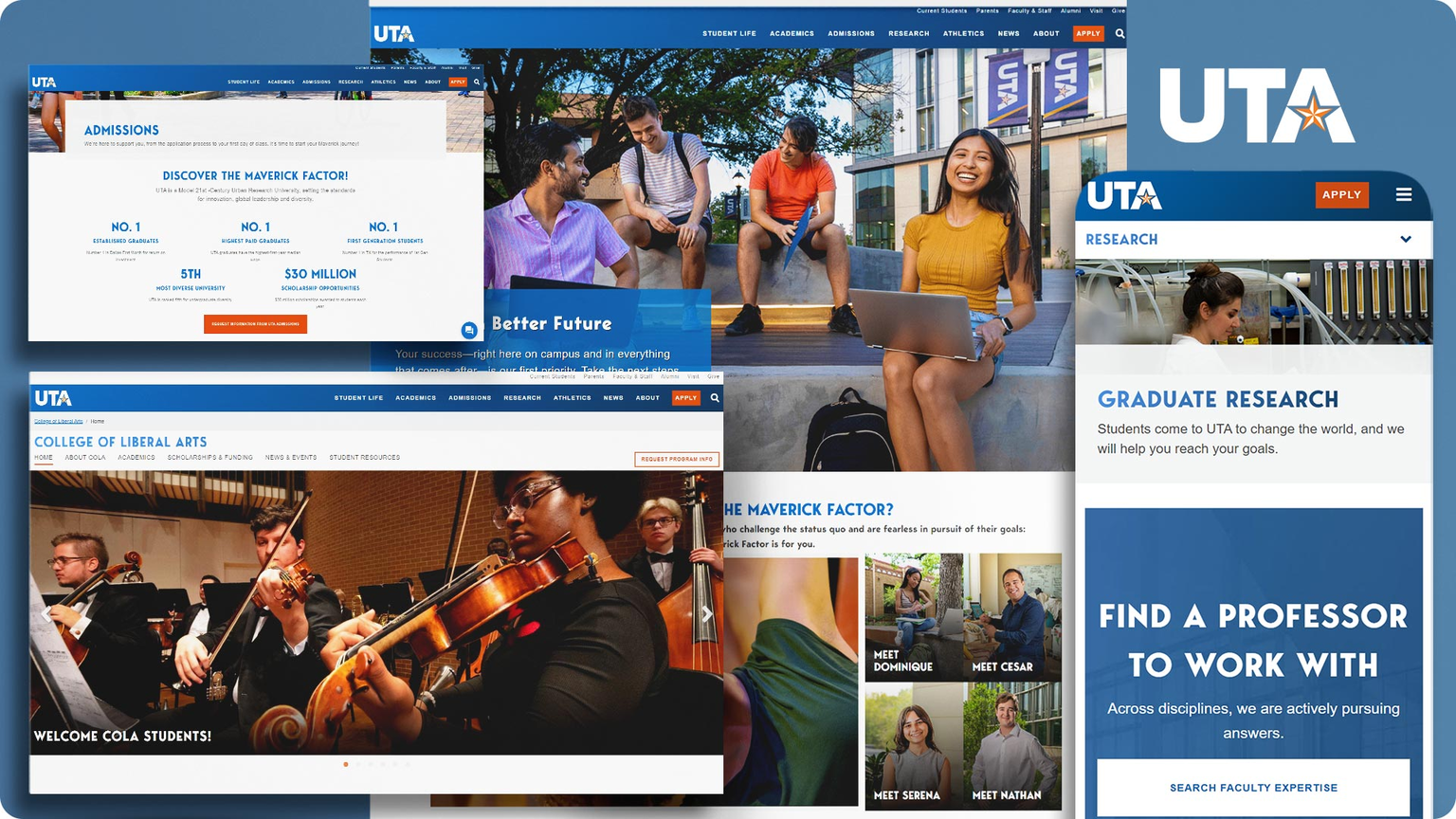
See every education case study →Global work from our education practice, labelled by region: a University of Texas campus in the USA put faculty data into one repository, cutting compliance issues 34%.
Open the university platform case →Eight education practice areas under one roof, from K-12 schools to corporate training, standing behind every Singapore engagement.
Explore the global education practice →/ In their words
Brainvire demonstrated reliability, a commitment to delivery, and helped us maintain momentum on critical roadmap items.
/ On the record

Brainvire configured our system with minimal customisations and delivered in a very short timeframe, saving us time and cost.


Brainvire has been invaluable, on budget and very responsive. They’d bend over backwards to help us in every way they can.

Brainvire has helped our business grow, it feels like a true partnership. Seven great years, and we’re looking forward to more.

We’ve worked with Brainvire for six years. They’re task-oriented and great at turning projects around in an expedited fashion.

Brainvire built a really good plan for my business, brought consistency, and took a lot off my hands. I can’t say enough good things.

Brainvire is a real partner, very different from other outsourcing companies. They’ve mastered communication and delivery.

The Brainvire team has lived up to every commitment. They gave us a part-naming convention that lets us configure our product line.

Brainvire’s response is always fast, and their delivery has been quick and elevating. I really recommend their services.
/ Recognition
 2025
The Americas' Fastest-Growing Companies
 2025
Fastest-growing private companies in America
 2024
North America's fastest-growing tech companies
 2024
Top B2B service provider, global rankings
/ Delivery, in this market
Where your training data sits, how content is localised per market, which systems the LMS connects to, and who runs it afterwards.
The content audit and platform recommendation are argued over with your team on Singapore time, anchored from our Singapore office, before any licence is bought or line of code written.
On the Kajima rollout, all training data is hosted on the client’s own systems, with strict data isolation and access only for authorised personnel. The same posture is available to your compliance team, with Singapore-region cloud hosting where preferred.
Student and staff data stays in a hosting region you approve, with retention and access controls documented for PDPA.
The multiregional model publishes localised content per country, the approach configured for Kajima across Singapore, China, Thailand, Malaysia, Indonesia, the Philippines, India and Myanmar, so regional teams train in context and administrators keep one dashboard.
An LMS earns its keep connected: to HR and ERP through our Singapore Odoo practice, to learners through mobile app development, and to decision-makers through AI and analytics that show what training changed.
/ Frequently asked questions
Buy or configure when standard training flows fit; build when the learning experience is your product. A configured platform, Odoo eLearning, carried Kajima Overseas Asia across eight countries, while a custom build carried an edtech platform to 100,000+ users and 20,000+ courses. Scoping starts with your courses, roles and compliance evidence, and the recommendation is priced both ways so the decision stays yours.
Yes. Open-source platforms sit in the platform-selection call alongside Odoo eLearning and a custom build. Where licence cost matters more than custom behaviour, we theme, extend and integrate an open-source LMS rather than engineering from scratch, and we say plainly when that is the better-value route.
Yes. Courses are packaged to SCORM or xAPI so content you already own runs in the new platform and reports attempts, scores and completion correctly. Standards also protect you commercially: compliant content moves with you if you ever change platforms.
One central platform publishes localised content per market rather than running separate systems per country. That is the model configured for Kajima Overseas Asia: a single LMS publishing localised content for Singapore, China, Thailand, Malaysia, Indonesia, the Philippines, India and Myanmar, with a centralised dashboard so administrators manage users, courses, progress and reports from one place.
A configured platform is measured in weeks; a custom build is measured in months. The honest number comes out of a content audit: how many courses exist, how many must be authored, how many systems the LMS must connect to, and how many markets need localised content. Scoping puts a date against each of those before you commit to anything.
Our regional Singapore record is corporate learning and development. School, university and exam-platform work sits in our global education practice, including a paperless school portal managing 20,000+ students and an assessment platform that has administered 850 million examinations. Every reference we show names its region.
A learning management system (LMS) is a software platform that delivers courses, tracks learner progress and keeps training records in one place. Administrators assign courses and learning paths. Staff and students work through materials, quizzes and assignments, and reports show who completed what. Everything from authoring to certification runs on the same system.
Start from your business needs and learning requirements, not a feature list. We map training needs by role and market, then check which systems the platform must connect to, such as HR, ERP and student information systems. We also test whether it is easy to use for administrators and learners. Cost effectiveness is judged over the life of the platform, with setup, licensing, hosting and support included, across Odoo eLearning, open-source LMS platforms and a custom build.
Yes. Compliance training is assigned by role, with time-bound access windows, course-wise tests and certificates that verify completion. Every learner sits the same content against the same assessment standard. Dashboards show where compliance gaps sit, so the audit report comes straight from the system. That matters most in regulated industries such as finance and healthcare. The same setup handles wider staff training, from onboarding to product updates.
Yes. We build iOS and Android learning apps with offline access and low-bandwidth streaming, proven on a 100,000-user eLearning platform. Mobile learning suits a workforce spread across locations, and learners pick up where they left off on phone, tablet or desktop.
AI earns its place once the content library is large enough. Typical uses are content recommendations based on role and progress, analysis of completion and assessment data to spot trends, and early flags on learners whose performance is slipping. Human review stays where the stakes need it, such as exam marking and certification.
Yes. An LMS supports the shift to blended and self-paced learning environments. Teaching staff publish materials and assignments online, track progress and grades for each class through the term, and run live sessions in the room or over video. Our global education practice built a paperless school portal managing 20,000+ students.
Yes. Courses, training materials, learner records and certificates move off a legacy platform with their history carried forward. The content audit lists everything that has to move before migration starts, and the new platform stays under support after launch.
It moves staff training off scattered files and onto one tracked platform. Courses reach people in all your locations at once. Learning needs are mapped by role and industry, so a group spanning several industries still runs one platform. Skills gap analysis shows where each team needs training next. Progress tracking replaces manual completion reports, so training becomes part of performance and compliance reviews. Moving training online can also cut printing and venue costs.
The usual ones are low adoption when a platform is hard to use, messy data in legacy systems, and content never built for online delivery. Each is handled in scoping. A pilot cohort tests usability, the content audit covers data quality and course design, and every integration is listed before the build starts.
Yes. Where learning is the product, we engineer course listings, checkout, delivery and learner tools as one platform. That is a wider range of capabilities than a standard LMS, built around learning experiences people pay for. Your team brings the subject expertise and the product innovation, and we bring the engineering.
An LMS is usually one part of a wider digital transformation. HR, ERP and the LMS share people and role data, so course access and reporting follow the systems you already run. Our Singapore Odoo practice connects the LMS to those systems as part of the build.
The Training Partners Gateway (TPGateway) states that training providers funded by SkillsFuture Singapore (SSG) need a training management system (TMS) linked to the SSG system, with exceptions such as companies that train only their own employees in-house. Providers with their own systems can connect to TPGateway through an API. If your courses draw SSG funding, we scope that link alongside the LMS so course and learner records stay in step.
The Personal Data Protection Act (PDPA) in Singapore is overseen by the Personal Data Protection Commission. Learner data sits in a hosting region you approve, and retention and access controls are documented so your data protection officer can review them. On the Kajima rollout, training data is hosted on systems the client owns, with strict data isolation.
/ Next step
Thirty minutes on Singapore time, and you leave with a one-page scope: the platform call, the integration list, the localisation plan and a timeline your board can hold us to.
Get your LMS build scoped →Cookies on this site
Essential cookies are always on. They keep the site secure and make forms work.
We also use Google Analytics and Microsoft Clarity to see how the site is used. We only turn these on if you accept.