/ Enterprise mobility & field-force apps · Built from Singapore
Enterprise mobility wired into the ERP you already run.
Field-force, branch and customer apps writing straight back into Odoo, POS and your order systems, so device data is ledger data.
/ AI in the field
AI that works where the signal does not.
A field device is offline, one-handed and interrupted constantly. These are the AI capabilities we fit into mobility builds so they still work under those conditions.
AI-assisted routing & dispatch
Jobs, deliveries and call requests get assigned to the field worker who can actually reach them next, not just the next name on a list.
Computer-vision data capture
Barcode, document and proof-of-delivery scans are read and validated on-device, cutting the re-keying that a paper or photo workflow leaves behind.
Offline-first, AI-reconciled sync
Field apps keep working with no signal, then AI-assisted conflict resolution reconciles records the moment connectivity returns.
Anomaly detection on device fleets
Unusual device, location or transaction behaviour gets flagged automatically across an MDM-managed fleet, before it becomes a loss.
Predictive maintenance signals
Usage and sensor data from field assets and devices feed models that flag a failure before a truck roll is needed.
Natural-language field reporting
A field worker speaks or types a short note; AI turns it into structured data against the job, asset or ticket it belongs to.




Brands whose storefronts Brainvire engineers and runs












/ Global proof, reviewed on Singapore hours
Enterprise mobility outcomes, on the record.
Regional programmes first; global work from the same bench follows.
Puma Energy Loyalty App
Loyalty app adding 13,000+ new users a month across 12 countries.
Read the case →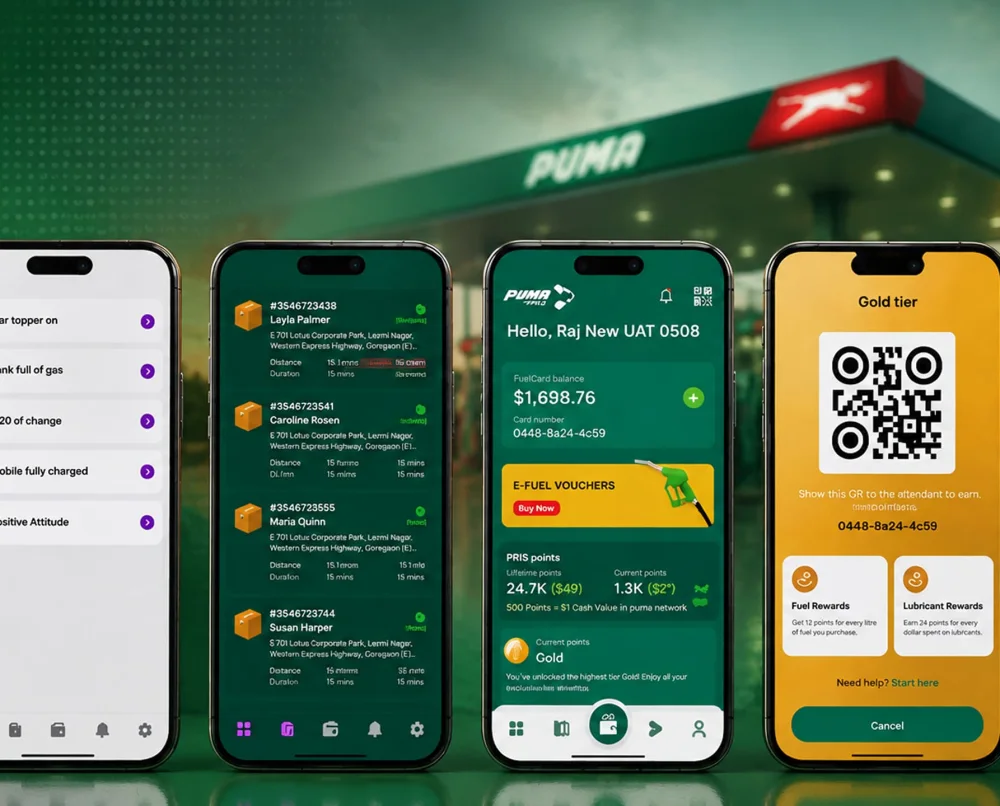
Puma Energy
Odoo 18 ERP and POS rolled out across 12 countries for a Singapore-headquartered energy group.
Read the case →
UVJC
Accounting, Manufacturing, Sales, HR and Payroll consolidated on one Odoo 19 Enterprise platform.
Read the case →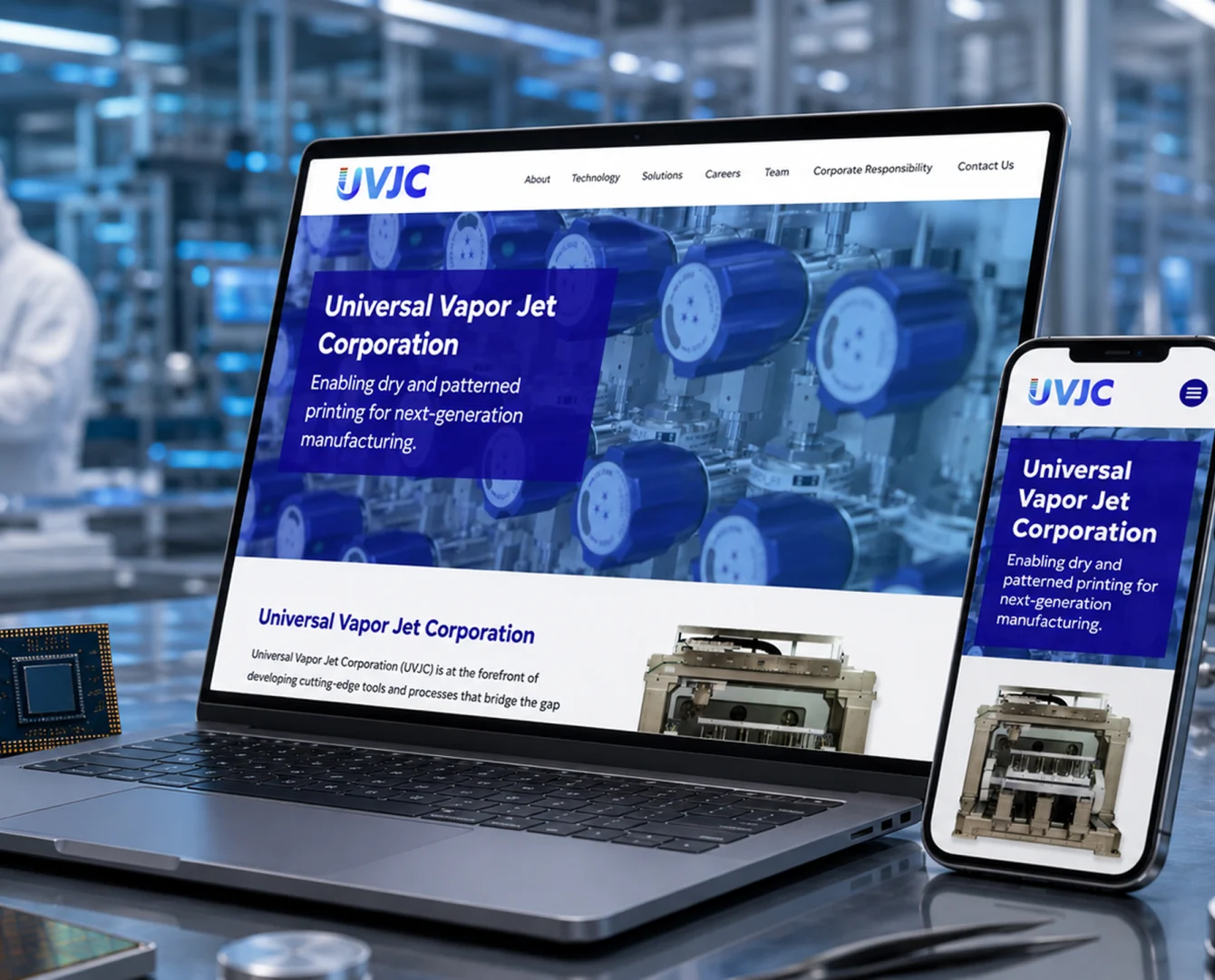
Bay Alarm Medical
We replaced the medical alert provider’s Magento cart with Odoo commerce and moved them from Odoo 13 to Odoo 16, so storefront and back office run on one platform.
Read the case →
/ What we build
Enterprise app development services for field teams.
Six practices behind one accountable Singapore engagement, each wired to the backend it must report back to. We build the mobility layer, not just an app. Every card links to the Singapore practice that carries it.
Field-force apps
iOS, Android and cross-platform apps for field managers, drivers and technicians, the pattern behind the ATM and logistics cases below.
AI-assisted routing & dispatch iOS · Android · Flutter /02ERP-connected mobility
A mobile layer wired straight into the ERP that already runs operations, as built for the cash-in-transit provider below.
AI-reconciled offline sync Odoo Gold Partner /03Device management and data security
MDM and BYOD policy across a field device fleet, so a lost or stolen phone is a policy event, not an incident.
Anomaly detection on device fleets MDM & BYOD practice /04Offline-first sync
Apps that keep working with no signal and reconcile cleanly the moment connectivity returns, built for real field conditions.
AI-assisted conflict resolution AI & ML practice /05Scanning & capture
Barcode, document and proof-of-delivery capture on-device, the practice behind the barcode scanning in the logistics build below.
Computer-vision data capture Mobile apps practice /06Field analytics
Power BI dashboards that turn field activity, from call requests to deliveries, into a manager's real-time view.
AI-assisted insight surfacing Power BI & the Microsoft stack/ Enterprise app development, Singapore
Our development process, from brief to live rollout.
One named owner end to end, a demo at every stage, and review slots that sit inside your own working day.
Discovery & Architecture
The field workflow and the backend it must connect to are audited in Singapore-hours workshops before any device or platform is chosen.
Design & Build
The app takes shape integration-first and offline-safe, and you watch it grow demo by demo.
Integrate & Launch
ERP, CRM, device management and payments are wired in, then launch runs with a rollback path and monitoring live.
Optimise & Grow
After launch, device coverage, sync reliability and AI work continues on a visible roadmap, so field adoption keeps climbing.
/ How we see mobility here
A mobile app is not the project. The connection is.
A field app that keeps its own copy of the record just moves the reconciliation problem into someone's pocket. We scope the ERP or CMS connection first, in workshops at our Singapore office (+65 9086 0319), with 1,000+ engineers across 10+ offices behind the room.
Mobility wired to the system of record
For a cash-in-transit provider we built the mobility layer straight onto a .NET Core ERP, so cash movements, collections and deposits are tracked in one place, not two.
Field managers, not head office, drive the design
An ATM service provider's field engineers now carry call requests, client data and a dynamic payout feature on the device they already use, because the app was built around their day, not a head-office workflow.
Offline is the normal case, not the exception
A pan-India logistics operation moves through rail, road and air with patchy connectivity by design. Barcode scanning and order tracking were built to work at the edge, not just in a demo on office WiFi.
Device data, offline caches and access controls documented for PDPA; support on SGT hours.
Where the work ran
The loyalty app and Odoo rollout at the top of this page serve a Singapore-headquartered energy group across 12 countries. The cash-in-transit and logistics builds in this section ran in India, as their own case studies state.
/ Client voices
The reviews are the retention rate, explained.
Brainvire demonstrated reliability, a commitment to delivery, and helped us maintain momentum on critical roadmap items.
/ On the record
Brainvire’s work on our three web portals and two mobile applications was impressive. They tailored the solutions to our retail needs, significantly enhancing customer engagement. The team’s dedication and technical prowess made the entire experience enjoyable.

Brainvire configured our system with minimal customisations, completing the project in a very short timeframe, saving time and cost and cutting manual workload by over 90%.
Their team streamlined our clothing business by implementing middleware that automated several processes. Their seamless integration of systems has significantly improved efficiency, and we’ve seen incredible results in our overall operations.

Significant improvements in code quality and usability, the product no longer crashes and has fewer bugs. Their transparency and commitment to timelines added real value.
Not only have they delivered what they said they would as per the timeline, but they are easy to communicate with. The project success allowed their team to create more versions of the solution and add more features.
/ Recognition
The record, kept by independents.
 2026
Clutch
Top eCommerce Developers
 2025
Financial Times
The Americas’ Fastest-Growing Companies
 2025
Inc. Regionals
Fastest-growing private companies in America
 2024
Deloitte Technology Fast 500
North America’s fastest-growing tech companies
/ Frequently asked questions
Enterprise mobility, Singapore: answers.
Which enterprise mobility work can we see?
Start with the first two cards on this page: a loyalty app and an Odoo 18 ERP and POS rollout across 12 countries for a Singapore-headquartered energy group. The field-mobility builds in the section above, for a cash-in-transit provider, an ATM service provider and a logistics company with a pan-India presence, show the same pattern of field apps wired to the system of record. The rest of our portfolio is in our case studies. The team and Singapore-hours delivery from our Singapore office are the same for every build.
Should we go BYOD or issue managed devices?
It depends on what the app touches. A field app that only views data can often run BYOD under an MDM policy; one that handles cash, payouts or regulated data, like the cash-in-transit and ATM cases on this page, usually justifies a managed device. Under BYOD, MDM keeps company data in a managed space on the device, separate from personal data. We scope this in the first workshop against your actual data, not a default answer.
What happens when a field worker has no signal?
The app keeps working. The logistics case on this page tracks bookings, barcodes and deliveries across rail, road and air, where connectivity is patchy by design, and reconciles automatically once a connection returns, rather than blocking the worker until it does.
Can you connect a field app to the ERP or CMS we already run?
Yes, and that connection is usually the actual project. For the cash-in-transit provider on this page, the mobility layer was built directly onto a .NET Core ERP so cash movements are tracked in one system, not duplicated into an app that keeps its own copy.
How do you keep data secure across a fleet of field devices?
Through MDM and BYOD policy scoped to what each role's device can touch, plus anomaly detection across the fleet so unusual device or location behaviour gets flagged rather than discovered after the fact. We scope multi-factor authentication and data encryption for mobile access, and MDM lets the team configure devices remotely or wipe a lost one. PDPA-consistent data handling is scoped into the same workshop.
How long does a field-force mobility rollout take?
A single-role app wired to one backend system, like the ATM field-manager case on this page, is typically measured in weeks to a few months. Multi-role rollouts with offline sync and device management, like the logistics case, run longer because the backend integration and edge-case testing set the pace, not the interface.
What is enterprise mobility?
Enterprise mobility is the practice of giving employees secure access to company data, apps and workflows on mobile devices, so work gets done outside the office, from field jobs to leave requests and expense claims. It covers field-force apps, device management and the connection back to enterprise systems such as the ERP or CRM. For most businesses, data security and the connection to existing systems are the hard parts, not the app. It is often the first visible step of a wider digital transformation.
What is enterprise app development?
Enterprise app development means building software for the staff, partners or customers of an organization, wired into the systems that run the business. Enterprises need roles, permissions and audit trails that a consumer app rarely needs. The app also has to keep business processes consistent with the ERP. We design and build each one as an iOS, Android or cross-platform mobile application.
How should we compare app development companies?
Shortlist mobile app development companies that can show the backend their apps write back to, not only the screens. Then ask each mobile app development company in Singapore which app developers will do the work, who manages the project day to day, how the development process runs, and who owns the code after launch. Favor a custom solution over a template when your workflows are specific to your business. The best test is a short demo against your own data.
How much does enterprise app development cost?
It depends on the number of user roles, the systems the app must connect to, offline needs, device management and your scalability requirements as usage grows. A single-role app on one backend costs far less than a multi-role rollout with offline sync. We give you a scoped estimate as a first step, after a consultation and before any build starts.
Do you design the user experience as well?
Yes. UI/UX design is part of our mobile app development services, because a field app is used one-handed, outdoors and between jobs. We shape the user experience around the people who will carry the device, in real-world conditions, so the app fits their day rather than a head-office workflow. A good user experience decides whether field staff keep using the app after launch.
Can a government grant fund our mobility project?
It may, if your company and the project qualify. Enterprise Singapore says its Enterprise Development Grant (EDG) ceased on 29 September 2026. EDG supported up to 50% of eligible costs for local SMEs. From 30 September onwards, business grant support is applied for under the EDGE Grant, which is for Singapore companies starting new projects to upgrade capabilities, improve efficiency and expand overseas. Your company makes the application. We scope the project and write up the work plan and costs it describes.
How does mobility improve business operations?
Field staff record work once, on the device, and the ERP sees it in real time. That removes re-keying, gives managers live data for decision-making and frees office teams from reconciling paper. The cost efficiency comes from fewer errors and less duplicate entry. We agree on the measures of impact that match your business objectives at the start.
Can mobility apps open new revenue streams?
They can, when the app faces customers. The loyalty work on this page adds loyalty, e-wallet and voucher features at the point of sale for a Singapore-headquartered energy group. Field-force apps usually pay back through productivity instead.
Do you support the app after launch?
Yes. After launch, device coverage, sync reliability and AI features keep improving on a visible roadmap, as in the fourth delivery stage above. Support runs on Singapore hours, and the roadmap is reviewed with you so growth in field adoption shows up in the numbers.
/ Next step
Put thirty minutes on your mobility stack.
Ready to build your mobility layer? One working session with a Brainvire mobility architect: the backend it must connect to, the devices in the field, and where AI earns back first. No sales deck, no follow-up sequence.
Scope your mobility rollout →