MongoDB
Schema design, indexing, sharding, and Atlas for flexible, scalable data.
Schema & data designOne page from a senior architect, within two business days. The single highest-payback AI move in your Odoo, Adobe or custom stack, and the two things to leave alone. Yours to keep.
One page from a senior architect in two business days: your highest-payback AI move, and what to leave alone.
/ MEAN stack development for Singapore
One JavaScript bench writes the MongoDB schema, Express API, Angular front end and Node services, so nothing is lost between vendors. Scoped and reviewed from our Singapore office; repository, tests and pipeline are yours.
/ Applied MEAN stack
Database, API, front end and real-time layer, built as one JavaScript codebase instead of stitched from separate frameworks, so one team owns the whole build.
MongoDB, Express, Angular and Node.js under one team, so the database schema, the API and the screen stay in sync instead of being handed between three vendors.
WebSockets and Socket.IO stream live data into dashboards, tracking screens and chat, for products that need to feel instant rather than refreshed.
Microservices, load balancing and caching keep a MEAN app responsive as concurrent users climb, instead of buckling at the first traffic spike.
REST and GraphQL APIs connect a MEAN app to the CRM, ERP and payment systems your business already depends on.
Ageing PHP or .NET applications replatformed onto MongoDB, Express, Angular and Node, cleanly and with parity testing at every step.
Copilots that write and review Angular and Node code, plus AI features built into the app itself on your own data.
Trusted by 2,000+ brands across Singapore, APAC and beyond












/ Global proof, reviewed on Singapore hours
Regional programmes first; global work from the same bench follows.
One unified web platform, with a 34% drop in compliance issues.
Read the case →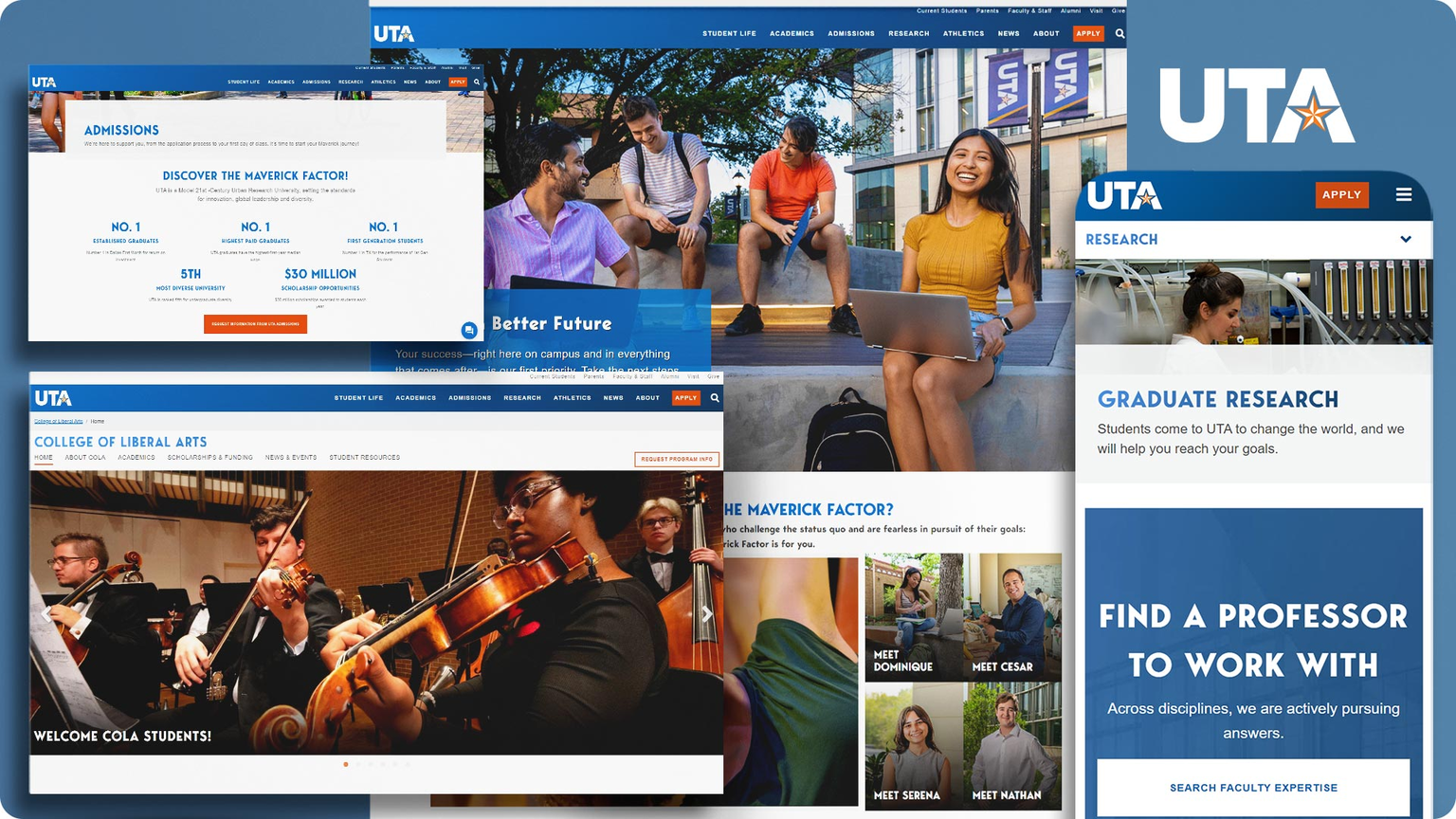
Loyalty app adding 13,000+ new users a month across 12 countries.
Read the case →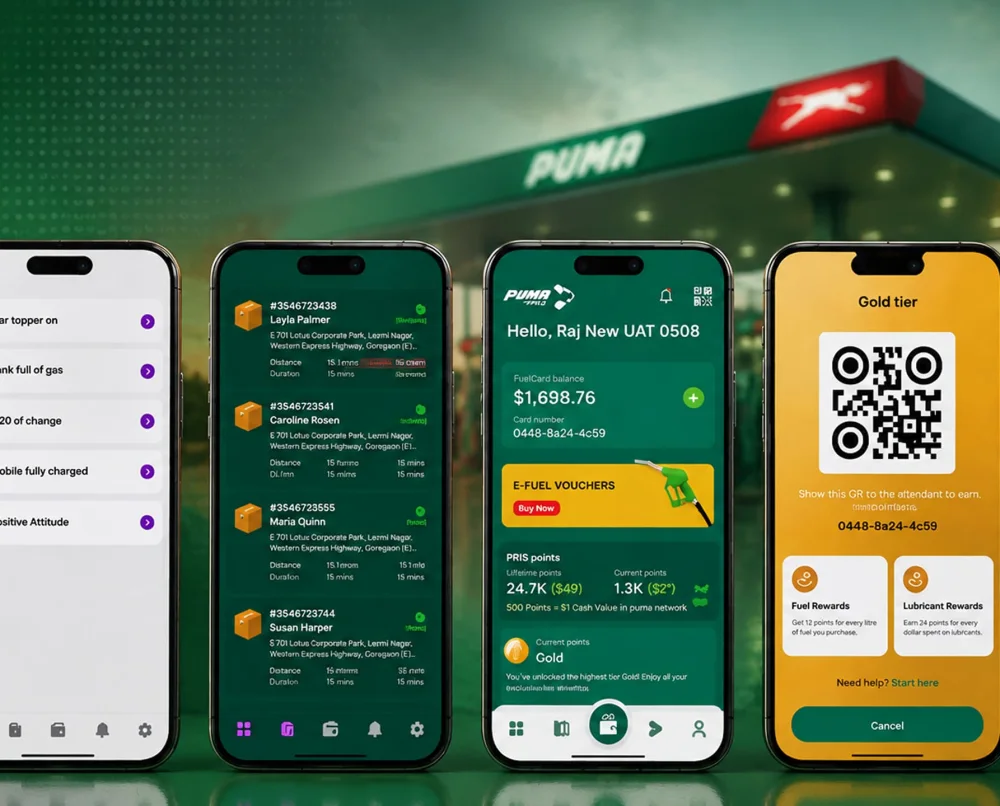
High-traffic airline services website redesign.
Read the case →
Our published MEAN stack builds, and the deeper JavaScript engineering record behind them, are documented in the wider Brainvire case library rather than summarised here.
/ What we build
One accountable team covers every layer of a Singapore MEAN rollout: database, API, front end and the real-time layer between them.
Schema design, indexing, sharding, and Atlas for flexible, scalable data.
Schema & data designREST and GraphQL services and middleware that hold up under load.
APIs that hold up under loadSingle-page apps, PWAs, and component libraries with clean data binding.
Clean, tested UI codeHigh-concurrency, event-driven backends built for throughput.
Built for concurrencyWebSockets, Socket.IO, and live data for chat, tracking, and dashboards.
Live, not refreshedMicroservices, load balancing, and caching for horizontal scale.
Ready to growThird-party sync, event buses, and middleware that automate the hand-offs.
Wired into your systemsReplatform legacy apps onto one JavaScript stack, cleanly and safely.
Off legacy, onto MEAN/ How we deliver
Schema to screen on a predictable path: a named owner, a working build at every stage, ceremonies on Singapore time.
Map the data model, the API surface and the screens with your Singapore stakeholders, and decide where MongoDB, Express, Angular and Node each carry the load before any code is written.
Express and Node services take shape against a MongoDB schema built for the access patterns your product actually uses, reviewed in working sessions on Singapore hours.
The Angular front end lands against the working API, wired into the CRM, ERP or payment systems the build needs to talk to.
Production launch comes with load testing and a scaling plan, so the app that worked in a demo keeps working under real concurrent traffic.
/ The MEAN stack, layer by layer
Four layers, one JavaScript language throughout, with AI woven into the build and the pipeline rather than sold as a bolt-on.
Schema design, indexing, sharding and Atlas hosting for data that stays flexible as the product changes shape.
REST and GraphQL APIs and middleware that hold up under production load, on the same language as the rest of the stack.
Single-page apps, progressive web apps and component libraries with clean data binding back to the API.
High-concurrency, event-driven backend services built for throughput, deployed alongside the API layer they serve.
WebSockets and Socket.IO for chat, tracking and live dashboards that update as events happen, not on a page refresh.
Copilots that write and review Angular and Node code, plus AI features, such as search and recommendations, built into the app on your own data.
/ Accelerators
Scaffolding and patterns from prior MEAN programmes come packaged, so the riskiest step of a Singapore build starts most of the way done.
A production MEAN starter with auth, APIs, Angular scaffolding and CI already wired on day one, so a new build starts past the boilerplate.
WebSocket and streaming infrastructure for chat, tracking or live dashboards, wired in as a feature rather than built as a separate project.
/ Industries
The same real-time, high-concurrency foundations behind chat, tracking and live dashboards, applied to the industries that drive the Singapore economy.
The busiest lane of our Singapore work: unified inventory, AI merchandising and storefronts that learn from every order.
Explore Retail & eCommerce engagements →Dealer commerce, VIN and fitment catalogues, and service platforms connected to live inventory across every outlet.
Explore Automotive engagements →Providers, clinics and pharmacies run on privacy-conscious patient platforms, operational AI and connected systems.
Explore Healthcare engagements →Lending, payments and decision platforms engineered to the audit, uptime and governance bar a regulated financial centre sets.
Explore Finance & Fintech engagements →Commerce and ERP for jewellers that understand carat, cut and certification, spanning catalogue, inventory and hallmarking.
Explore Diamond & Jewelry engagements →Institutions and edtech firms get learning platforms, enrolment systems and AI tutoring, alongside our centralised APAC LMS work.
Explore Education engagements →Audience analytics, subscription commerce and content platforms that convert viewers into recurring revenue.
Explore Media engagements →Developers and brokerages in a dense urban market get PropTech platforms, connected CRM and ERP, and AI valuation models.
Explore Real Estate engagements →Built for a port-anchored trading hub: route intelligence, warehouse automation and shipment visibility on one spine.
Explore Logistics engagements →/ In their words
Brainvire demonstrated reliability, a commitment to delivery, and helped us maintain momentum on critical roadmap items.
/ On the record

Brainvire configured our system with minimal customisations and delivered in a very short timeframe, saving us time and cost.


Brainvire has been invaluable, on budget and very responsive. They’d bend over backwards to help us in every way they can.

Brainvire has helped our business grow, it feels like a true partnership. Seven great years, and we’re looking forward to more.

We’ve worked with Brainvire for six years. They’re task-oriented and great at turning projects around in an expedited fashion.

Brainvire built a really good plan for my business, brought consistency, and took a lot off my hands. I can’t say enough good things.

Brainvire is a real partner, very different from other outsourcing companies. They’ve mastered communication and delivery.

The Brainvire team has lived up to every commitment. They gave us a part-naming convention that lets us configure our product line.

Brainvire’s response is always fast, and their delivery has been quick and elevating. I really recommend their services.
/ Recognition
 2025
The Americas' Fastest-Growing Companies
 2025
Fastest-growing private companies in America
 2024
North America's fastest-growing tech companies
 2024
Top B2B service provider, global rankings
/ MEAN stack, in this market
Where your data lives, what a Singapore review looks like, and who you hand the build to when it ships.
Schema, API and scaling decisions are argued over with your team at our Singapore office before the build starts, not summarised afterwards.
MongoDB Atlas and Node services can run in the Singapore region of AWS, Azure or Google Cloud, with the architecture note stating exactly where each service sits.
Wherever a MEAN app stores customer data, the lawful basis for each field and its retention period are agreed with you during discovery, not left as a platform default.
Delivery pairs with our mobile and web app practice and our data and AI practice, then the codebase, tests and runbooks transfer to your team with a support window agreed upfront.
/ Questions, answered
Yes. Delivery leadership for this market sits at our Singapore office, backed by 1,000+ engineers across 10+ global offices who work in MongoDB, Express, Angular and Node.
Not yet on this exact discipline. Our documented Singapore work is Odoo, Magento, Adobe Commerce and Power BI. The MEAN-stack builds shown on this page are global: a portable point-of-sale app for an Australian payments firm, and a dynamic forms platform for a community organisation. If a named Singapore MEAN-stack engagement matters to your evaluation, ask us directly and we will tell you plainly where we stand.
MEAN is MongoDB, Express, Angular and Node.js: one JavaScript language from the database to the browser. One language across the stack means one team can own a build end to end, which tends to mean fewer handoffs than a build split across separate backend and frontend frameworks.
Yes. Legacy PHP or .NET applications can be replatformed onto MongoDB, Express, Angular and Node with parity testing at every step, so the migration does not quietly drop a feature the business depends on.
It is one of the reasons teams pick it. Node’s event-driven model and WebSockets or Socket.IO make live chat, tracking and streaming dashboards a natural fit, rather than something bolted on afterwards.
Yes. MongoDB Atlas and Node services can be hosted in the Singapore region of AWS, Azure or Google Cloud where data residency matters, and the architecture note states exactly where each service runs. Hosting region, access controls and logging agreed at architecture stage and documented for PDPA.
/ Next step
Thirty minutes with a Brainvire architect on Singapore time, and you leave with a clear view of what a MongoDB, Express, Angular and Node build costs and how long it takes.
Scope your MEAN stack build →Cookies on this site
Essential cookies are always on. They keep the site secure and make forms work.
We also use Google Analytics and Microsoft Clarity to see how the site is used. We only turn these on if you accept.