Transform Your Aluminum & Steel Manufacturing with Odoo ERP
-

Hiren Raval
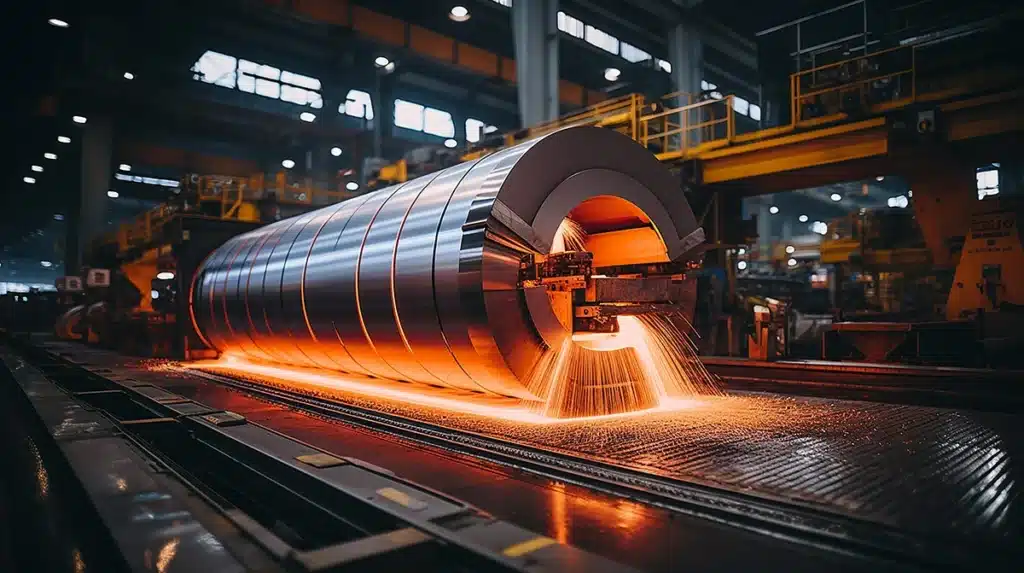
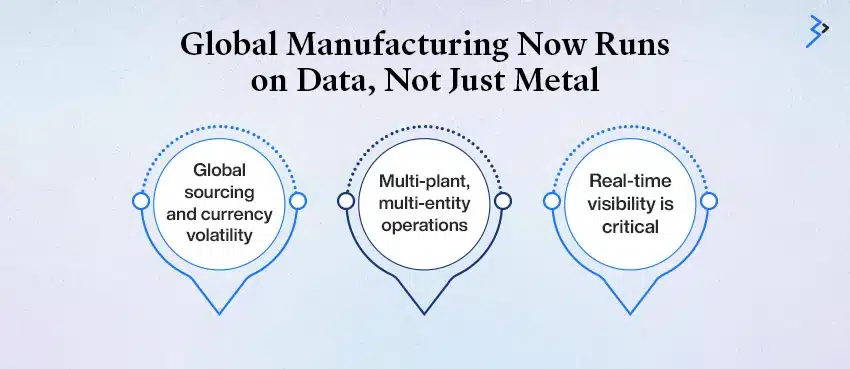
Aluminum and steel manufacturing now depends on managing operational complexity, financial volatility, and global expansion, not just production capacity or raw material access. With global sourcing, energy-intensive production, fluctuating commodity prices, and regulations, even small inefficiencies can significantly impact margins.
Growing across regions increases complexity: transactions use multiple currencies, plants act as separate entities, and leadership needs real-time insights. Legacy systems and disconnected tools block agility and profit.
Odoo ERP solves these challenges by unifying manufacturing, finance, and supply chain operations on a single platform. Its native multi-currency and multi-entity capabilities help manufacturers gain financial clarity, streamline processes, and grow confidently in global markets.
Industry Landscape: Why Transformation Is No Longer Optional
The metal sector is digitally transforming. World Metrics notes that 68% of metal companies have digital initiatives to improve efficiency and enable data-driven decision-making; 65% report better supply chain visibility from digital adoption, underscoring the value of integration.
Many aluminum and steel manufacturers still use fragmented ERP systems. Finance, production, procurement, and inventory often work separately. Teams have to reconcile data by hand and wait for delayed reporting. This lack of integration slows response and hides cost issues.
As margins tighten and competition intensifies, the ability to access real-time, consolidated data across operations is no longer a strategic advantage; it is a business necessity.
Key Operational Challenges in Aluminum & Steel Manufacturing
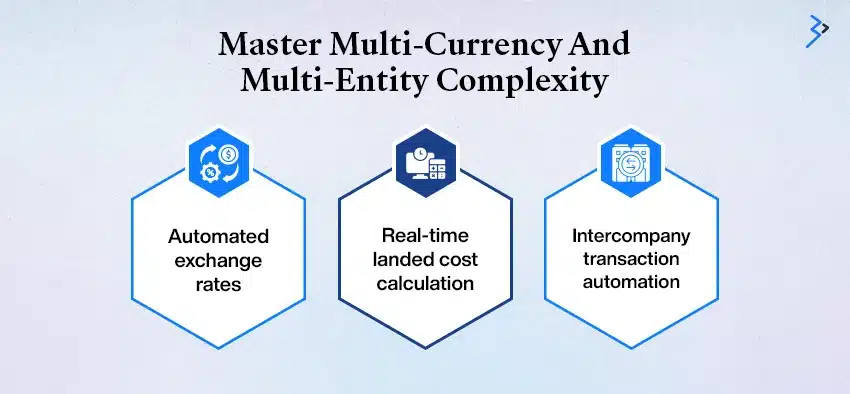
Multi-Currency Volatility
Aluminum and steel manufacturers frequently source raw materials from global suppliers, with purchases commonly denominated in USD or EUR. Finished goods, however, may be sold in local or regional currencies. This mismatch exposes organizations to currency volatility, directly affecting landed costs, pricing strategies, and profitability.
Without automated currency management, finance teams must manually track exchange rate fluctuations and reconcile transactions. This increases the risk of errors and delays accurate margin reporting.
Multi-Entity Complexity
As manufacturers scale, they often have multiple legal entities with different compliance, tax, and accounting needs. Managing this without a centralized ERP raises administrative workloads.
Intercompany transactions are complicated. Manual handling of these slows down the month-end close and makes it harder to produce consolidated financial reports.
Cost Control and Margin Pressure
Changing metal prices, higher energy costs, and labor-heavy processes squeeze margins. Accurate costing needs real-time data on materials, labor, and overhead. When data is scattered or slow, manufacturers can’t spot overruns or improve efficiency.
Legacy Systems and Data Silos
Many manufacturers still use old ERPs or stand-alone solutions. These systems create data silos, require more manual work, and limit access to current insights. Decision-makers end up reacting instead of planning.
[ Read More: Driving Operational Excellence with Odoo Automation for GOWell Petro ]
Why Odoo ERP Is Built for Metal Manufacturing
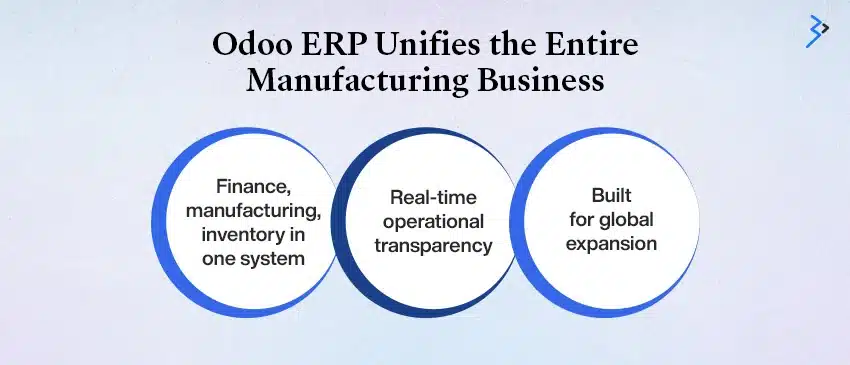
Odoo ERP provides a unified, modular platform engineered to address the complexities of the manufacturing sector. Its architecture stands out by offering prebuilt features, such as integrated manufacturing, financial, and inventory management workflows, that eliminate the need for heavy customizations commonly required by other ERP systems.
Odoo is specifically tailored to meet the operational realities of aluminum and steel manufacturers, delivering both the flexibility and industry focus that set it apart from traditional ERPs. Its integrated architecture connects finance, manufacturing, inventory, procurement, and quality management within a single system, ensuring data consistency and operational transparency.
Key strengths include:
- Native multi-currency and multi-company support
- Integrated manufacturing and accounting workflows
- Real-time dashboards and analytics
- Scalable, modular design suitable for global expansion
Streamlining Multi-Currency Operations with Odoo
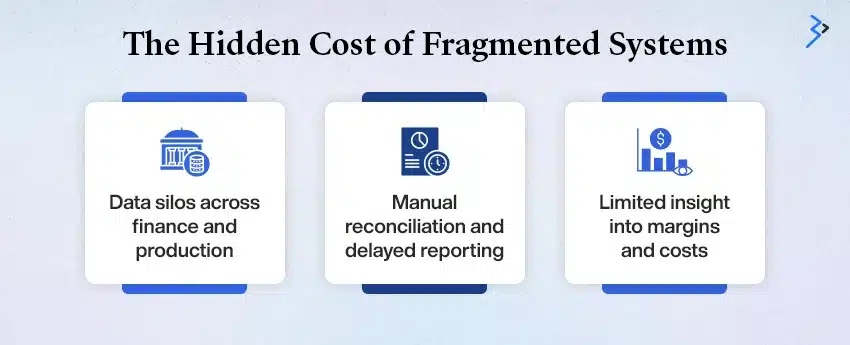
Odoo’s multi-currency framework automates currency management across purchasing, sales, and accounting. Exchange rates can be updated automatically, ensuring accurate valuation of transactions and inventory.
Manufacturers benefit from:
- Real-time currency conversion across transactions
- Accurate landed cost calculations, including freight and duties
- Automated tracking of realized and unrealized forex gains or losses
According to ERP industry research, organizations using integrated ERP systems report up to 23% lower operational costs, mainly due to reduced manual effort and improved financial accuracy.
Managing Multi-Entity Operations with Confidence
Odoo’s multi-company architecture allows multiple legal entities to operate within a single database while maintaining regulatory and financial separation. Each entity can have its own chart of accounts, tax rules, and reporting structure, while still sharing master data where required.
Intercompany workflows are automated, reducing administrative burden and improving accuracy. Consolidated reporting provides leadership teams with a unified view of organizational performance.
Business Impact of Multi-Entity Automation
| Area | Traditional ERP | Odoo ERP |
| Intercompany Transactions | Manual, error-prone | Automated workflows |
| Financial Consolidation | Time-consuming | Real-time visibility |
| Compliance Management | Entity-specific silos | Centralized governance |
Enhancing Manufacturing Operations
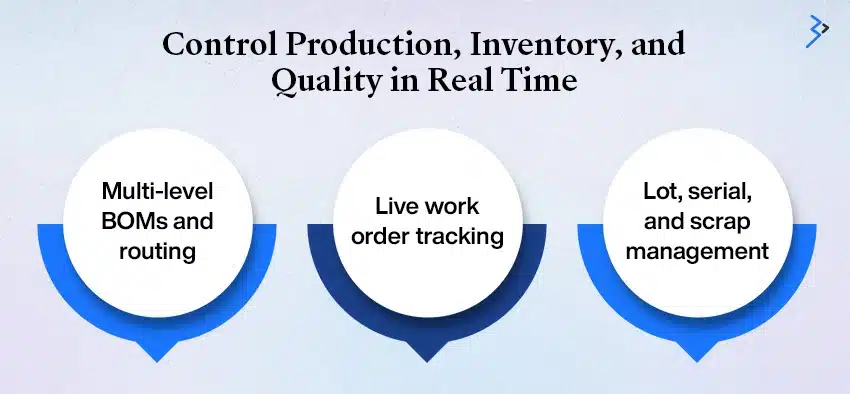
Manufacturing operations in the aluminum and steel industry are inherently complex, involving multiple production stages, heavy machinery, and strict quality requirements. Odoo’s Manufacturing module is designed to support these realities by providing end-to-end visibility into production workflows.
With multi-level Bills of Materials and routing, manufacturers define each process step. Capacity planning aligns machines, labor, and schedules to limit bottlenecks and downtime, vital in complex production lines.
Real-time work order tracking helps plant managers monitor production progress, material consumption, and labor utilization as activities occur. Deviations from planned output or material usage are immediately visible, enabling corrective action before costs escalate.
[ Read More: Brainvire Collaborates with Read Lighting Inc. to Modernize Business Operations with Odoo ERP ]
Inventory management is crucial due to the value of materials and goods. Odoo provides real-time stock visibility, lot and serial tracking for traceability, and tools for scrap and yield management to drive continuous improvement.
Together, these capabilities help manufacturers improve throughput, reduce waste, and maintain consistent product quality across plants and regions.
Financial Control, Costing, and Forecasting
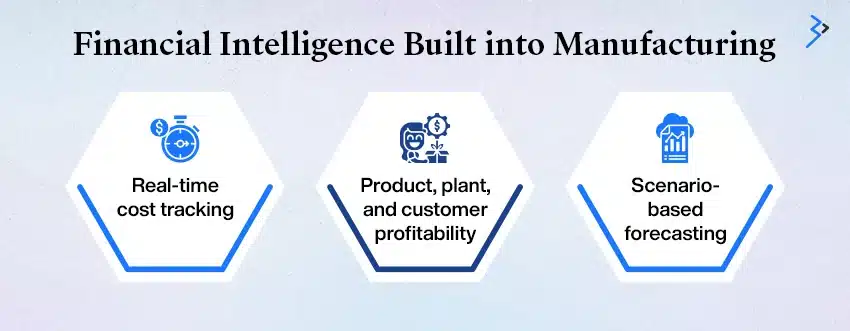
Odoo uses integrated accounting, unlike ERPs that rely on outside tools. Manufacturing and inventory transactions post directly to financial ledgers, so costs are continuously tracked in real time.
Manufacturers can analyze profitability across multiple dimensions:
- Product and product category
- Plant or production line
- Customer, region, or legal entity
Budgeting and forecasting tools allow finance teams to model scenarios based on currency fluctuations, raw material price changes, and demand variability.
Digital Transformation and ERP Adoption: Industry Statistics
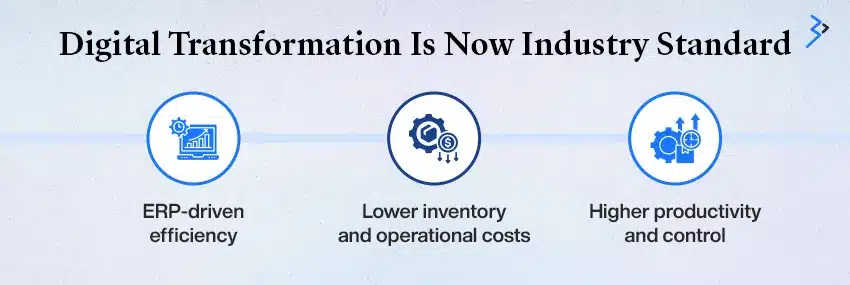
The shift toward ERP-led digital transformation is accelerating across the global manufacturing landscape, with metal manufacturers increasingly recognizing technology as a strategic enabler rather than a support function.
- According to Fluid Group, nearly 85% of manufacturers worldwide have initiated digital transformation programs, with ERP modernization ranking among the top priorities. The need for operational resilience primarily drives these initiatives, along with better demand forecasting and improved financial transparency.
- Research from Gitnux indicates that approximately 78% of steel manufacturers view digital transformation as critical to long-term sustainability, particularly in cost control, production efficiency, and regulatory compliance. As energy costs rise and environmental regulations tighten, the ability to track and optimize processes digitally is no longer optional.
- ERP adoption has also demonstrated measurable financial benefits. Studies summarized by Arion ERP show that manufacturers implementing modern ERP systems experience inventory cost reductions of up to 30%, driven by improved demand planning, reduced excess stock, and better coordination between procurement and production.
- Beyond cost savings, ERP systems contribute to productivity and workforce efficiency. Industry data suggests that approximately 74% of manufacturers report measurable productivity gains within the first year of ERP implementation, as employees spend less time on administrative tasks and more time on value-added activities. These gains are particularly significant in capital-intensive industries such as aluminum and steel manufacturing, where even minor efficiency improvements can translate into substantial financial impact.
Conclusion
In a global manufacturing environment defined by volatility and complexity, aluminum and steel manufacturers need ERP systems that deliver clarity, control, and scalability. Odoo ERP provides a unified platform that simplifies multi-currency transactions, streamlines multi-entity operations, and integrates manufacturing with financial intelligence.
When implemented with Brainvire’s domain expertise, Odoo becomes more than an ERP; it becomes a strategic foundation for operational excellence, cost optimization, and sustainable growth.Ready to modernize your aluminum or steel manufacturing operations? Partner with Brainvire to unlock the full potential of Odoo ERP.
FAQs
Odoo ERP is well-suited for aluminum and steel manufacturers because it combines manufacturing, inventory, procurement, and accounting within a single platform. Its ability to handle complex Bills of Materials, real-time cost tracking, and multi-plant operations helps manufacturers manage production complexity while maintaining financial accuracy and operational visibility.
Odoo ERP natively supports multi-currency transactions across purchasing, sales, and accounting. Exchange rates can be updated automatically, allowing manufacturers to record transactions in foreign currencies while maintaining accurate base-currency reporting. This improves margin visibility and simplifies tracking forex gains or losses.
Yes, Odoo ERP offers robust multi-company functionality that allows multiple legal entities to operate within a single database. Each entity can maintain its own accounting and compliance rules, while intercompany transactions such as sales, purchases, and eliminations are automated to simplify consolidation and reporting.
Odoo ERP provides real-time visibility into material consumption, labor costs, and overheads throughout the production lifecycle. Integrated accounting ensures manufacturing transactions automatically impact financial records, enabling accurate product costing, variance analysis, and early identification of cost overruns across plants and entities.
An experienced implementation partner like Brainvire ensures Odoo ERP is aligned with real-world manufacturing processes. From requirement analysis and system configuration to data migration and user training, Brainvire helps manufacturers achieve faster adoption, reduced risk, and measurable ROI from their ERP investment.

Related Articles
-
 Odoo 18 Highlights: Everything You Need to Know!
Odoo has always been a significant player in ERP (Enterprise Resource Planning) solutions, providing businesses a platform to manage their operations more effectively. With its Odoo 18 release, the ERP
-
Your Smart Guide to UAE Construction Cost Control with Odoo ERP
Construction projects in the UAE operate under intense pressure, tight timelines, fluctuating material costs, and increasing expectations for cost certainty. Yet even with detailed planning, budget overruns continue to erode
-
5 Ways an Integrated ERP System Will Transform Your Operations (And Why Odoo is Key)
In a world where every second counts, businesses run on data, but too often, that data is trapped in silos. Sales teams chase figures in one platform, finance works from