Native Swift iPhone app development
High-performance custom iOS apps built in Swift and SwiftUI, held to Apple’s platform standards.
On-device Core ML intelligence iOS Native Americas' Fastest-Growing 2025
One page from a senior architect, within two business days. The single highest-payback AI move in your Odoo, Adobe or custom stack, and the two things to leave alone. Yours to keep.
One page from a senior architect in two business days: your highest-payback AI move, and what to leave alone.
Brainvire is an iOS app development company engineering high-performance iOS applications in native Swift and SwiftUI: enterprise apps, wearables, and App Store launches, with on-device Core ML intelligence built in.
Trusted by product teams shipping on iOS












/ iOS, on the record
Every figure below comes from a documented iOS app development engagement. Every card is one client, on the record.
 Real Estate · iOS
2M+
App Store downloads for a realtor navigation app
A location-and-navigation iOS app for real-estate professionals passed two million App Store downloads, with 20,000+ locations pinned.
Read the case →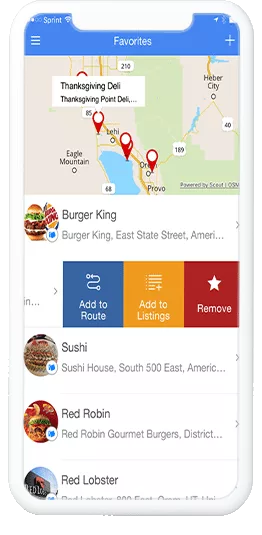 Healthcare · iOS
3M+
App downloads in a month since launch
A cross-platform iOS app that evaluates hearing ability with on-device AI crossed three million downloads in a month and a million consultations.
Read the case →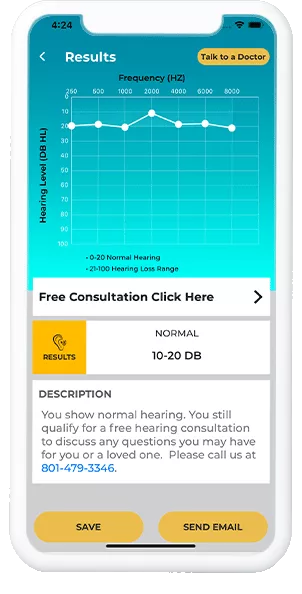 Enterprise · iOS
37%
Increase in ROI via a field-sales iOS app
A field-sales tracking iOS app improved rep accountability across 800+ distributors on six continents, driving a 37% increase in ROI.
Read the case → Healthcare · iOS
50k+
Orders managed by an AI on-demand pharmacy app
An AI-enabled on-demand pharmacy iOS app manages 50k+ orders across 700+ pharmacies and 5000+ delivery agents.
Read the case →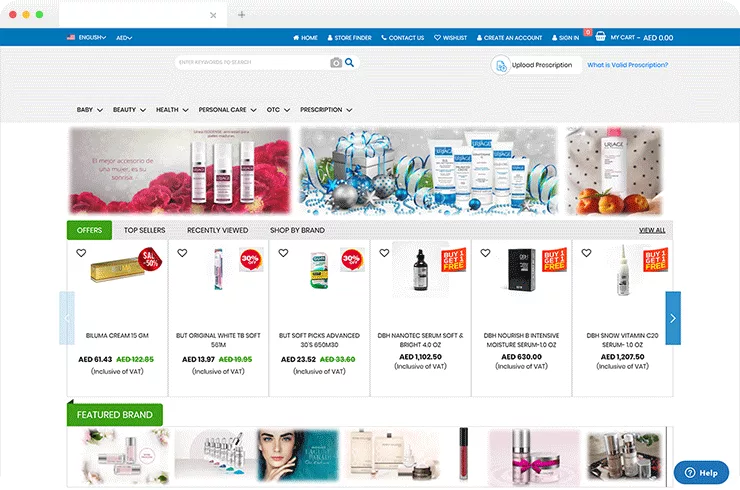
/ What we build
Eight iOS development services under one roof. Most iOS budgets don’t go wrong in Swift. They go wrong where the app meets the back office, the App Store reviewer or the next iOS release. We build for Apple first and treat every other platform as a separate decision. AI is built into each service, not sold as a bolt-on.
High-performance custom iOS apps built in Swift and SwiftUI, held to Apple’s platform standards.
On-device Core ML intelligence iOS NativeiPad apps and multi-device builds that maximize reach across the Apple ecosystem.
AI-adaptive layouts UniversalwatchOS and wearable experiences integrated with the core app.
On-device health intelligence watchOSSecure corporate apps with tight IT and MDM integration.
AI-assisted security hardening EnterpriseConversion-optimized interfaces that reduce friction and lift retention.
AI research synthesis & prototyping Product DesignWe modernize your existing iOS app: legacy-to-native transitions and upgrades to current SDKs.
AI-audited refactoring ModernizationWe handle App Store submission, ranking optimization, and post-launch support.
AI keyword & ASO tuning ASO & LaunchiOS app maintenance and ongoing support: security patches, iOS updates, and feature enhancements.
AI-triaged crash monitoring 24×7 Managed Services


/ AI, built in
Vision, speech, and personalization that run on device with Core ML. No round-trip to the cloud.
AI copilots accelerate Swift code, UI generation, and automated test coverage across the app.
Automated test generation, code review, and crash triage wired into every release.
Deep use of CloudKit, HealthKit, SiriKit, HomeKit, and MetricKit for native, secure experiences.
/ Accelerators
Each accelerator packages the playbooks, pre-built components and AI tooling from our earlier iOS projects, so your riskiest milestone reuses a method that has already shipped.
Ship on-device intelligence with Core ML: vision, speech, and personalization, no round-trip to the cloud.
Bring an aging app to current SDKs, SwiftUI, and security with AI-audited refactoring and zero-regression release testing.
A pre-built, cloud-native backend with auth, sync, and APIs so the app scales from launch day.
A pre-built submission, ASO, and analytics pipeline with AI keyword tuning for a faster, cleaner launch.
/ Industries
Each vertical has dedicated teams, pre-built data models and reference architectures shaped by past engagements.
Omnichannel platforms with unified inventory, AI merchandising, and storefronts that learn from every order.
See Retail & eCommerce work →HIPAA-conscious patient platforms, operational AI, and connected systems for providers and pharmacies.
See Healthcare work →Secure lending, payments, and decision-intelligence platforms built for audits, uptime, and scale.
See Finance & Fintech work →Dealer commerce, VIN & fitment catalogs, and service platforms connected to live inventory nationwide.
See Automotive work →PropTech platforms, CRM-ERP integration, and AI valuation models for developers and brokerages.
See Real Estate work →Route intelligence, warehouse automation, and end-to-end shipment visibility on one operational spine.
See Logistics work →Content platforms, subscription commerce, and audience analytics that turn viewers into recurring revenue.
See Media work →Learning platforms, enrollment systems, and AI tutoring experiences for institutions and edtech firms.
See Education work →/ In their words
Brainvire demonstrated reliability, a commitment to delivery, and helped us maintain momentum on critical roadmap items.
/ Recognition
2026Top eCommerce Developers
 2025
The Americas’ Fastest-Growing Companies
 2025
Fastest-growing private companies in America
 2024
North America’s fastest-growing tech companies
/ How we run
A structured development process we run the same way developing apps for startups and enterprises: six steps, one owner and a demo every sprint. Each step ends with something you approve.
Your product owner and IT lead sit down with our iOS architect. Together they map the product against revenue goals, constraints and the mobile presence you want to own. You leave with a scoped plan and a priced phase 1, and you sign off the scope before design starts.
AI-assisted scopingWe create apps around the user first. Our designer and your product owner shape flows, wireframes and UI to platform conventions. You approve a clickable prototype before a line of code is committed.
AI-assisted wireframingWe build iOS apps in Swift and SwiftUI, with a named engineering owner on our side. The iOS development process runs in two-week sprints, with demo builds on your device from the first month. Your product owner accepts each sprint.
AI-assisted engineeringAutomated and manual testing verify the app's functionality on real hardware before each release candidate ships. You get a test report by device, and your IT lead approves the candidate.
AI-generated test coverageOur release engineer and your marketing lead prepare submission, metadata and release notes for a clean first-pass review. You approve the store listing. Rollout is phased, with crash monitoring live from the first install.
AI-tuned store listingMonitoring, crash triage and release management run as managed mobile solutions after version one. Your product owner sets the priorities for each release, so the roadmap keeps compounding.
AI-assisted release ops/ Questions, answered
Full-scope work: custom iOS app development in Swift and SwiftUI, UI/UX design, backend services, QA, launch, and ongoing maintenance afterward. One team owns the roadmap from the first workshop to the release train.
Skilled iOS developers employed by Brainvire, not subcontractors. Each squad pairs expert iOS app developers with designers and QA engineers under a named engineering owner, and the same iPhone app developers stay with the product after launch.
Swift and Objective-C, with SwiftUI for interface work. We keep to Apple's first-party programming languages and frameworks for native iOS development, so the codebase stays reviewable and upgrade-safe across iOS versions.
Native iOS apps are the default because they deliver the best performance and a seamless user experience. When the roadmap needs an Android app as well, our Android development team builds both from one shared plan.
The figure for an iOS app depends on how many Apple surfaces it covers and how deeply it talks to your back office. Regulated data, such as health records or payments, adds work too. Taking over an existing codebase adds an audit. We price after discovery rather than from a rate card: phase 1 gets a fixed price and named milestones before any engineering starts.
You bring an app idea; we pressure-test it against your goals and existing systems. Even a million-dollar app idea earns a prototype first: interactive prototypes make scope, risk, and sequencing visible before full engineering begins.
Yes. We audit the codebase, stabilize releases, and migrate toward current SDKs without a rewrite. Modernization runs beside new-feature delivery, so iPhone users see improvements while technical debt burns down.
Every screen follows Apple's Human Interface Guidelines, designed for the iOS platform rather than ported from another OS. Familiar navigation patterns keep friction low and user engagement easier to sustain.
All the Apple platforms your product calls for: iPhone, iPad, Apple Watch, and Apple TV. We test across the iOS devices and mobile devices your analytics actually show, on physical hardware rather than simulators alone.
App Store compliance is built in from the first sprint: privacy manifests, entitlement hygiene, and review notes prepared early. Submissions to the Apple App Store are prepared by the same engineers who wrote the code.
Yes. Offline functionality is standard in our field and commerce builds: local storage first, conflict-aware sync when the connection returns. Complex apps get an offline strategy at the architecture stage, not as an afterthought.
Yes, retail is one of our deepest verticals. We build iOS shopping apps with in-app purchases, storefront search, and checkout tuned for conversion, connected to the commerce platforms your operation already runs.
We work as an iOS app development partner, not a body shop: senior staffing, transparent reporting and delivery instrumented end to end. We fit best when the app has to work with ERP, CRM or commerce systems, or sit in a managed enterprise fleet. A simple content app with no backend is a job for a freelance iOS developer. When buyers shortlist the best iOS app developers, judge us on the shipped work on this page.
Launch is the midpoint, not the finish. As your iOS development company of record we run monitoring, crash triage, and release management, and keep shipping the app features your roadmap calls for next.
Usually, yes. An MVP focused on the essential features lets you make product decisions faster, and the App Store makes iterating straightforward. We scope version one to prove the business case, then expand.
iOS enforces high security standards: sandboxing, App Transport Security, Keychain storage, and privacy manifests. We build on those platform controls and add encryption at rest and role-based access wherever sensitive data is involved.
Whatever the product earns: Apple Pay, iCloud sync, Siri, push notifications, widgets, and Sign in with Apple. Native integration is the reason to choose the platform, so we treat these frameworks as first-class product surfaces.
Xcode with Swift Package Manager for dependencies, plus continuous integration that builds, signs, and tests every commit. TestFlight betas reach your stakeholders before every public release.
Define requirements first, then judge developers on shipped work: live App Store apps, verified client reviews, and the ability to walk you through architecture decisions. Ask who exactly will build your app and how progress is reported.
A focused MVP is typically a few months of app development; complex iOS applications with deep integrations run longer. You see working builds early, and the accelerators above exist to compress the riskiest phases of the schedule.
Yes. iOS development consulting covers user personas, the technology stack, and a build-versus-extend decision before any code is written. Many teams use that phase to pick which iOS apps in their portfolio deserve investment first.
That is normal for us: mobile app front ends wired to ERP, CRM, and commerce platforms, with APIs designed for the integration rather than bolted on. Data contracts are agreed on early, so releases do not break downstream reporting.
iOS apps monetize well through mobile commerce, subscriptions, and in-app purchasing, and the platform's security posture suits regulated industries. The right app development plan starts from the revenue model, not the feature list.
Late surprises, mostly from three places. App Store review rejects a build over privacy or entitlements, so compliance sits in the first sprint and TestFlight builds go out early. Apple’s yearly iOS release breaks an API, so we test against the beta SDK before it ships. And the back office isn’t ready for the app’s traffic, so data contracts are agreed on before the build.
Four, ideally. Your CFO gets the phase 1 price and a clear view of what moves the cost of later phases. Your CIO or IT lead gets the architecture note, the security model and how the app fits your device management. The product owner gets the prototype and the sprint demos. Operations gets a release calendar and a support runbook.
/ Next step
A 30-minute working session with a Brainvire iOS architect, no sales deck: your business objectives, platform, architecture and AI roadmap, on one page. Bring the systems the app has to talk to. That’s where the revenue gets won or lost.
Book a working session →Cookies on this site
Essential cookies are always on. They keep the site secure and make forms work.
We also use Google Analytics and Microsoft Clarity to see how the site is used. We only turn these on if you accept.