Frontend Development
Interactive user interfaces in React, Angular and Vue, built for speed and accessibility.
AI-assisted UI & component generation Frontend Americas' Fastest-Growing 2025
One page from a senior architect, within two business days. The single highest-payback AI move in your Odoo, Adobe or custom stack, and the two things to leave alone. Yours to keep.
One page from a senior architect in two business days: your highest-payback AI move, and what to leave alone.
Brainvire gives you a full-stack engineering team that ships web and mobile apps across the whole stack: React, Angular and Vue front ends on Node, .NET, PHP and Python back ends, with APIs, databases and cloud wired in and AI copilots across code, test and delivery. As a full-stack development company, we can take on the entire web development stack, or you can hire full-stack developers to work inside your own team.
/ AI, built in
AI is engineered into the frontend, backend, data and the delivery pipeline — part of the platform, not an add-on.
Copilots for code, tests, and migrations spanning React, Node, and the database layer at once.
Autonomous agents that orchestrate APIs, jobs, and back-office steps inside the apps we ship.
Embeddings, vector search, and machine learning models for predictions, wired straight into your product's data layer.
AI-generated test suites, code review for code quality, and vulnerability scanning running across the continuous integration (CI) pipeline.







Trusted by leading brands worldwide












/ Full stack, on the record
Every figure below comes from a documented engagement. Every card is one client, on the record: a freight-management web application, a crowdfunding web and mobile platform, a fintech wallet app, and a university platform, each built end to end, from user interfaces to the data layer.
A full-stack freight-management web application boosted logistics efficiency 43% with 95% accurate location tracking.
Read the case →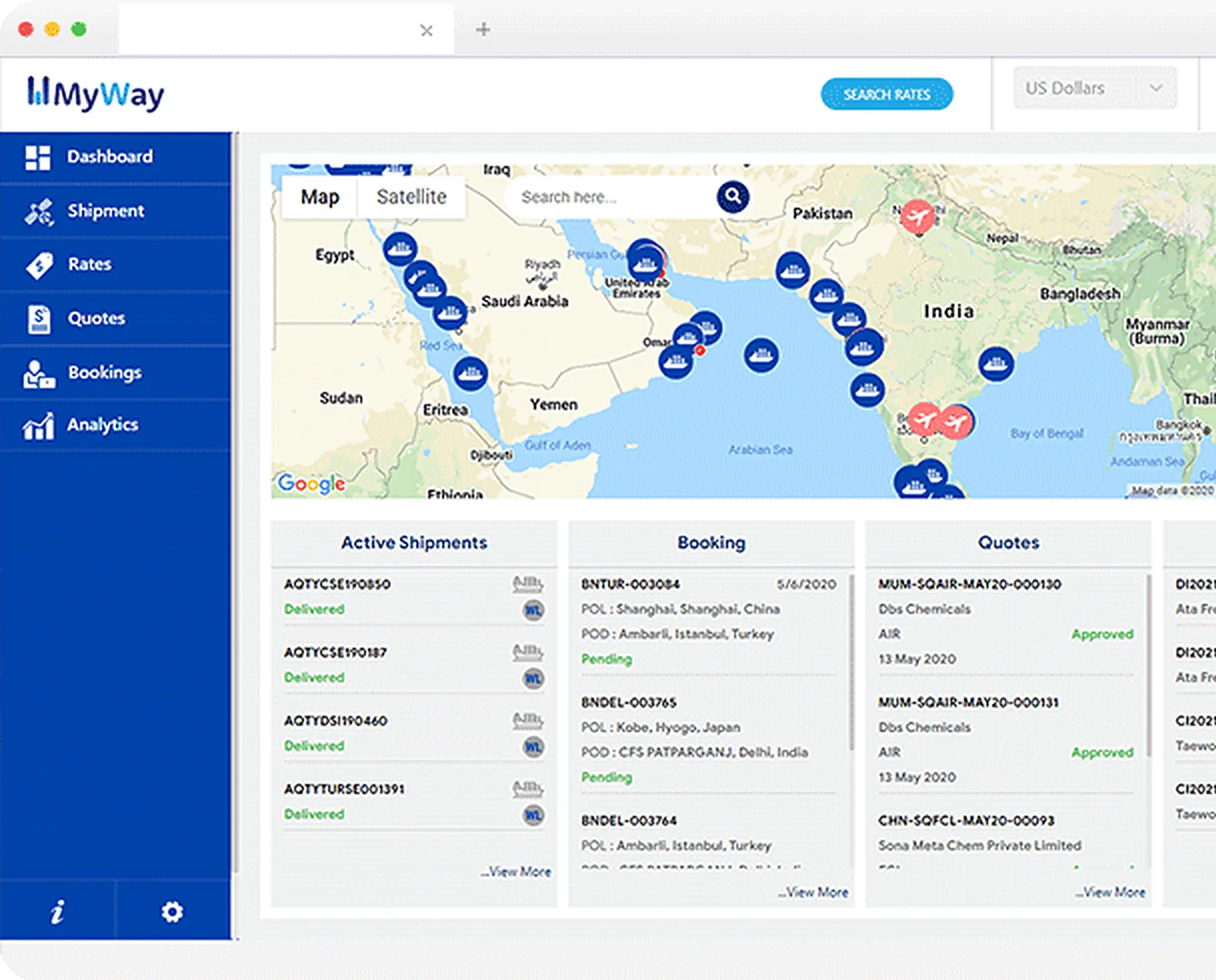
A full-stack crowdfunding platform managed 10,000+ campaigns and sent 10M+ eCard invites, raising more than USD 50 million.
Read the case →
A full-stack finance platform handled 1.5M+ users and 500k daily transactions while holding virtual cash worth USD 10M.
Read the case →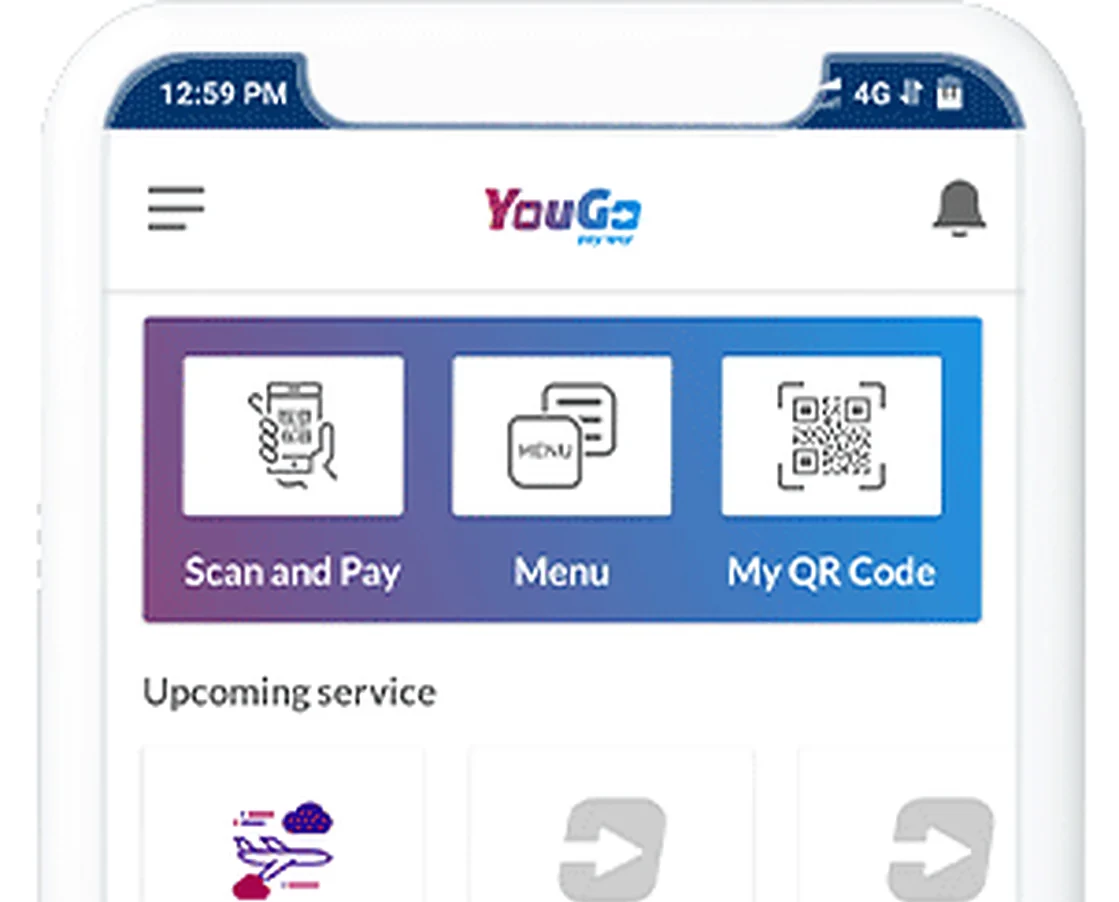
A single full-stack application centralized every department for the University of Texas at Arlington — tied into the university’s own SSO and running on high-availability cloud with enterprise search.
Read the case →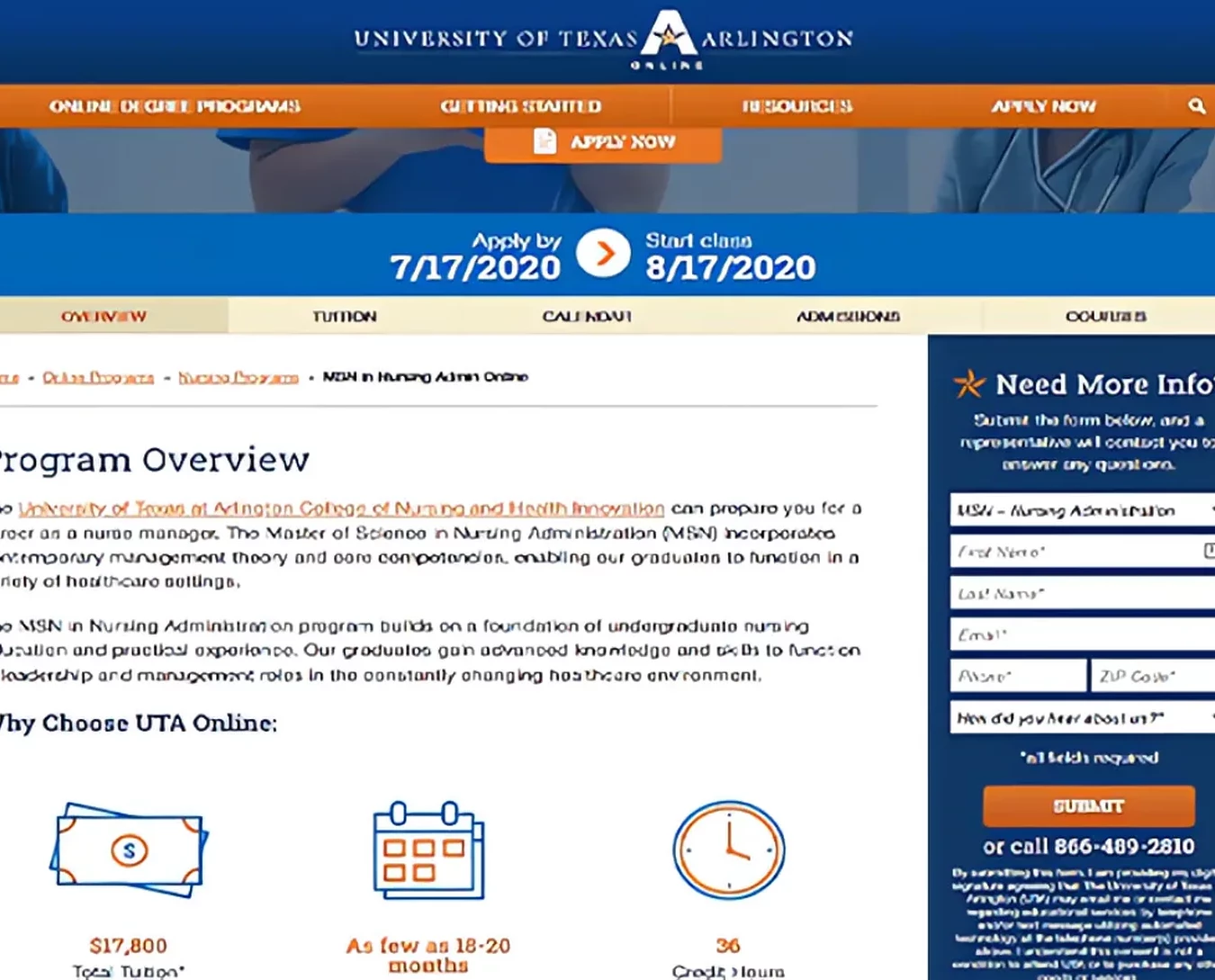
/ What we build
Eight practice areas under one roof, from front-end development and back-end development to API development, database management and integration services. AI runs through every layer of the stack, not sold as a ninth.
Interactive user interfaces in React, Angular and Vue, built for speed and accessibility.
AI-assisted UI & component generation FrontendBusiness logic on Node, Python, .NET and PHP back-end frameworks, engineered to scale.
AI-assisted code & test generation BackendREST and GraphQL APIs, gateways and third-party integrations.
AI-assisted API & schema design APIsSQL and NoSQL data modeling, tuning and migration across relational and document database management systems.
AI query & index optimization DataProven full-stack combinations matched to the workload.
AI stack & architecture advisory Stack EngineeringProgressive Web Apps that deliver fast, installable experiences.
AI performance budgeting PWAERP, CRM, payment and content management systems wired into one platform.
AI-reconciled data sync IntegrationRe-platforming, porting and modernization of legacy systems.
AI-audited refactoring Modernization/ Accelerators
Ready-made packages for Adobe, Shopify and Odoo, built on real projects, so you launch sooner with less risk.
Move to Adobe Commerce SaaS and cut running costs, keeping your custom features and adding a fast storefront, with no full rebuild.
Move every Sitecore page to AEM without losing search traffic. AI does the heavy lifting, so you launch sooner on a faster site.
Move from Salesforce Commerce Cloud to Shopify Plus with zero downtime. AI speeds up the build, proven on a $200M+ migration.
A fixed-price Odoo package for discrete, process or hybrid manufacturing. Sales, production, quality, stock and accounts run in one system.
/ Industries
Each vertical has dedicated teams, pre-built data models, and reference architectures shaped by hundreds of engagements.
Omnichannel platforms with unified inventory, AI merchandising, and storefronts that learn from every order.
See Retail & eCommerce work →HIPAA-conscious patient platforms, operational AI, and connected systems for providers and pharmacies.
See Healthcare work →Secure lending, payments, and decision-intelligence platforms built for audits, uptime, and scale.
See Finance & Fintech work →Dealer commerce, VIN & fitment catalogs, and service platforms connected to live inventory nationwide.
See Automotive work →PropTech platforms, CRM-ERP integration, and AI valuation models for developers and brokerages.
See Real Estate work →Route intelligence, warehouse automation, and end-to-end shipment visibility on one operational spine.
See Logistics work →Content platforms, subscription commerce, and audience analytics that turn viewers into recurring revenue.
See Media work →Learning platforms, enrollment systems, and AI tutoring experiences for institutions and edtech firms.
See Education work →/ In their words
Brainvire demonstrated reliability, a commitment to delivery, and helped us maintain momentum on critical roadmap items.
/ On the record

Brainvire configured our system with minimal customizations and delivered in a very short timeframe — saving us time and cost.


Brainvire has been invaluable, on budget and very responsive. They’d bend over backwards to help us in every way they can.

Brainvire has helped our business grow — it feels like a true partnership. Seven great years, and we’re looking forward to more.

We’ve worked with Brainvire for six years. They’re task-oriented and great at turning projects around in an expedited fashion.

Brainvire built a really good plan for my business, brought consistency, and took a lot off my hands. I can’t say enough good things.

Brainvire is a real partner — very different from other outsourcing companies. They’ve mastered communication and delivery.

The Brainvire team has lived up to every commitment. They gave us a part-naming convention that lets us configure our product line.

Brainvire’s response is always fast, and their delivery has been quick and elevating. I really recommend their services.
/ Recognition
 2026
Top eCommerce Developers
 2025
The Americas’ Fastest-Growing Companies
 2025
Fastest-growing private companies in America
 2024
North America’s fastest-growing tech companies
/ How we work
Six steps from project scope to post-launch support: the same full-stack development process on every build, whether you hand us the whole product or hire full-stack developers into your own team.
We map business needs, users, and constraints, then agree on the project scope and a release plan before any code is written.
DiscoveryWe choose the front-end and back-end technologies, the database, and the cloud platform to fit the workload, and document the system architecture.
AI stack & architecture advisory ArchitectureDesigners and front-end developers turn flows into prototypes and a component library, so user interfaces can be tested with users before they are built.
AI-assisted UI & component generation DesignFront-end and back-end work run side by side in short sprints: business logic, APIs, and screens ship together, with a working build to review at the end of each sprint.
AI-assisted code & test generation BuildUnit, integration, and end-to-end tests run in the CI pipeline, with code review and security scanning before each release reaches production.
QualityWe deploy through automated pipelines, monitor application health after launch, and handle updates, security patches, and performance optimization.
AI performance budgeting Support/ Questions, answered
We build the entire stack end to end — responsive front ends, APIs and business logic on the back end, the database and data layer, and the cloud, DevOps and CI/CD pipeline that ships and runs it. One team owns the whole application rather than handing work across silos.
React, Angular and Vue on the front end; Node.js, Python/Django, .NET, Java, PHP/Laravel and Ruby on the back end; SQL and NoSQL databases; and AWS or Azure for cloud-native, containerized delivery. We match the stack to your scale, team and roadmap rather than a one-size-fits-all default.
Yes. We audit the existing codebase and architecture, stabilize it, then modernize incrementally — refactoring, re-platforming or rebuilding modules with zero-downtime cutovers and data integrity preserved throughout.
AI is engineered into the build, not bolted on: copilots for code, tests and migrations across the stack, agentic workflows that orchestrate APIs and jobs, and AI-generated test suites, code review and vulnerability scanning running inside the CI pipeline.
Security and scale are designed in from architecture — API-first, containerized services on high-availability cloud, automated vulnerability scanning in CI, SSO and role-based access, and load-tested infrastructure that scales horizontally with demand.
Yes. We offer managed application services — monitoring, updates, security patching and continuous optimization — so the platform keeps improving after launch instead of drifting.
Full-stack development services cover every layer of an application: the front end people use, the back end that runs the business logic, the APIs that connect them, and the database underneath. Full-stack development refers to one development team building complete web applications and mobile apps, covering all the components instead of splitting the work across separate vendors.
A full-stack developer works on both sides of an application: user interfaces in the browser or app, and the server, APIs, and database behind them. Full-stack developers can follow a feature from the screen to the data layer, which helps on smaller teams and on work that crosses layers. On larger builds, full-stack engineers work beside front-end and back-end specialists rather than replacing them.
Tell us the stack, the work, and how you want to run it. You can hire full-stack developers as dedicated developers inside your own team, add software developers to an existing project, or hand us the whole build with our project management. We match people to your programming languages, frameworks, and tools.
Yes. You can bring in a full-stack development team that works inside your own processes and tools, or add back-end developers or front-end specialists for one part of the stack. Code reviews and documentation keep the technical knowledge with your team after we step back.
Brainvire brings 14+ years of experience, 1,000+ Brainers, 10+ global offices, and a 95% client retention rate. One engineering standard runs across the front end, back end, data, and delivery pipeline, and the case studies on this page show full-stack solutions we built end to end, from a freight platform to a university-wide application.
Check expertise in both front-end and back-end technologies, not just one side. Ask to see complete applications the company has built, how it handles project management and communication, and what support and maintenance it offers after launch. A leading full-stack development company should show documented work, name the people on your project, and explain how its process fits your business needs.
One team owning the full stack reduces handoff delays between front-end and back-end work, speeds up iteration, and keeps the user experience consistent. Troubleshooting is simpler too, because the same people can trace a problem across layers. The trade-off is coordination: end-to-end development needs clear priorities and project management, or technical debt builds up.
Front-end development builds what people see and use: web pages, screens, and interactive user interfaces. Back-end web development builds what runs behind them: business logic, APIs, data processing, and database management. Full-stack web development covers both, so one team owns how a feature works from end to end.
The programming languages and frameworks depend on the product. On the front end we use React, Angular, and Vue. On the back end we use Node.js, Python, .NET, PHP, and Java, with back-end frameworks such as Express, Django, ASP.NET Core, and Laravel. For data, we use relational databases such as PostgreSQL and MySQL and document databases such as MongoDB, hosted on AWS, Azure, or Google Cloud.
Discovery and project scope come first, then system architecture, then design and build in short sprints following an agile methodology, with testing and continuous integration running throughout, then launch and ongoing support. The process section above sets out each step.
An engagement can include a project manager who owns the plan, the backlog, and regular reporting, so you have one point of contact across front end, back end, and data. Project managers keep the project scope visible and raise trade-offs early, before they turn into development costs.
Quality assurance runs through the whole build: unit, integration, and end-to-end tests, code review, and automated checks in the continuous integration pipeline, so issues are caught early instead of after launch. AI-generated test suites and vulnerability scanning add coverage, and releases go to a staging environment before production.
Yes. Full-stack mobile app development shares one back end, one set of APIs, and one data model across web and mobile platforms, so features reach both from the same business logic. The crowdfunding platform above, for example, pairs a web portal with Android and iOS apps.
Yes. Scalability is designed into the system architecture: stateless services, versioned APIs, caching, and databases chosen for the expected load. Performance optimization continues after launch with monitoring and load testing, so scalable web applications stay fast as traffic grows.
Security runs through every layer: secure coding practices, encryption of data in transit and at rest, role-based access and single sign-on, dependency and vulnerability scanning in the CI pipeline, and monitoring after launch. The University of Texas at Arlington platform above, for example, ties into the university's own SSO.
ERP, CRM, payment, content management, and analytics systems, plus the business tools your team already uses, connected through APIs and integration services. The integration layer keeps data in sync, so each system stays the source of truth for its own records.
No. AI changes how software development gets done, not who is accountable for it. Copilots draft code, tests, and migrations, but people still own the architecture, the security decisions, and the choice of what to build. We use AI across code, test, and delivery, and our engineers review what it produces.
Development costs depend on project needs: the number of screens and integrations, the complexity of the business logic, any data migration, and whether you hire dedicated developers or hand us a fixed scope. We scope the work in a working session and put the estimate in writing before work starts.
Timelines follow scope: the number of features, integrations, and platforms. We agree on a release plan after discovery and plan a first working release early, then add to it in sprints rather than waiting for one big launch.
It depends on your team and product. React describes itself as the library for web and native user interfaces, and suits product teams that want a large ecosystem and a path to native apps. Vue describes itself as a JavaScript framework for building user interfaces and is approachable for smaller teams. Angular gives large teams a complete framework with strong conventions. We recommend one after looking at your existing code and people.
Node.js describes itself as an asynchronous event-driven JavaScript runtime designed to build scalable network applications. It lets one team write JavaScript on both the front end and the back end, which suits real-time features and API-heavy web apps. For heavy computation or an existing .NET or Python estate, another back end may fit better.
We build on MEAN, MERN, and LAMP, and on mixed stacks such as React or Angular with .NET or Python. MongoDB describes the MEAN stack as MongoDB, Express, Angular, and Node, four technologies that make up the layers of one stack; MERN swaps Angular for React. We pick the combination that fits the workload and your team, not the other way around.
/ Next step
A 30-minute working session with a Brainvire architect: your stack, system architecture, project scope and AI roadmap, on one page.
Book a Working Session →Cookies on this site
Essential cookies are always on. They keep the site secure and make forms work.
We also use Google Analytics and Microsoft Clarity to see how the site is used. We only turn these on if you accept.