AR application development
End-to-end AR apps for iOS, Android, tablets and wearables.
AI computer-vision pipelines iOS & Android AR Americas' Fastest-Growing 2025
One page from a senior architect, within two business days. The single highest-payback AI move in your Odoo, Adobe or custom stack, and the two things to leave alone. Yours to keep.
One page from a senior architect in two business days: your highest-payback AI move, and what to leave alone.
Brainvire is an AR development company delivering augmented reality services across iOS, Android, tablets and wearables: recognition, projection and location-based AR apps on ARKit and ARCore, with computer vision and machine learning built in.
Trusted by immersive-first brands worldwide












/ Immersive work, on the record
Every figure below comes from a documented engagement. Every card is one client, on the record: two augmented reality applications, and two immersive platform builds.
 Landscape · AR
78%
Improvement in lead conversion for a landscape AR app
A recognition-based AR app let customers visualize landscaping in place: a 78% improvement in lead conversion, with ROI in three months.
Read the case →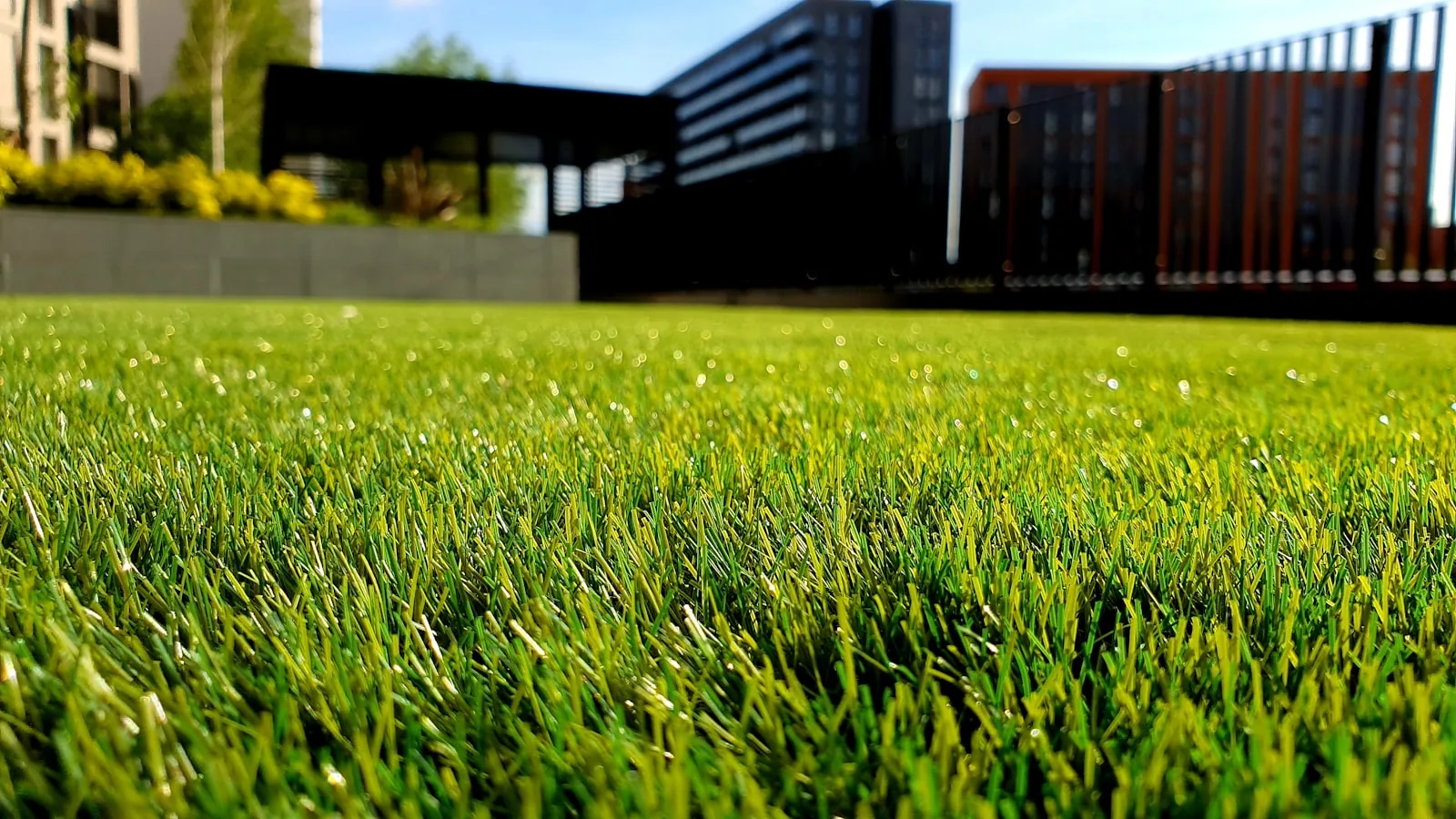
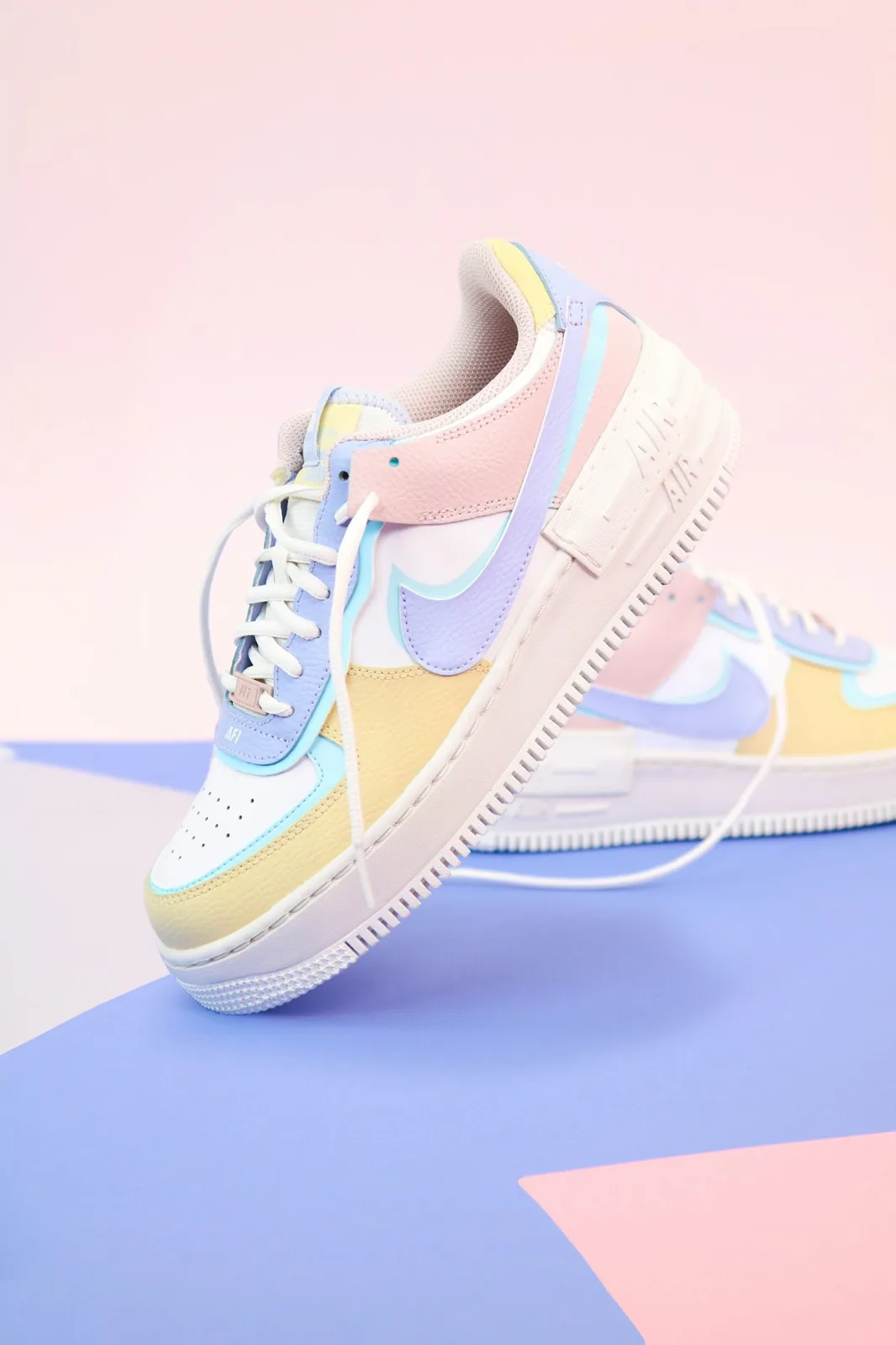 Retail · AR Commerce
76%
Increase in customer engagement for a 3D AR shoes app
A 3D try-on AR app for footwear lifted customer engagement 76% and improved ROI 61% by bringing products into the shopper’s space.
Read the case →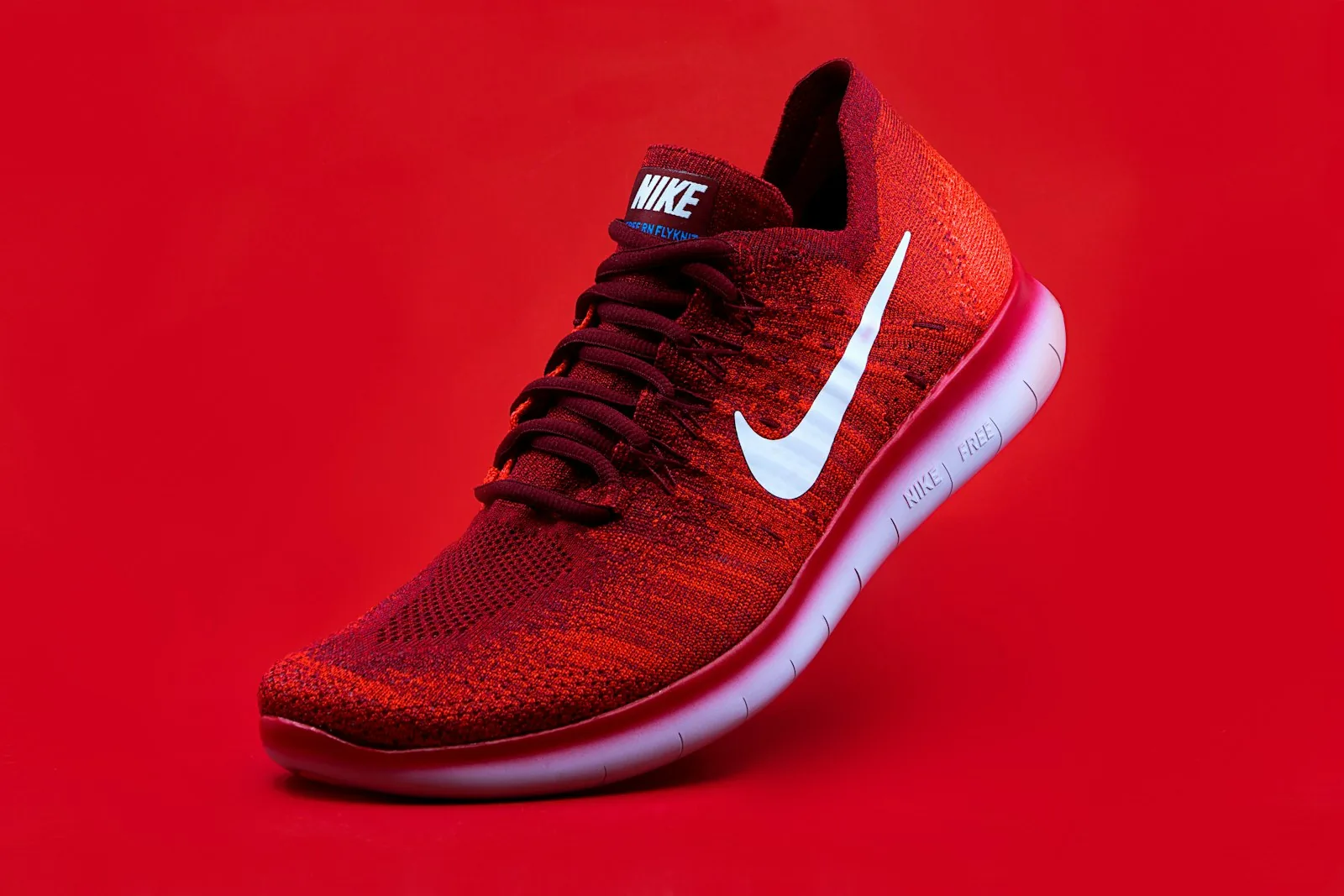
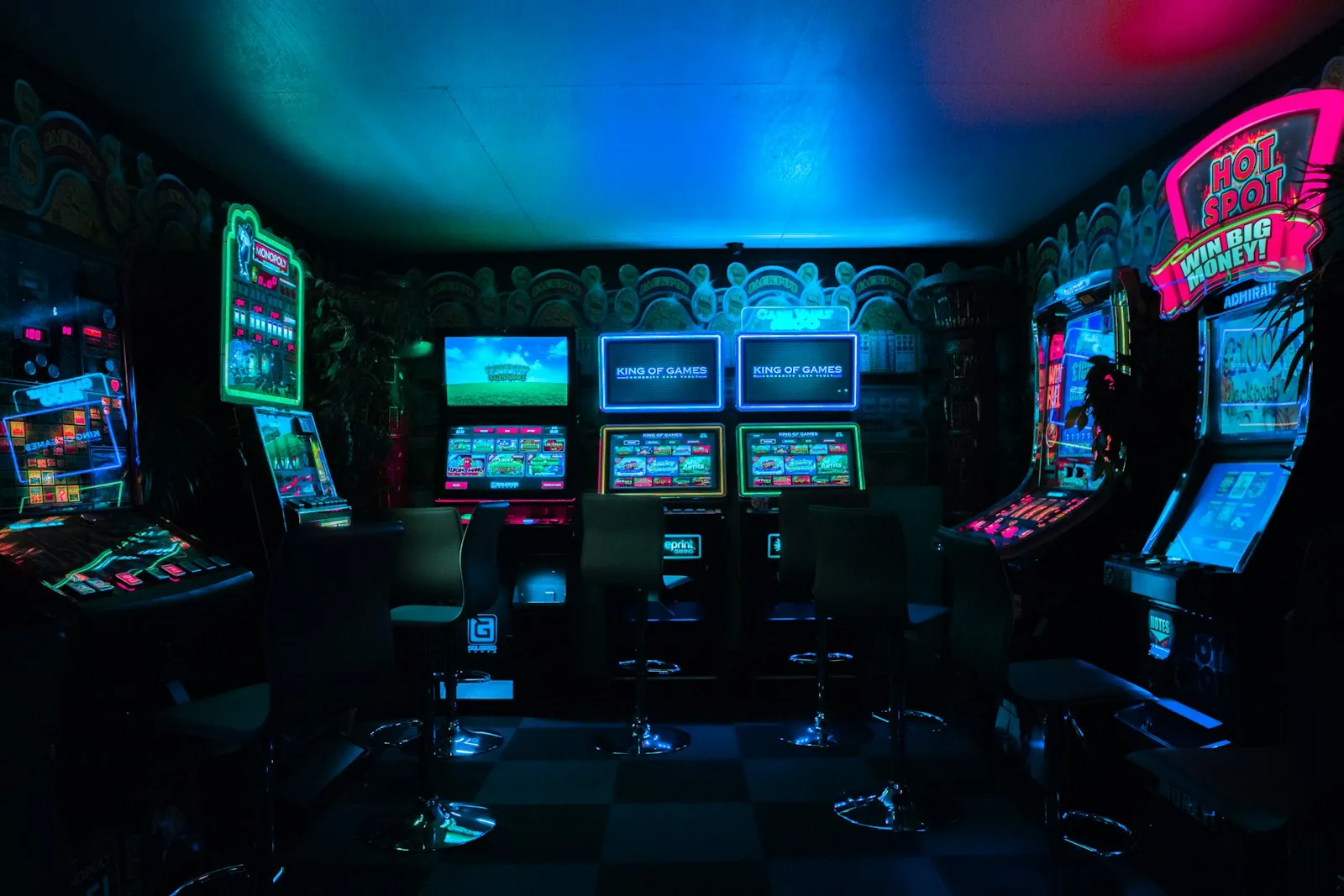 Gaming · Immersive
34%
Growth in revenues post-launch of an eSports platform
An immersive eSports platform reported 34% revenue growth post-launch, with a community of more than a million players.
Read the case →
 Emerging Tech · 3D
10K+
Subscriptions within three months for drone management software
A spatial drone-management platform managing 100K+ drones and 1M+ flight logs crossed 10K subscriptions within three months.
Read the case →/ What we build
AR demos are easy. The hard part is tracking that holds in a cluttered stockroom under bad light. Eight AR development practice areas sit under one roof. We prove tracking in your real room before we commission a single 3D asset. AI is built into each area, not bolted on as a ninth.
End-to-end AR apps for iOS, Android, tablets and wearables.
AI computer-vision pipelines iOS & Android ARMarker and image-recognition AR that anchors content to the real world.
AI image & object recognition Recognition ARCustom projection AR experiences for retail, events and spaces.
AI scene understanding Projection ARNative ARKit and ARCore builds for high-fidelity, low-latency AR.
On-device Core ML intelligence ARKit · ARCoreLocation-aware and sensor-driven AR and VR for navigation and field use.
AI sensor fusion Location ARFace and gesture recognition platforms for interactive AR.
AI face & gesture models Recognition PlatformAR and VR layered onto IoT for maintenance, training and visualization.
AI-driven IoT visualization AR + IoTAR consultation, testing, and ongoing support and maintenance.
AI-assisted QA automation 24×7 Managed Services


/ AI, built in
Real-time SLAM, plane detection, and object recognition running on the headset or phone.
Auto-rigging, mesh optimization, and scan-to-model conversion that turn raw captures into runtime-ready assets.
Models trained to read hand gestures, gaze, and surroundings so interactions feel natural, not scripted.
Automated visual regression, tracking-drift detection, and device-matrix testing wired into delivery.
/ Accelerators
Each accelerator packages the playbooks, pre-built components, and AI tooling from our earlier immersive programs, so the riskiest step of your roadmap starts from components that already track.
A pre-built AR try-on layer with 3D models, occlusion and placement, dropped onto your existing store or app.
Image and object-recognition AR with AI vision pipelines pre-tuned for real-world anchoring.
Vision, tracking and personalization that run on-device with Core ML and ML Kit. No round-trip to the cloud.
Bring an aging AR app to current ARKit/ARCore SDKs with AI-audited refactoring and regression testing.
/ Industries
Each vertical has dedicated teams, pre-built data models, and reference architectures shaped by past engagements.
Omnichannel platforms with unified inventory, AI merchandising, and storefronts that learn from every order.
See Retail & eCommerce work →HIPAA-conscious patient platforms, operational AI, and connected systems for providers and pharmacies.
See Healthcare work →Secure lending, payments, and decision-intelligence platforms built for audits, uptime, and scale.
See Finance & Fintech work →Dealer commerce, VIN & fitment catalogs, and service platforms connected to live inventory nationwide.
See Automotive work →PropTech platforms, CRM-ERP integration, and AI valuation models for developers and brokerages.
See Real Estate work →Route intelligence, warehouse automation, and end-to-end shipment visibility on one operational spine.
See Logistics work →Content platforms, subscription commerce, and audience analytics that turn viewers into recurring revenue.
See Media work →Learning platforms, enrollment systems, and AI tutoring experiences for institutions and edtech firms.
See Education work →/ In their words
Brainvire demonstrated reliability, a commitment to delivery, and helped us maintain momentum on critical roadmap items.
/ Recognition
2026Top eCommerce Developers
 2025
The Americas’ Fastest-Growing Companies
 2025
Fastest-growing private companies in America
 2024
North America’s fastest-growing tech companies
/ How it runs
Six steps from the first discovery session to a build that survives new phones. Each ends with a sign-off on your side, and the sequence holds whether the work starts with recognition, projection or location-based AR.
Your product owner and our AR architect map the business objectives, the users and the physical environments the app has to work in. Discovery builds a deep understanding of the room before a single 3D asset is commissioned. You sign off a device list and an asset list, and phase 1 is priced from them.
AI-assisted use-case scoring DiscoveryStoryboards, the interaction model and a user interface someone can operate one-handed come first. Visual design for AR is mostly about keeping digital elements legible against an unpredictable background. Your product owner approves the storyboards.
AI-generated concept frames DesignNative builds on ARKit and ARCore, or a shared layer where the app has to ship to multiple platforms at once. Tracking, anchoring and occlusion are engineered before any feature work starts, and you see them working in your own space.
AI-tuned tracking parameters BuildRecognition models, the 3D content pipeline and the asset optimization that protects frame rate on mid-range phones. Artificial intelligence does a narrow, measurable job here rather than a broad one. Your brand lead reviews the assets against the signed list.
AI mesh & texture optimization IntelligenceA device matrix, automated visual regression and tracking-drift detection come first, then real rooms with real lighting. An AR build that passes on one handset has proved almost nothing. Your IT lead approves the release against the device list.
AI-triaged defect clustering AssuranceStore submission, live telemetry on tracking quality and SDK upgrades follow as Apple and Google move the frameworks underneath the app. Content updates ride the same cadence, in the order your product owner sets.
AI anomaly detection on sessions Run/ Questions, answered
Augmented reality (AR) services cover the design, build and support of software that overlays digital content on the physical world in real time. Apple's ARKit documentation describes augmented reality as adding 2D or 3D elements to the live view from a device's sensors so those elements appear to inhabit the real world. In practice it is mobile app development with a computer vision layer and a 3D content pipeline behind it.
Augmented reality keeps you in the real environment and adds digital objects to it. Virtual reality replaces that view entirely with virtual worlds you move through inside a headset. Extended reality is the umbrella term for both, and for everything between them. The practical test is whether the user still needs to see the room they are standing in.
Mixed reality sits between the two: virtual objects are placed in the room and respond to physical objects, so a model can be occluded by a real table rather than floating in front of it. Mixed reality applications need depth and occlusion data that simple overlay AR can skip, which makes them heavier to build and heavier to run.
Our AR builds target mobile devices (iPhone, iPad, Android phones and tablets) plus wearables. Beyond those mobile platforms, the wider category also includes head-mounted displays and AR glasses from vendors such as Magic Leap. Those are a separate hardware track, not what the work on this page covers. Browser-based AR reaches phones and desktop environments without an install.
ARKit on iOS and ARCore on Android. Apple's documentation describes ARKit as combining device motion tracking, world tracking and scene understanding; Google's ARCore documentation covers SLAM-based motion tracking, plane detection, light estimation and depth maps. Google publishes ARCore quickstarts for Android, iOS, Unity's AR Foundation and Unreal Engine, so the technology stack and development tools follow the target devices rather than a house preference.
Yes. The WebXR Device API gives a web page access to the input and output capabilities of VR and AR hardware, including head tracking and display output, and its immersive-ar session mode presents content overlaid on a real-world view. The same page can run on a headset, an AR-capable phone, or as an inline preview on a desktop. It is the right choice when you do not want users to install anything.
Computer vision recognizes physical objects and surfaces and uses them to trigger the digital experience. Motion tracking keeps the device located inside the user's real-world environment, plane detection finds floors, walls and tables, and spatial mapping lets digital objects sit behind real obstacles instead of drifting over them. That is the spatial computing layer underneath every AR app we ship.
Yes, through cloud anchors. Google's ARCore documentation describes Cloud Anchors as connecting real world locations with digital content that anyone can access from compatible mobile devices, with Android and iOS users able to join the same experience. That is what makes real-time interaction between several people around the same virtual objects possible.
An AR developer combines software engineering with computer graphics: the app itself, the tracking logic, the 3D pipeline, and the user interface someone has to operate while holding a phone up at arm's length. The development process leans on visual design and on the computer science of vision and geometry, because an AR build fails on precision long before it fails on features.
Marker-based AR, location and sensor-based AR, projection-based AR, and superimposition AR. Marker-based AR anchors content to an image or object; location-based AR uses GPS and device sensors; projection-based AR uses projection mapping onto a physical surface; superimposition replaces part of a view with interactive elements. The first three map directly onto the practice areas listed above.
Product visualization, training simulations, remote assistance, navigation and in-store try-on are the common ones. Organizations buy augmented reality solutions to lift user engagement and improve the customer experience where a flat screen cannot show scale or fit. Start from the business objectives: immersive AR applications earn their place when seeing something in context changes a decision.
Healthcare, logistics, education and retail are the four we see most often, and each is one of the verticals listed above. Healthcare uses AR for surgical navigation and medical training; logistics uses smart glasses to guide warehouse pickers; education uses it for interactive learning; retail uses it for virtual try-on. Manufacturing is a heavy AR user too, though it is not one of our practice verticals.
Reducing returns is the usual reason retailers fund it: letting a shopper place a product in their own space removes the guesswork about size and fit that drives returns. We do not publish a returns figure of our own. The documented outcome on this page is a 76% increase in customer engagement for a 3D AR shoes app, and that is the number we stand behind.
There’s no rate card here, because cost follows scope. How many objects have to be recognized and how precise the tracking must be come first. Then comes how much 3D content has to be produced and how many platforms it ships on. A single-feature try-on layer and a multi-site field-service rollout are not the same software solution. We scope after discovery, and phase 1 gets a fixed price.
Yes. AR technology stopped being one of the speculative emerging technologies once it shipped inside the phone operating systems themselves. ARKit and ARCore are maintained platform frameworks, and the buying pattern has moved on from novelty campaigns to product visualization, training and field work that people use on an ordinary Tuesday.
Ask which AR development companies have shipped on your target devices rather than in a demo video, and ask to see tracking behave in a room nobody prepared. Augmented reality development companies range from platform vendors to custom development studios, so establish whether you are buying a license to a tool or an engineering team that owns the build. Ask for industry insights from a comparable deployment.
Three, in this order: device fragmentation, the cost of producing 3D content and integration with the systems that hold the data. Fragmentation is contained by a device list signed in discovery and tested every release. Content is contained by an asset list with a budget. Integration is contained by writing the data sources down before any asset is commissioned. Most programs stall on content and integration rather than on the technology itself.
AR integration is ordinary systems work at the back end. Real-time data connects the AR interface to the ERP, PIM, CRM or order system so the overlay shows live stock, price or work-order state instead of a static model. We write the business needs and the data sources down before any 3D asset is commissioned.
AR is the practice this page sells. Augmented and virtual reality share the engine, the 3D pipeline and much of the interaction model, so AR and VR technology travels together: the location and IoT practice areas above already cover AR and VR for navigation, maintenance and training. Standalone virtual reality technology, with fully virtual environments and headset hardware, is scoped case by case rather than sold as a standing service. Both are immersive technologies that join the digital and physical worlds; they differ in how much of the room they take away.
Content volume drives the schedule more than code does. The accelerators above put a try-on layer in the 4-6 week band and a recognition build in the 6-10 week band, because the vision tuning and the components already exist. A program that needs new 3D content and back-office integration runs longer. We set the date after discovery, not before it.
Support and maintenance, on a schedule. Apple and Google ship new ARKit and ARCore versions, new phones arrive with new sensors, and AR builds age faster than ordinary mobile apps because the platform frameworks move underneath them. We run SDK upgrades, regression passes and content updates so the app does not quietly stop tracking.
On a device matrix first, then in real-world environments. Automated visual regression and tracking-drift detection run inside delivery. After that comes the part no simulator reproduces: different lighting, reflective floors, cluttered rooms, and user interaction from people who have never held a phone at that angle before.
The tracking does. Vision, tracking and personalization can run on-device with Core ML and ML Kit, with no round-trip to the cloud, which is what the on-device accelerator above packages. Shared cloud anchors and content sync still need a connection, so the offline story is a design decision made early rather than a switch flipped late.
A pre-built starting point, not a product. Each accelerator above packages components, tooling and playbooks for one recurring pattern: try-on, recognition, on-device intelligence or modernization of an aging AR app. That way the first working build arrives in weeks instead of starting from an empty project.
Yes. That is the modernization track above: bringing an aging AR app onto current ARKit and ARCore SDKs with audited refactoring and regression testing. We start by reading the tracking behavior and the asset pipeline, because that is usually where an older build is losing frames.
With a 30-minute working session. Bring the use case, the devices your users actually carry, and the systems the data lives in. You leave with a view of which practice area fits, what has to be proven first, and whether an accelerator shortens the path.
That is the operational case for it. Augmented reality puts the instruction, the part number or the next step in the technician's view instead of on a clipboard, which reduces errors and shortens the task. Remote assistance works the same way: a specialist sees what the technician sees and annotates the real scene rather than describing it over a phone call.
It supplements it. Training simulations built in augmented reality let people rehearse a procedure on the real equipment without consuming the equipment, which is how AR reduces training costs once the content exists. The saving comes from repetition, not from the first build, so the business case depends on how many people will run the module.
By overlaying route guidance on the live camera view, so directions sit on the street or the warehouse aisle instead of on a separate map. The location and sensor-based practice area above covers this class of augmented reality applications, indoors and outdoors, and it is the one that leans hardest on sensor fusion.
Vuforia Engine is a commercial AR SDK that recognizes and tracks images and objects in real time. It is one option alongside ARKit, ARCore and Unity's AR Foundation. We choose the SDK from the business needs and the target devices rather than from a standing preference, and often the platform frameworks already do the job for free.
It changes the perception of their surroundings rather than the content on a screen. The same digital content can arrive through a phone, a tablet or a wearable, and the value is that the user sees it in place, at real scale, in the room where the decision is being made.
The ones with a short, clear job: place this product, find this aisle, show this next step. AR experiences that ask someone to hold a phone up for ten minutes lose them. We scope the interaction to the attention the task actually has, which is usually shorter than the demo video suggests.
Yes. AR development platforms enable cross-platform content creation: Unity's AR Foundation puts one project in front of both ARKit and ARCore, which streamlines AR application design and testing when the app has to reach iPhone and Android users at once. Native builds still win when a platform feature has no cross-platform equivalent yet.
Scale and place. A 3D viewer shows a model on a screen; augmented reality puts the same model in the room at true size, against your own floor and your own light. That is the difference that moves a purchase or a maintenance decision, and it is why organizations use AR to enhance visualization and training. If scale and placement don’t change the decision, a 3D viewer on the product page costs far less and does the job.
Four roles cover the decisions. Your CFO sees the phase 1 price and what the 3D content budget buys. Your CIO or IT lead owns the device list, data access and the ERP, PIM or CRM connections. The business owner, often ecommerce or field operations, approves the storyboards and the assets. Operations plans rollout, device setup and training for the people using it.
/ Next step
A 30-minute working session with a Brainvire architect, no sales deck: your platform, devices and AI roadmap, on one page. Bring a photo of the room your users will stand in.
Book a working session →Cookies on this site
Essential cookies are always on. They keep the site secure and make forms work.
We also use Google Analytics and Microsoft Clarity to see how the site is used. We only turn these on if you accept.