PPC Audit
A full account and campaign audit that finds wasted ad spend before scaling.
AI account & spend analysis Audit Americas' Fastest-Growing 2025
One page from a senior architect, within two business days. The single highest-payback AI move in your Odoo, Adobe or custom stack, and the two things to leave alone. Yours to keep.
One page from a senior architect in two business days: your highest-payback AI move, and what to leave alone.
Brainvire provides PPC services and PPC management services across Google Ads, Microsoft Advertising, Meta and marketplace ad programs, built around audience, intent and ROAS: paid search, remarketing, landing-page and conversion optimization, with agentic AI wired into bidding and budgets.
Trusted by performance-driven brands worldwide









/ Marketing results, on the record
Every figure below comes from a documented engagement: three paid ad campaigns built on keyword and audience targeting, plus one brand-awareness program. Every card is one client, on the record.
 Retail · Paid Ads
[56.57%]
Growth in sales revenue with a strategic ad campaign
A strategic paid-ad campaign grew a camera brand’s sales revenue 56.57% and improved ACoS by 11.2%.
Read the case →
 Retail · Paid + SEO
[150%]
Return on investment for a furniture provider
A restructured paid program delivered 150% ROI while cutting marketing costs 30% and advertising expenses 25%.
Read the case →
 Services · Paid Media
[3.4%]
Monthly CPC reduction from paid marketing
A paid-media program drove an 8.97% monthly traffic surge and a steady 3.4% monthly CPC reduction with 4.7% conversion growth.
Read the case →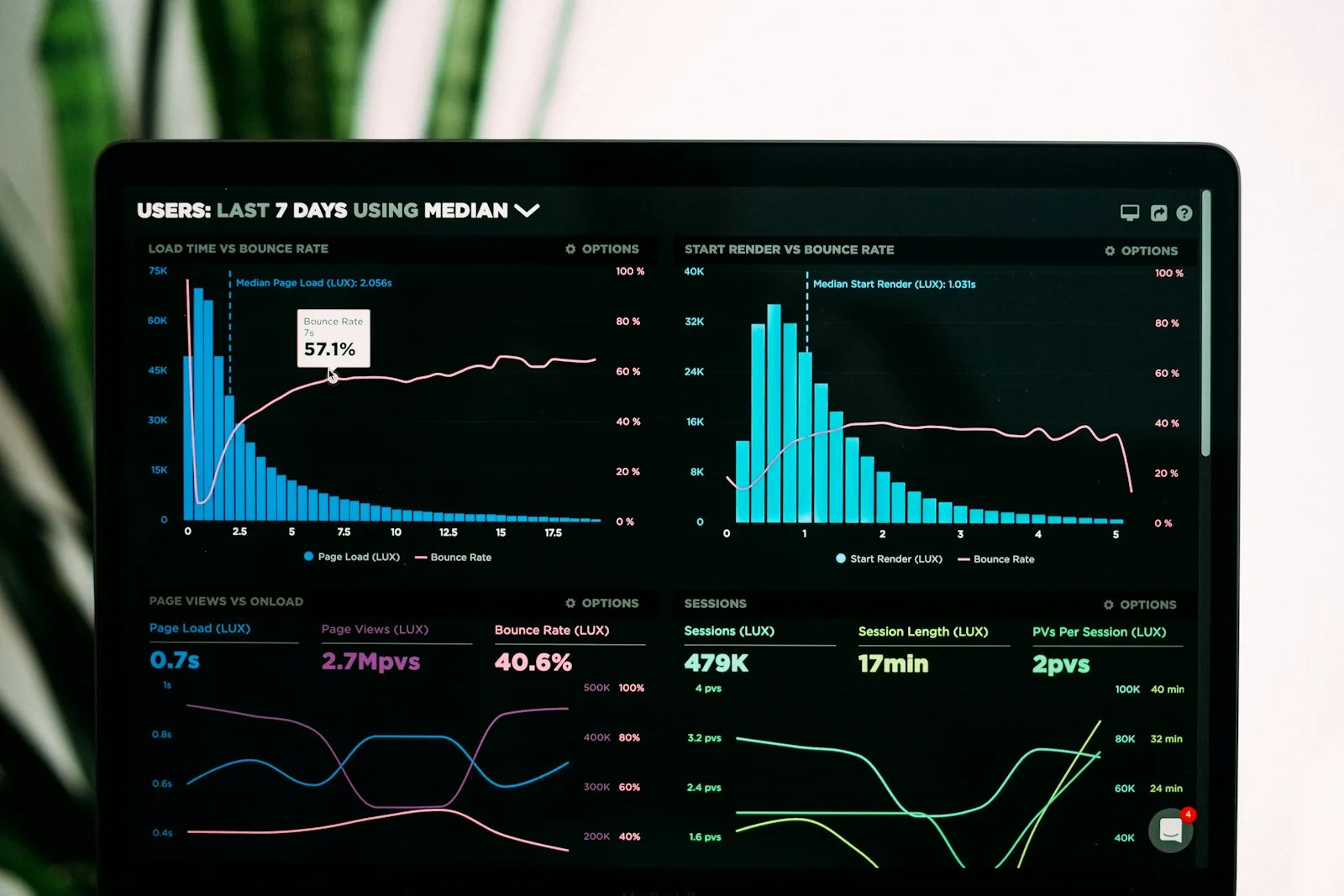 Media · Paid + Social
[100+]
Leads generated every week
A paid and social program generated 100+ leads a week and 1M+ monthly website hits for a US brand-awareness project.
Read the case →
/ What we build
Eight PPC advertising services under one roof, from the PPC audit to ad copywriting and landing page optimization, with AI running every PPC account, not sold as an add-on service.
A full account and campaign audit that finds wasted ad spend before scaling.
AI account & spend analysis AuditGoogle Ads campaigns and search ads built around keywords, negative keywords, intent and Quality Score.
AI bid & budget optimization Google Ads PartnerAd copy and creative engineered to earn clicks and conversions.
AI creative & copy variants CreativeLanding pages built and tested to convert paid traffic.
AI landing-page variants CRORemarketing and audience programs that recover and re-engage.
AI audience modeling RemarketingAccurate conversion tracking wired to every campaign and channel.
AI anomaly detection GA4 & TrackingGoogle Ads, Microsoft Advertising, Meta, and marketplace advertising managed as one program.
AI cross-channel allocation MultichannelROAS dashboards and analysis that steer budget to what works.
AI insights & forecasting Analytics


/ AI, built in
Models reallocate spend across campaigns in real time, chasing conversions instead of clicks around the clock.
Autonomous agents test ad variants, pause losers, and scale winners without waiting on a weekly review.
Models trained on real spend data forecast ROAS by channel, so budget moves to where returns actually are.
Automated copy generation plus click-fraud and anomaly detection protect budget before it is wasted.
/ Accelerators
Each accelerator packages the playbooks, pre-built components, and AI tooling from dozens of prior paid-media programs, so the riskiest step of your ramp is already two-thirds built before your first campaign goes live.
Cross-channel PPC scaling with AI bidding, audience modeling and creative rotation tuned to ROAS.
A rapid account audit with AI-flagged waste and a prioritized restructure plan.
A creative testing engine with AI-generated ad variants and automated rotation.
Server-side tracking, conversion setup and attribution wired to dashboards with AI anomaly detection.
/ Industries
Each vertical has dedicated teams, pre-built data models, and reference architectures shaped by hundreds of engagements.
Omnichannel platforms with unified inventory, AI merchandising, and storefronts that learn from every order.
See Retail & eCommerce work →HIPAA-conscious patient platforms, operational AI, and connected systems for providers and pharmacies.
See Healthcare work →Secure lending, payments, and decision-intelligence platforms built for audits, uptime, and scale.
See Finance & Fintech work →Dealer commerce, VIN & fitment catalogs, and service platforms connected to live inventory nationwide.
See Automotive work →PropTech platforms, CRM-ERP integration, and AI valuation models for developers and brokerages.
See Real Estate work →Route intelligence, warehouse automation, and end-to-end shipment visibility on one operational spine.
See Logistics work →Content platforms, subscription commerce, and audience analytics that turn viewers into recurring revenue.
See Media work →Learning platforms, enrollment systems, and AI tutoring experiences for institutions and edtech firms.
See Education work →/ In their words
Brainvire demonstrated reliability, a commitment to delivery, and helped us maintain momentum on critical roadmap items.
/ Recognition
2026Top eCommerce Developers
 2025
The Americas’ Fastest-Growing Companies
 2025
Fastest-growing private companies in America
 2024
North America’s fastest-growing tech companies
/ How it runs
Six steps from the first PPC audit to reporting, with a checkpoint at the end of each.
We start with what exists: account structure, tracking, spend and search terms, plus a competitive analysis of who bids on your terms and what successful campaigns in your category look like.
AI account & spend analysis AuditKeyword research identifies the search terms potential customers actually use. Keywords are grouped by intent, negative keyword lists are built early, and the audiences worth paying for are defined, so each campaign starts from real demand rather than guesses.
AI audience modeling ResearchPaid search campaigns are structured by intent, and paid search ads are written and tested in variants. Meta and marketplace ad campaigns follow the same plan and the same conversion goals.
AI creative & copy variants BuildLanding pages are matched to each ad group, and conversion tracking is verified before spend scales, so paid campaigns are judged on leads and sales, not clicks.
AI landing-page variants CROBids and budgets move toward what converts across every paid advertising channel, and the PPC budget is reviewed against your targets rather than spent evenly across the month.
AI bid & budget optimization BiddingDashboards show spend, conversions and ROAS by channel, with the changes made since the last review. Findings feed the next round of tests, so PPC performance is managed continuously instead of drifting.
AI insights & forecasting Reporting/ Questions, answered
A PPC agency plans, runs and optimizes paid online advertising for other businesses: PPC ads on search engines, social platforms and marketplaces, where the advertiser pays when someone clicks rather than when an ad is shown. Most work across platforms such as Google Ads and Meta Ads. Brainvire works as a pay-per-click advertising agency within its wider digital marketing practice.
PPC stands for pay per click. In Google's words, cost-per-click bidding means that you pay for each click on your ads, and your maximum CPC is the most you'll typically be charged for a click. That model is why PPC advertising rewards relevance: clicks from the wrong searches cost money and return nothing.
PPC management services cover the ongoing running of paid campaigns: account structure, researching keywords and audiences, ad copy, bids and budgets, landing pages, conversion tracking and reporting. As a PPC management agency, our pay-per-click management services span the eight practice areas above, from a one-time PPC audit to full campaign management across channels. The aim is a better return on ad spend from ads that are optimized continuously.
A PPC manager, or PPC specialist, owns an account's performance day to day: researching keywords, writing and testing ad copy, adding negative keywords, adjusting bids and budgets, and reading conversion data to decide where spend goes next. PPC marketing needs that ongoing monitoring and optimization; at Brainvire the specialist works with AI bid and budget optimization rather than being replaced by it.
Google Ads, Microsoft Advertising, Meta Ads, and marketplace ad programs, managed as one program under a single measurement standard. Paid search, display, remarketing and social media advertising sit in the same ads management plan, so budget can move between advertising platforms based on results rather than habit.
Yes. Microsoft Advertising was formerly Bing Ads: Microsoft's own documentation states that Bing Ads is now Microsoft Advertising, so older guides to Bing Ads describe the same platform. Microsoft Advertising also supports importing campaigns from Google Ads to run the same ads on Bing, which makes it a practical second paid search channel once Google Ads campaigns are working.
Yes. Google announced in June 2018 that Google AdWords was becoming Google Ads. Advice that mentions AdWords refers to the same platform, although many of its features have changed since.
Google describes negative keywords as a way to exclude search terms from your campaigns and focus on the keywords that matter to your customers: the ad won't show when a search contains the negative keyword terms. Negative keyword lists are one of the first places a PPC audit looks for wasted ad spend.
Google describes Quality Score as a diagnostic tool, measured on a scale from 1 to 10 at the keyword level and based on expected clickthrough rate, ad relevance and landing page experience. Google also states that Quality Score is not an input in the ad auction, so we use it to find which ads and landing pages need work, not as a target in itself.
Google describes the Google Display Network as a large collection of websites, mobile apps and video content where display ads can appear, depending on the targeting a campaign uses. We use it for remarketing and for reaching a target audience beyond search, with ad placement reviewed so spend stays on relevant sites.
Fee structures vary by service and client needs. The common models are a percentage of ad spend, a flat monthly fee, and performance-based pricing tied to leads or revenue milestones. There is no rate card on this page: we scope pricing to your channels, ad spend and the work involved, and agree on it before anything starts.
A PPC investment should follow from what a conversion is worth to you and how much search demand exists in your market. We size a PPC budget from your target cost per conversion, start with a test phase, and move budget toward the campaigns that convert. Budget management is ongoing, not a one-time setting.
PPC ads can generate website traffic as soon as campaigns are approved and live, which is the main difference from search engine optimization, where organic results usually take months. Reliable conversion data takes longer, because bidding and testing need enough clicks to learn from; our accelerators show their own time-to-value ranges above.
Most businesses benefit from both. SEO traffic carries no per-click cost but takes time to build, while paid search buys placement in search results today. Search-term data from PPC campaigns shows which queries convert, which helps prioritize organic content, and paid ads can cover high-value terms while organic rankings grow.
A PPC audit reveals why campaigns underperform. Ours reviews account structure, search terms and negative keywords, wasted ad spend, conversion tracking, ad copy, landing pages, bidding and budget settings, then ends in a prioritized restructure plan you can act on with us or on your own.
Yes. Meta ads run as part of our multichannel advertising, planned against the same conversion tracking as search ads. Organic social media marketing sits with Brainvire's other marketing services; this page covers paid social only.
Yes. Landing pages are part of the PPC service rather than a separate project, because paid traffic converts only as well as the page it lands on. We build and test landing page variants against each ad group's intent; broader conversion rate optimization across a whole site is a separate engagement.
Through transparent reporting: ROAS dashboards by channel, with spend, conversions, cost per conversion and the changes made since the last review, plus AI anomaly detection that flags unusual movement between reports. Analytics and reporting are there to steer budget, not to fill a slide deck.
For Google Ads, Google's advertising policies require third-party partners to report the exact amount charged by Google, exclusive of their own fees, when sharing cost data, and to disclose any management fee to customers in writing. Transparency about spend and fees is the basis of a healthy agency-client relationship, so ask any PPC company how it meets those requirements before you sign.
You should. Account ownership means you keep access to your ad accounts, campaign history and conversion data if you change agencies. Google's policies also require partners to give customers their Google Ads customer IDs when requested. Treat account ownership as a condition of any engagement.
A good PPC agency starts from clear goals, shows proven results through case studies and client references, reports transparently, and explains its PPC strategy in plain terms. Ask who will run your account day to day, whether you get a dedicated account manager, and how the team handles tracking before it scales spend.
Rankings and badges are a starting point, not a decision. The best PPC marketing agencies can show documented results, relevant industry experience and a communication style that fits your team. Each case on this page comes from a documented engagement, and every card is one client.
An in-house marketing team knows the product and the customer; a PPC management company brings specialist depth and tooling across many accounts. Many teams keep strategy in-house and hand the build, bidding and testing to a PPC management firm, which also avoids a hiring cycle for each platform.
AI moves bid management from periodic manual changes to continuous adjustment: bids and budgets are reallocated toward conversions as data arrives, and agents test ad variants, pause losers and scale winners between reviews. People still set goals, approve creative and decide strategy; AI makes it practical to optimize campaigns at the pace the auctions move.
Yes. PPC ads target high-intent traffic, which suits lead generation as well as online sales: search campaigns reach people already looking for what you offer. For lead generation we track form fills and calls as conversions and bid on them, rather than on clicks.
/ Next step
A 30-minute working session with a Brainvire PPC specialist: your channels, ad spend and measurement, on one page.
Book a Working Session →Cookies on this site
Essential cookies are always on. They keep the site secure and make forms work.
We also use Google Analytics and Microsoft Clarity to see how the site is used. We only turn these on if you accept.