YouTube Influencer Marketing
Collaborations with established YouTubers to promote products and services through sponsored videos and creator content.
AI creator discovery & vetting YouTube Americas' Fastest-Growing 2025
One page from a senior architect, within two business days. The single highest-payback AI move in your Odoo, Adobe or custom stack, and the two things to leave alone. Yours to keep.
One page from a senior architect in two business days: your highest-payback AI move, and what to leave alone.
Reach is easy to buy; fit is not. Brainvire is a data-driven influencer marketing agency that pairs brands with the right creators across YouTube, Instagram and TikTok, with AI in outreach, monitoring and reporting. Our influencer marketing services run from influencer discovery and campaign strategy to content creation and performance tracking, tied to your business goals.
Trusted by leading brands worldwide









/ Campaigns, on the record
Four social and digital marketing programs, each with a published case study. Two are influencer programs: the furniture-brand campaign built on targeted influencer partnerships, and the camera-brand campaign that included influencer collaboration.
Targeted influencer collaborations expanded a furniture brand’s visibility and reach, with creative direction steering authentic brand storytelling. Tracking links and UTM measurement tied the program to a measurable improvement in ROI.
Read the case →
 Retail · Social
56.57%
Growth in sales revenue for a camera brand
A creator-and-social program for a known instant-camera brand grew sales revenue by 56.57% and increased followers by 85.5%.
Read the case →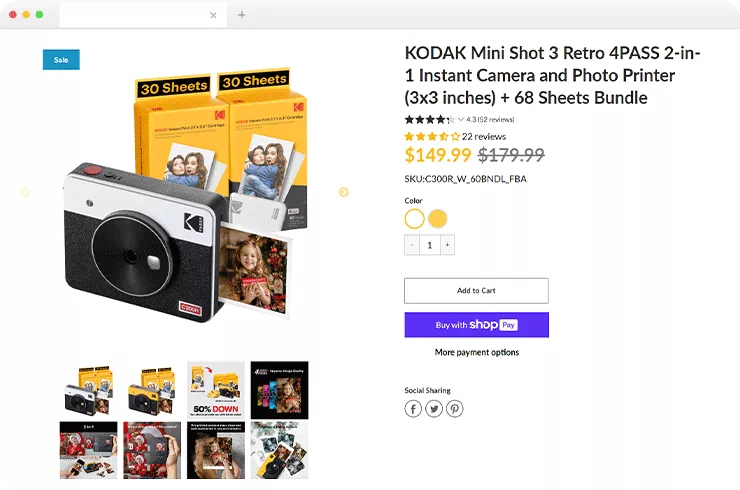 Services · Social
100K+
Social followers built for a brand-awareness program
A brand-awareness program built 100k+ followers across social platforms and generated 100+ leads every week.
Read the case →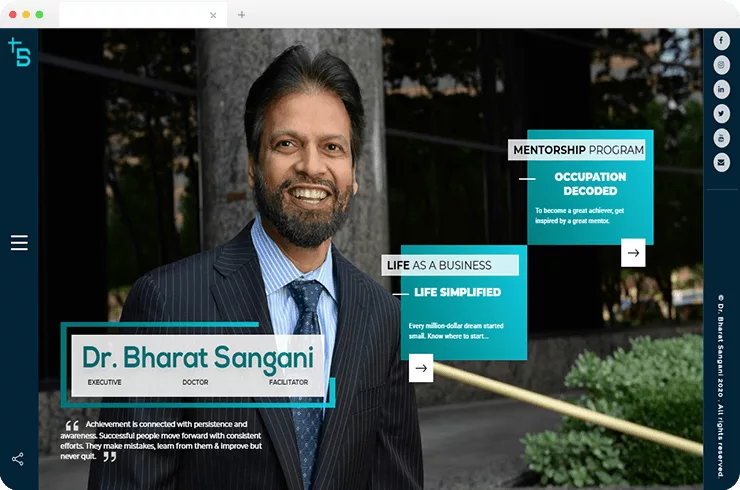 Services · Social + Content
40%
Increase in engagement rate for a services brand
A content-and-social program for a warranty-services brand lifted engagement rate by 40% and positive sentiment by 15%.
Read the case →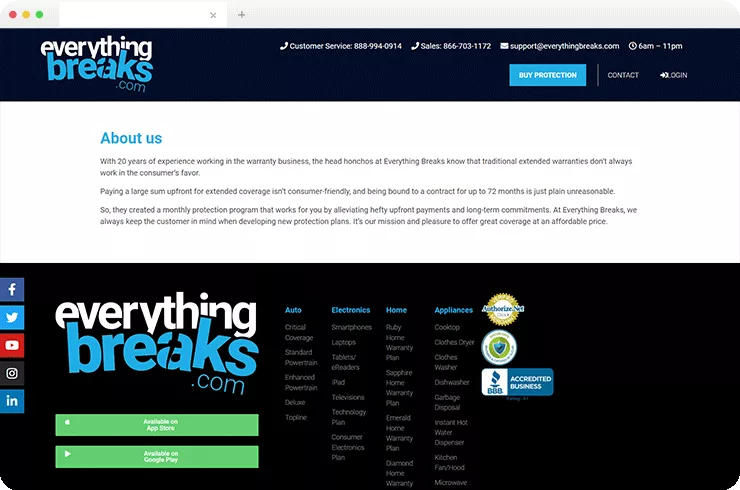
/ What we build
Eight practice areas, one roof. AI is baked into each, not pitched as a ninth service. From creator sourcing to campaign execution, each practice starts from your target audience and brand goals. We vet audiences before we talk rates.
Collaborations with established YouTubers to promote products and services through sponsored videos and creator content.
AI creator discovery & vetting YouTubeInstagram campaigns matched to audience demographics that build brand and drive growth.
AI audience matching InstagramLocal creator partnerships, including mid-tier influencers, with brand-voice design for community reach.
AI regional creator mapping RegionalGlobal-scale, personalized campaigns built around established faces.
AI brand-fit scoring CelebrityStore-and-creator pairings tuned to lift sales and conversion, tracked with promo codes and affiliate links.
AI conversion attribution CommerceRight-fit campaign design resonating with target audiences and personas, set against clear campaign goals.
AI persona & brief building StrategyOriginal creator content and user-generated content aligned with brand identity, with usage rights set out in each brief.
AI creative & scripting support UGC & ContentPerformance analytics, benchmarking, and reporting wired to outcomes, from engagement to measurable sales.
AI real-time campaign monitoring Analytics


/ AI, built in
AI agents shortlist creators, run first-touch outreach, and support rate negotiation at scale.
Emotional-AI analysis and competitive benchmarking to pick creators who actually move sentiment.
Live monitoring of reach, engagement, and spend so campaigns are corrected mid-flight, not after.
Fraud and fake-follower checks with an AI-assisted influencer-relationship management layer.
/ Accelerators
Each accelerator packages the playbooks, creator networks and AI tooling from earlier campaigns, so the riskiest step of your program starts from a tested process.
AI-driven creator discovery, brand-fit scoring, and fake-follower checks that shortlist the right partners fast.
Automated outreach and negotiation workflows that scale creator sourcing without losing personalization.
A creator-content engine with AI scripting support, brand-safety QA, and a publish calendar.
Campaign attribution and reporting wired to dashboards, with AI real-time monitoring on the KPIs that matter.
/ Industries
Each vertical has its own rules for sponsored content: health claims in healthcare, financial disclosures in fintech, age gates for some retail categories. Briefs are written to them.
Omnichannel platforms with unified inventory, AI merchandising, and storefronts that learn from every order.
See retail and ecommerce work →HIPAA-conscious patient platforms, operational AI, and connected systems for providers and pharmacies.
See healthcare work →Secure lending, payments, and decision-intelligence platforms built for audits, uptime, and scale.
See finance and fintech work →Dealer commerce, VIN & fitment catalogs, and service platforms connected to live inventory nationwide.
See automotive work →PropTech platforms, CRM-ERP integration, and AI valuation models for developers and brokerages.
See real estate work →Route intelligence, warehouse automation, and end-to-end shipment visibility on one operational spine.
See logistics work →Content platforms, subscription commerce, and audience analytics that turn viewers into recurring revenue.
See media work →Learning platforms, enrollment systems, and AI tutoring experiences for institutions and edtech firms.
See education work →/ In their words
Brainvire demonstrated reliability, a commitment to delivery, and helped us maintain momentum on critical roadmap items.
/ Recognition
2026Top eCommerce Developers
 2025
The Americas’ Fastest-Growing Companies
 2025
Fastest-growing private companies in America
 2024
North America’s fastest-growing tech companies
/ How it runs
Six steps from the first working session to the final report. Each ends with a sign-off, and timing depends on the size of the roster and the approval rounds.
A working session sets the marketing goals, target audience, budget, and KPIs, and turns them into a campaign strategy and a creator brief. Your brand and marketing leads sign off the brief.
AI persona & brief building StrategyAI shortlists creators by audience fit and brand values. Bought audiences are the trap here, so fake-follower checks clear each one before any outreach.
AI creator discovery & vetting DiscoveryOutreach, rate negotiation and contracts that spell out deliverables, usage rights and disclosure terms. Paid reuse is settled in the contract before production, not discovered after a post you cannot reuse in ads.
AI brand-fit scoring OutreachCreators produce content to the brief. A missing disclosure is the slip to avoid, so each post is reviewed for brand safety and disclosure, and your brand lead approves it first.
AI creative & scripting support ContentPosts go live on a shared calendar, and the strongest ones can be boosted as paid media where the usage rights allow.
AI real-time campaign monitoring LaunchResults are tracked by creator and by campaign, from reach and engagement to promo-code sales, and feed the next brief.
AI conversion attribution Analytics/ Questions, answered
An influencer marketing agency plans and runs creator campaigns for brands from start to finish. It defines campaign goals, chooses the platforms, finds creators whose audiences match yours, and reports results against your KPIs; in between, agencies manage briefs, contracts, disclosure compliance, and content approvals. Brainvire covers each of those steps, with AI in creator discovery, outreach, and monitoring.
Running creator programs in-house means your marketing teams handle sourcing, vetting, negotiation, disclosure checks, and reporting themselves. An influencer agency takes that workload on, which saves time and lets most teams stay focused on the brand and the product. It also brings a tested process for influencer selection and campaign management.
Influencer selection starts from your target audience, not follower counts. We compare each creator's audience demographics, location, engagement quality, content style, and brand values against your brief, and AI creator discovery builds the shortlist before a strategist reviews it.
Authentication is part of vetting. AI-driven checks look for signs of fake followers and inflated engagement, and an AI-assisted relationship management layer keeps a record of how each creator performs over time. Creators who do not pass the checks are not shortlisted.
We run creator campaigns on YouTube and Instagram, and TikTok campaigns for short-form video, alongside regional and celebrity programs. The platform mix follows where your audience already spends time, and a single campaign can use more than one channel.
Yes. Our regional influencer marketing practice works with local creators, including mid-tier influencers, while celebrity marketing covers established faces. Smaller creators can bring closer relationships with their followers and larger ones bring reach, so the right mix depends on your campaign goals and budget.
Yes. AI regional creator mapping helps us connect brands with diverse creators in the markets they want to reach, and each partnership gets brand-voice design so the message fits the local audience.
We start from your marketing goals and target audience, then decide platforms, creator tiers, content formats, and how success will be measured, so the plan rests on data rather than guesswork. The strategy also shapes the brief each creator receives, so their content stays true to your brand while still sounding like them.
User-generated content (UGC) is content made by creators or customers rather than by the brand's own studio. Brands reuse UGC in organic posts, product pages, and ads because it comes from real people. Our content creation practice covers both creator content and UGC.
That depends on the contract. Usage rights define where the brand can reuse creator content, for how long, and whether it can run as paid ads. Settle usage rights before production starts, because extending them later is usually harder to negotiate.
Yes, when the creator agreement allows it. Paid amplification means running a creator's post as an ad, so it reaches people beyond the creator's own followers. Plan that ad spend as its own line, separate from creator fees, and agree on it with the creator before the post goes live.
Campaign management covers briefs, creator contracts, content approvals, a publish calendar, live monitoring and reporting. When multiple campaigns run at once, one calendar and one dashboard keep timing, spend and results in view. Spend against results goes to the CFO, disclosure terms to legal, approvals to the brand lead and the calendar to Operations.
We set campaign goals before launch and track against them: reach, engagement, clicks, and sales. Promo codes, affiliate links, and tracked landing pages tie creator activity to measurable sales, and AI real-time campaign monitoring flags weak posts while the campaign is still live. A post-campaign report ties reach, engagement, leads, and revenue, per creator and for the whole program, back to the KPIs agreed at the start.
Influencer marketing can support brand awareness, audience engagement, and sales. In the camera-brand program on this page, a social media revamp, targeted ads, and influencer collaboration together grew sales revenue by 56.57% and followers by 85.5%. Results depend on the product, the creators, and the budget, so we set targets per campaign rather than promise a figure.
Agency pricing structures can include a retainer, a project fee or a percentage of spend. The total depends on the number of creators, platforms, content volume, usage rights and campaign length, so ask whether creator fees and paid media are included or billed separately. There is no rate card on this page; we quote a fixed-price phase 1, usually strategy and the shortlist, after discovery.
Ask who pays the creators and when, who collects tax forms from them, and whether creator payments sit inside the agency fee or pass through at cost. Clear answers up front prevent delays once content is ready to publish.
In the United States, the FTC's guidance says influencers should disclose any financial, employment, personal, or family relationship with a brand when they endorse its products. Free or discounted products count, even if the brand did not ask for a mention. According to the FTC, simple terms such as “ad” or “sponsored” are often enough if the disclosure is hard to miss and not mixed into a group of hashtags.
Not necessarily. FTC staff say a platform's built-in disclosure tool is no guarantee of an effective disclosure, and that it is best to add your own disclosure even when a platform offers one. For video, the FTC advises putting the disclosure in the video itself, not only in the description.
According to FTC staff, a company that pays and directs influencers may be liable if endorsements fail to disclose unexpected material connections, and it needs reasonable programs in place to train and monitor those influencers. In practice that means briefing creators on how to disclose, reviewing paid posts before they go live, and checking what they publish. Our Content-at-Scale workflow includes brand-safety QA and a publish calendar, so disclosure can be checked before posts go live.
AI agents shortlist creators, run first-touch outreach, and support rate negotiation, while emotional-AI analysis and competitive benchmarking help pick creators who move sentiment. During the campaign, AI monitors reach, engagement, and spend in real time. People still make the calls on creators, briefs, and content; AI speeds up the work around those decisions.
Yes. Social listening and emotional-AI sentiment analysis show how audiences respond to a creator's posts and to competitors, which informs both creator selection and mid-campaign changes. The findings feed the same dashboards as performance tracking.
Creator content does not have to stand alone. It can feed paid media, email, and product pages, which is where influencer work meets the rest of your digital marketing.
An influencer marketing platform is software your team uses to find creators, run campaigns, and track posts yourselves. An agency runs the program for you, often using influencer marketing tools behind the scenes. Marketers with in-house capacity may prefer a platform, while teams that want strategy, creator management, and reporting handled end to end usually choose an agency. Some agencies focus on one channel or on UGC alone, while others cover the full program across platforms.
Look for published case studies with real results, experience across multiple social media platforms, a feel for cultural relevance in the communities you want to reach, rigorous creator vetting for brand safety, clear communication with regular reporting, and a process that ties influencer activity to business outcomes. Published rankings are a starting point, but the right partner is the one whose past work matches your goals.
It depends on scope and approvals. As a guide from our accelerators, AI-driven creator discovery reaches time to value in two to four weeks, and a live briefs-to-publish workflow takes about four weeks to set up.
The creator economy is the market of independent creators who earn from their content through brand deals, ads, subscriptions, and their own products. For brands, it means a large pool of creators to partner with, and more competition for the best ones.
Brainvire has spent 14+ years helping brands grow, with 1,000+ people across 10+ global offices and 95% client retention. An agency makes sense when paid media, content and engagement reporting need to run as one program. A single gifted-product drop runs well enough on a self-serve platform. Our influencer reporting ties every creator back to your goals.
/ Next step
A 30-minute working session with a Brainvire strategist: your marketing goals, channels, creators and measurement, on one page. Start with fit, and the reach follows.
Book a working session →Cookies on this site
Essential cookies are always on. They keep the site secure and make forms work.
We also use Google Analytics and Microsoft Clarity to see how the site is used. We only turn these on if you accept.