Symfony Consulting
Architecture, advisory, and a project roadmap for building right on the Symfony framework.
AI-assisted assessment Advisory Americas' Fastest-Growing 2025
One page from a senior architect, within two business days. The single highest-payback AI move in your Odoo, Adobe or custom stack, and the two things to leave alone. Yours to keep.
One page from a senior architect in two business days: your highest-payback AI move, and what to leave alone.
Skipped upgrades, not the framework, are what age a Symfony app. Brainvire is a Symfony development company that builds high-performance applications on current releases, from the 6.4 and 7.4 LTS lines to Symfony 8. Hire dedicated Symfony developers for your team, or hand us the whole build.
Trusted by leading brands worldwide












/ Client work, on the record
Three are Symfony builds: a higher-education social portal, a veterinary portal revamped on Symfony 3.x, and a fashion marketplace with a Symfony 2 and PHP stack. The freight web application comes from our wider portfolio. Every card is one client, on the record.
 Logistics · Web App
43%
Boost in logistics efficiency for a freight platform
We built a freight-management web application with a React front end, driving a 43% gain in logistics efficiency and 95% accurate real-time shipment tracking.
Read the case →We built HigherEdSpace, a college portal and social network, with a Symfony role-management module that handles students, companies, staff, and colleges with strong security.
Read the case →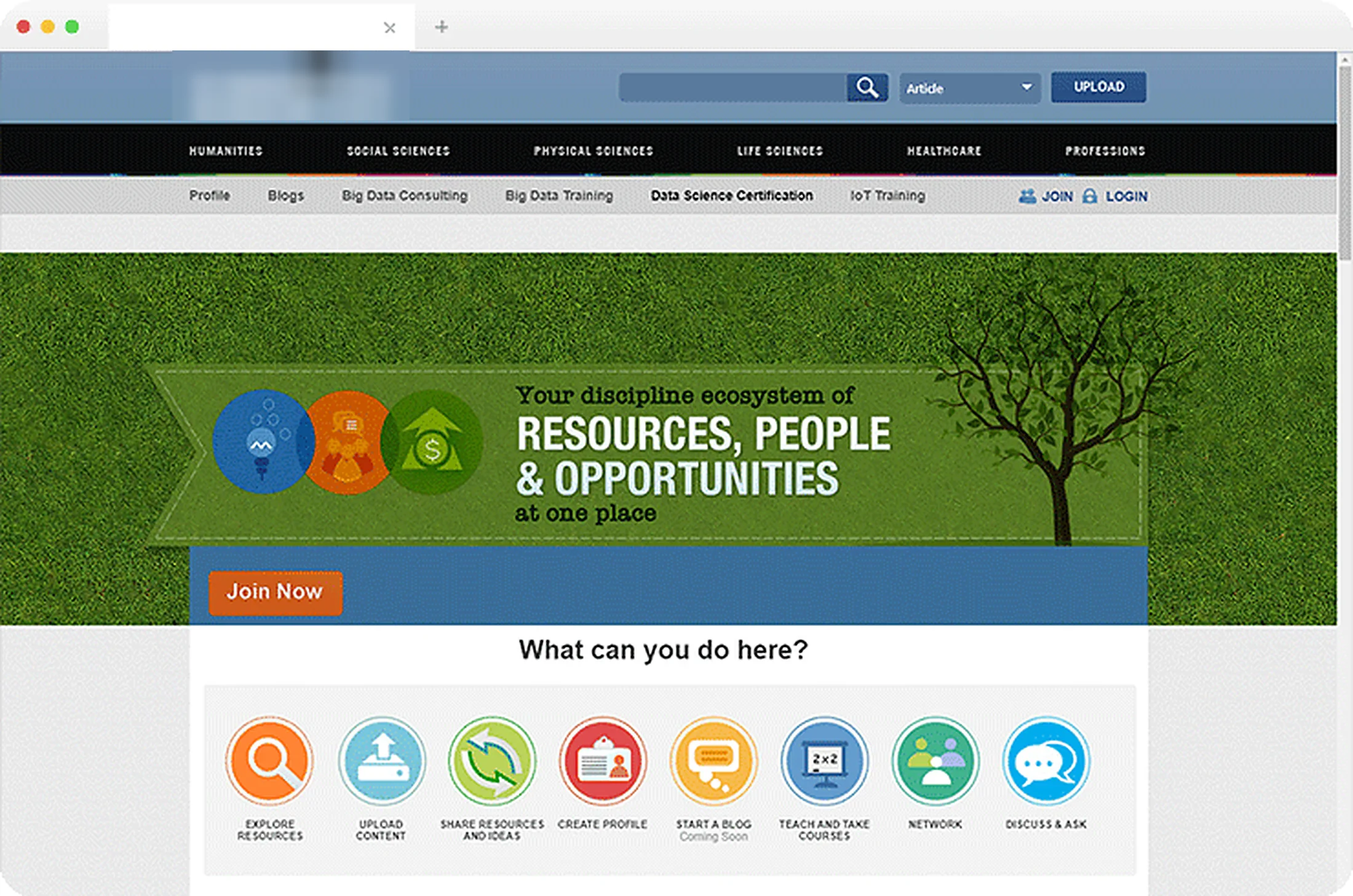
We fully revamped a New Zealand veterinary distributor’s Symfony portal on Symfony 3.x, with a role-based hierarchy for farmers, vets, and clinics and an event scheduler for vaccination.
Read the case →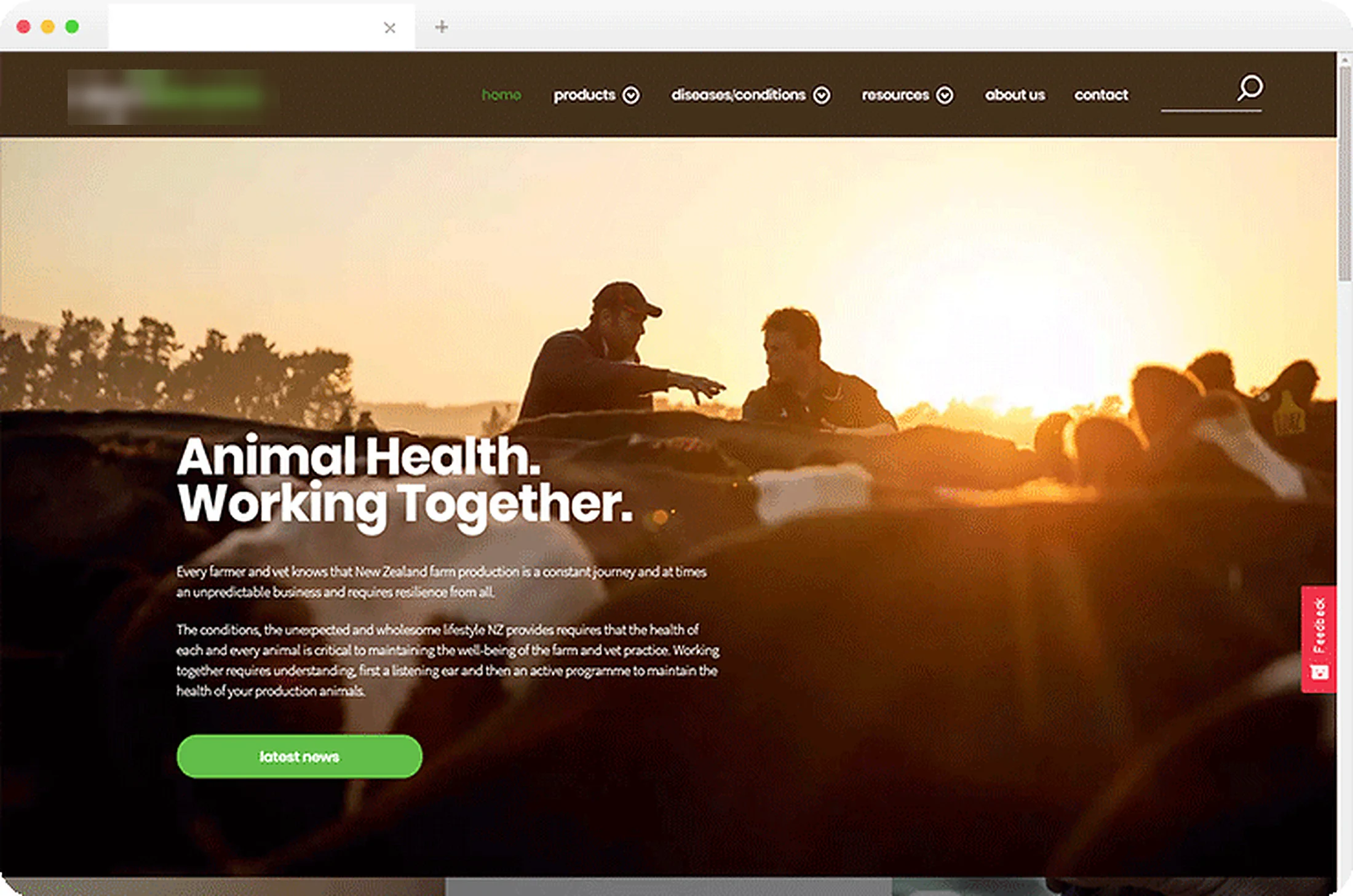
We built a Magento marketplace for an Indian ethnic fashion brand, with a Symfony 2 and PHP stack that fetches and validates seller data, runs quality checks, and organizes the site’s internal data.
Read the case →
/ What we build
Eight practice areas for Symfony web application development, from greenfield builds and SaaS platforms on current releases to legacy PHP applications brought forward, under one engineering standard. We also handle custom web and API work, reusable bundles and third-party integrations. Our default: start on the current LTS line unless a dependency forces otherwise.
Architecture, advisory, and a project roadmap for building right on the Symfony framework.
AI-assisted assessment AdvisoryCustom Symfony development for scalable, complex web applications.
AI-assisted development WebREST and GraphQL APIs with API Platform for clean integration.
AI-mapped integration APIReusable Symfony bundles and plugins that extend the framework.
AI code scaffolding BundlesPayment, ERP, CRM, and messaging integrations wired in cleanly.
AI integration mapping IntegrationSymfony migration for legacy PHP and older Symfony versions, onto current releases.
AI code conversion MigrationMySQL, PostgreSQL, MongoDB, and Doctrine ORM data layers, tuned.
AI query optimization DataDocker, Kubernetes, continuous integration and delivery, and 24/7 support, bug fixes, and maintenance.
AI anomaly detection Operations


/ AI, built in
Copilots scaffold bundles, Doctrine entities, and PHPUnit tests across the Symfony stack.
AI-assisted refactors move legacy PHP and old Symfony versions onto current LTS with tests.
We wire embeddings, search, and model endpoints into Symfony APIs behind clean contracts.
Automated tests, static analysis, and dependency scanning wired into CI/CD.
/ Accelerators
Each accelerator packages the playbooks, pre-built components and AI tooling from earlier PHP and Symfony programs. The riskiest step of your roadmap starts from tested parts instead of a blank repository.
A pre-built Symfony application skeleton: auth, roles, admin, and API layer, with AI-assisted scaffolding.
API Platform endpoints and third-party integrations wired in with AI-mapped data flows.
Legacy PHP and older Symfony versions re-platformed with AI-assisted code conversion and test coverage.
A test-automation harness with AI-generated coverage wired into your Symfony pipeline.
/ Industries
Symfony shows up differently in each vertical: carrier and ERP integrations in logistics, role-heavy portals in education, sales tax and catalog rules in retail. We plan bundles and data models around those rules.
Omnichannel platforms with unified inventory, AI merchandising, and storefronts that learn from every order.
See retail and ecommerce work →HIPAA-conscious patient platforms, operational AI, and connected systems for providers and pharmacies.
See healthcare work →Secure lending, payments, and decision-intelligence platforms built for audits, uptime, and scale.
See finance and fintech work →Dealer commerce, VIN & fitment catalogs, and service platforms connected to live inventory nationwide.
See automotive work →PropTech platforms, CRM-ERP integration, and AI valuation models for developers and brokerages.
See real estate work →Route intelligence, warehouse automation, and end-to-end shipment visibility on one operational spine.
See logistics work →Content platforms, subscription commerce, and audience analytics that turn viewers into recurring revenue.
See media work →Learning platforms, enrollment systems, and AI tutoring experiences for institutions and edtech firms.
See education work →/ In their words
Brainvire demonstrated reliability, a commitment to delivery, and helped us maintain momentum on critical roadmap items.
/ Recognition
2026Top eCommerce Developers
 2025
The Americas’ Fastest-Growing Companies
 2025
Fastest-growing private companies in America
 2024
North America’s fastest-growing tech companies
/ How it runs
Six steps take a Symfony engagement from the first working session to a monitored application in production, whether you add developers to your team or hand us the whole build. Each step of the development process ends with something you sign. How long it runs depends on the codebase and the version gap.
Your product owner and tech lead meet a Brainvire architect. We map your application, your current stack and the business goals the work has to serve. You get a written brief with the measures of success, and you sign it before anyone writes code.
DiscoveryWe match seniority and Symfony expertise to the scope: expert Symfony developers inside your team, or a Brainvire team that owns delivery. You interview the proposed engineers and approve the team plan, including how hours and handoffs work.
TeamBundles, services, the Doctrine data model, API contracts and the deployment pipeline are planned before the first sprint, so each Symfony web application stays modular as it grows. Abandoned third-party bundles are the quiet threat at this stage, so every dependency is checked for supported releases and you approve any replacements.
AI code scaffolding ArchitectureAgile delivery: short sprints against a shared backlog, code review on every change and a working build at the end of each sprint. Your product owner accepts or rejects each story at the sprint demo.
AI-assisted development BuildUnit, integration and application tests, static analysis and a security review run before each release, and continuous integration flags any change that breaks the build. Doctrine queries can pass every test and still crawl on real data volumes. That is why we profile against production-sized data before you sign the release.
QualityAfter go-live, the same Symfony experts handle monitoring, bug fixes, dependency updates and version upgrades, so your Symfony apps stay on a supported release. Left alone, deprecations pile up until a major upgrade turns into a rewrite, so the team clears them on every minor release.
AI anomaly detection Support/ Questions, answered
Our engineers work across the whole framework, from bundles and Doctrine to API Platform. As a Symfony development company, we bring 14+ years of experience, 1,000+ people and 10+ global offices. One engineering standard covers the eight practice areas above, with AI-assisted delivery built in. Symfony work sits alongside our wider software development services, so QA, DevOps and AI engineering follow the same standard.
Symfony describes itself as a set of PHP packages, a web application framework, a philosophy, and a community. It is an open source PHP framework: as a full-stack framework it covers security, routing, templates, an ORM, and validation, so teams build web applications on tested building blocks instead of writing that plumbing from scratch.
Yes. symfony.com states that the Symfony source code is published under the MIT License, a permissive open source license, so there is no license fee for the framework itself.
Yes. symfony.com reports a community of over 600,000 developers in more than 120 countries and is celebrating 20 years of Symfony. It calls Symfony Components the building blocks of modern PHP and names Drupal, Laravel, API Platform, and Composer among the projects that trust them. Symfony 8.1 was released in May 2026, and a new minor version follows every six months.
symfony.com names SensioLabs as the creator of Symfony and the company that sponsors the project. Today the framework is built in the open, and symfony.com counts more than 3,000 contributors.
As of September 2026, symfony.com lists Symfony 8.1 as the latest stable version, released in May 2026, and Symfony 7.4 as the current long-term support version, with bug fixes until November 2028 and security fixes until November 2029. Symfony 8 requires PHP 8.4 or later, while Symfony 7.4 requires PHP 8.2. We weigh your hosting, your dependencies, and how often you want to upgrade before recommending one.
According to the Symfony release process, a patch version with bug fixes only comes out roughly every month, a minor version comes out every six months (one in May and one in November) with new features but no breaking changes, and a major version comes out every two years in November of odd years. The last minor version of each branch, such as 6.4 or 7.4, is a long-term support version: bugs are fixed for 3 years and security issues for 4 years, against 8 months for standard versions.
They build and maintain Symfony web applications and APIs: controllers and services, Doctrine entities and queries, forms and validation, security, and the tests around all of it. Day to day that means backend development, API integration with third-party systems, performance optimization, code review, and keeping dependencies on supported versions.
In a PHP Symfony developer, look for a deep understanding of dependency injection and the service container, Doctrine ORM and how to fix its performance issues, the security system (user providers, password hashing, and firewalls), and unit, integration, and application tests. Experienced Symfony developers also follow the official Symfony Best Practices, such as autowiring services and using attributes for Doctrine entity mapping.
Look beyond general PHP competence. A practical exercise on a real Symfony architecture problem tells you more than syntax questions: ask candidates to wire a service through dependency injection, tune a slow Doctrine query, or secure a route with a firewall. Then check references and portfolios for real Symfony solutions they shipped and the performance gains they can explain, and weigh team fit alongside technical skill. When you brief candidates or a vendor, state your PHP version and CI/CD setup up front.
Three. You can hire dedicated Symfony developers who join your team, or add a dedicated team with its own project managers. Or outsource Symfony development to a Brainvire team that owns delivery, from a single Symfony development project to a long-running platform. Cost moves with the seniority mix, the number of integrations and how far your version sits from current LTS. We quote a fixed-price phase 1 after discovery, matched to your business needs.
A full-time Symfony developer suits long-term needs and deep integration with your team. Contractors offer flexibility for a defined Symfony project. An agency adds project management and a bench of Symfony specialists. Hire our dedicated team when the scope spans architecture, build and support at once. For one bundle or a small patch, a contractor is the simpler choice.
That gets agreed before anyone starts. Working hours, overlap and handoff times are set in the team plan you approve in step two. Remote Symfony developers then join your standups, tickets and code reviews the same way in-house engineers do, with a named owner on our side.
Business portals, SaaS back ends, B2B and eCommerce platforms, internal tools, and APIs that feed mobile apps and single-page front ends, so one back end serves both web and mobile. Symfony application development suits high-performance web applications with heavy integration needs. Three of the cards above are Symfony builds, and each practice area on this page is a capability we deliver.
Yes. Symfony migration covers two routes: moving a legacy PHP application or another framework onto Symfony, and bringing an older Symfony version onto a supported release. It starts with a code audit that maps technical debt and test coverage, then moves the application in stages, so each step ships with tests instead of one big-bang rewrite.
Minor Symfony versions can add deprecations but no breaking changes, while a major version can contain breaking changes. So we move to the last minor version of your current branch first, clear the deprecations the test suite reports, then upgrade to the next major version and its PHP requirement.
symfony.com presents Symfony and API Platform together for building powerful APIs. We use API Platform for REST and GraphQL endpoints with documented contracts, and handle API integration with payment, ERP, CRM, and messaging systems as in the integration card above.
Symfony packages are decoupled and reusable, so a project installs only the packages it needs with Composer, and the same reusable components serve a full-stack web app, a lean API, or a console tool. Bundles package shared features for reuse across applications, which keeps large codebases organized as they grow.
We start with Symfony's security system: user providers, password hashing, firewalls, access control, and login throttling. Sensitive settings live in Symfony secrets rather than in code, data encryption covers traffic in transit and sensitive fields at rest, and dependency scanning runs in CI/CD so the application stays secure after launch.
Slow Symfony applications are often slow in the database, so we profile first, then fix inefficient Doctrine queries, add indexes, and cache what does not change often. After that the web tier scales out behind a load balancer, giving you a scalable architecture instead of ever-bigger servers.
Our support services cover security patches and dependency updates, upgrades before a version loses support, monitoring and alerting, bug fixes and ongoing performance work. Coverage and response terms are written into a support plan you sign before launch, so both sides know the scope.
Dependency injection means a class receives the objects it needs from the outside instead of creating them, which keeps code decoupled, reusable, and testable. Symfony automates the pattern with its service container, and thanks to autowiring the container reads constructor type-hints and figures out each service's dependencies by itself.
Through Doctrine. symfony.com says Symfony provides all the tools you need to use databases thanks to Doctrine: the Doctrine ORM maps PHP entity classes to tables in MySQL, MariaDB, PostgreSQL, or SQLite, and DoctrineMigrationsBundle generates migrations as the schema changes. MongoDB is supported through DoctrineMongoDBBundle, and the web debug toolbar shows the number of queries on each page, a quick first check when a page is slow.
Book the 30-minute working session below. A Brainvire architect reviews your application, your architecture and your roadmap with you. From there we agree on the team shape and the first milestone. The CFO gets a fixed phase 1 budget, IT gets an upgrade path, the product owner gets a backlog and Operations gets a support plan.
/ Next step
A 30-minute working session with a Brainvire architect: your architecture, integrations, AI roadmap and the Symfony team it needs, on one page. Keep the upgrades current, and the app stays young.
Book a working session →Cookies on this site
Essential cookies are always on. They keep the site secure and make forms work.
We also use Google Analytics and Microsoft Clarity to see how the site is used. We only turn these on if you accept.