Mobile App Development Los Angeles Companies Can Take Straight to the App Store
We serve Los Angeles from our Plano, Texas headquarters. Our mobile app development services have pushed retail, fintech, automotive and last-mile delivery apps through App Store and Play Store review. The numbers sit on our own case studies. This page is for product owners in Culver City, Playa Vista, El Segundo and the Arts District who already paid once for a prototype that never became a build.
What Mobile App Development in Los Angeles Is Really Up Against
Los Angeles County is a $1 trillion economy, about a quarter of California's, and it doesn't run on one industry. It's the center of US entertainment and a major aerospace and defense cluster in the South Bay, around El Segundo and Hawthorne. The ports of Los Angeles and Long Beach moved about 20 million TEUs between them in 2025, roughly 30% of US container trade. Add the roughly 100-block Fashion District downtown, the health systems and the hundreds of tech companies along Silicon Beach from Santa Monica through Playa Vista. You get one metro where four different app buyers want four completely different products.
That mix decides the brief before anyone opens a code editor. A Culver City studio or an Arts District creator brand is judged against Instagram and Netflix, so media handling, animation and offline playback are the whole fight. An El Segundo supplier on defense contracts cares about code provenance, device management and exactly who touched the build. A distributor in Vernon needs a scanner that works in a metal building with two bars of signal. Those aren't three flavors of one app. They're three architectures, three release cadences and three definitions of done.
A California rule set follows every one of those apps, and it tightened on January 1, 2026. A business now has to show whether it processed a user's opt-out preference signal. We cover what that means further down. Almost none of the exposure we find is deliberate. It's an analytics SDK someone dropped in during a sprint that nobody ever mapped.
Los Angeles App Development Work We Can Actually Point To
We start with our published Los Angeles client, a wholesale distributor, though that project is a CRM platform rather than a mobile application. The two app projects carrying published numbers are international accounts, labeled that way instead of dressed up as local wins.

The one genuinely Los Angeles account in our published library. We built a custom Auro CRM for a long established wholesale distributor in the city and integrated it with the SAGE ERP they already ran, so quotes, carts, and follow up stopped living in three separate places. It is a platform build rather than a mobile app, and the case study publishes no result metrics, so this card shows none.
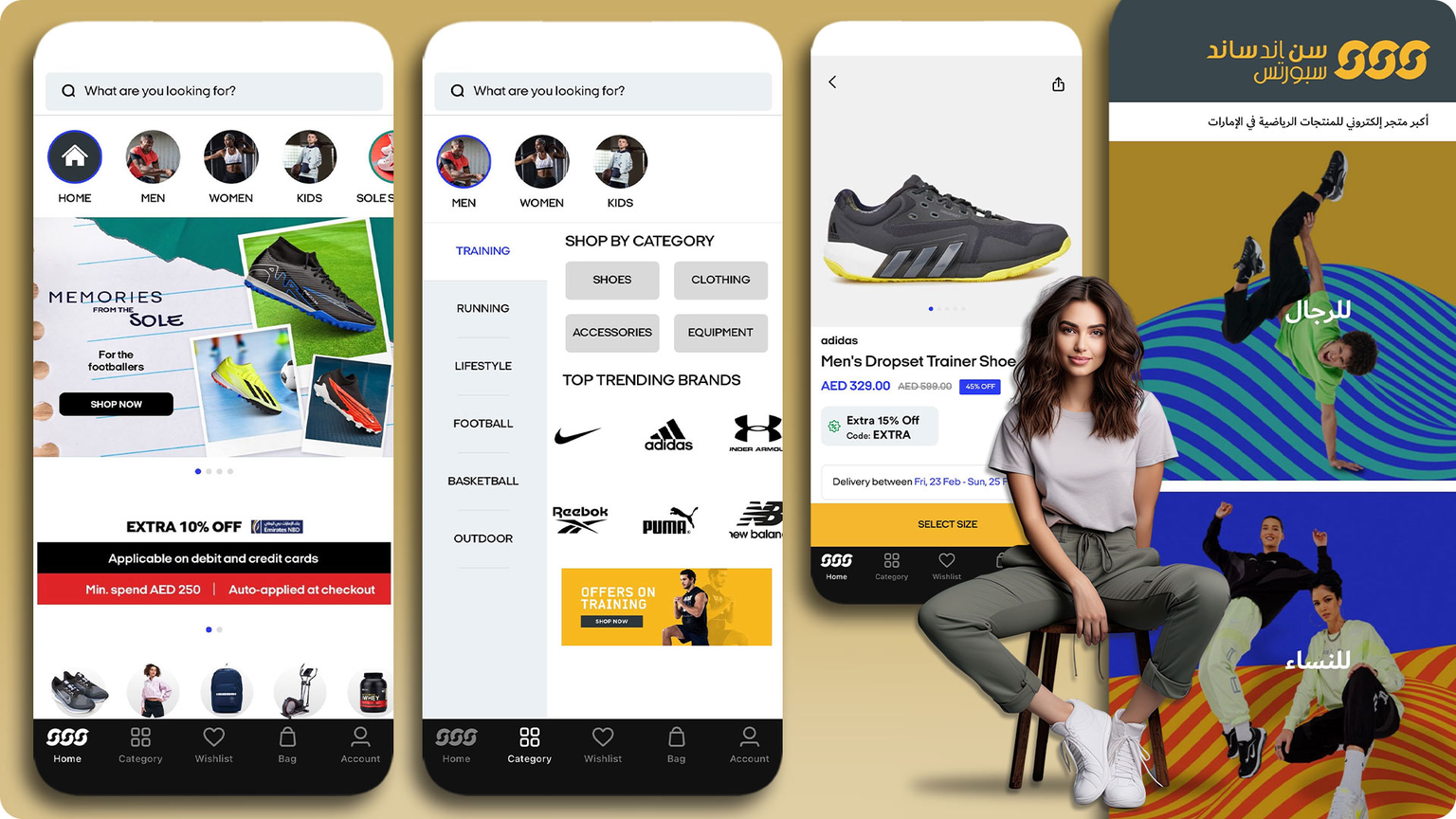
A sports retail app on Salesforce Commerce Cloud with personalization built into the browse and checkout path. The closest published parallel we have to a consumer brand launch at the scale a Los Angeles apparel label expects.
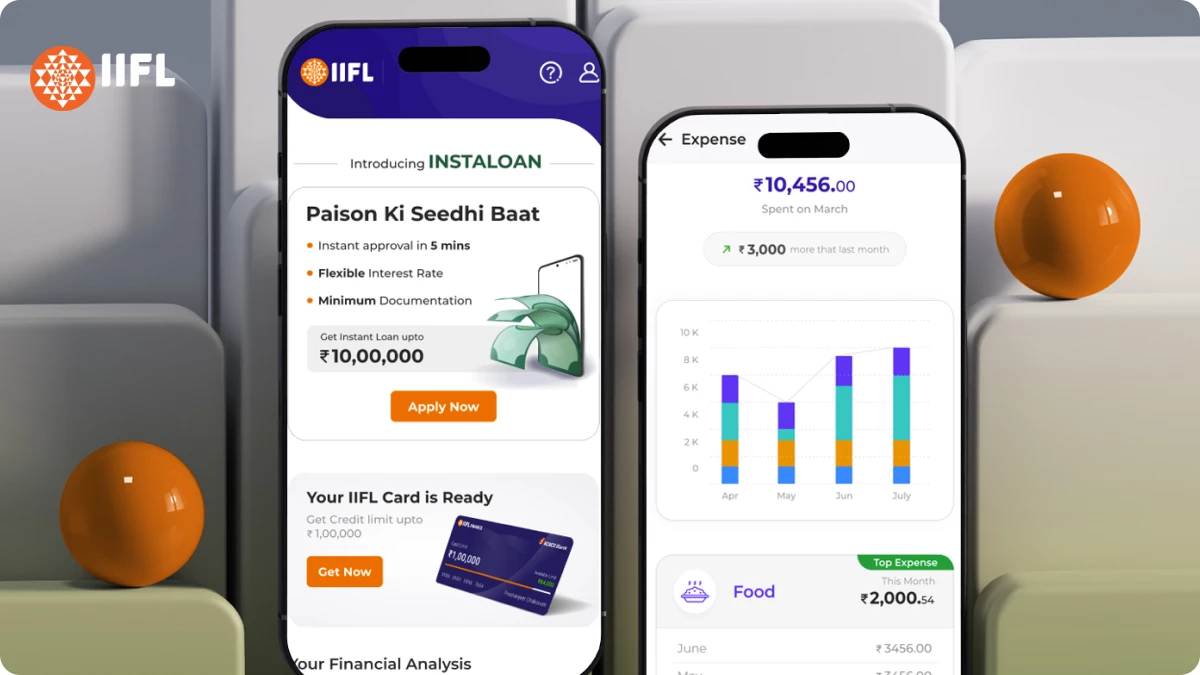
An AI assisted wealth app where users track portfolios and receive recommendations. Regulated data, biometric sign in, and a full audit trail, which is the same posture a California health or finance app has to hold from day one.
Mobile App Development Los Angeles Product Teams Can Scope Line by Line
iOS app development in Swift and Android app development in Kotlin when the app lives or dies on camera, media, sensors or offline behavior. Nothing wrapped, nothing bridged and no web view pretending to be a screen.
Scope this work →Cross platform buildsCross-platform app development in React Native and Flutter when one codebase really serves the Apple App Store and Google Play Store. We've also carried an aging Xamarin app onto .NET MAUI when the original stack ran out of road.
Scope this work →Store submission and compliancePrivacy nutrition labels, data safety forms, staged rollouts, review responses and the rejection appeals nobody writes into a proposal until one happens.
Scope this work →Commerce and loyalty appsCustom mobile app development for commerce: catalog, checkout, wallet and push, wired into the platform you already run, so mobile and web apps share one version of the truth.
Scope this work →Field and warehouse appsScanners, route tools and driver apps that keep working in a Vernon warehouse or at a port terminal where the signal drops the moment you walk inside.
Scope this work →Rescue and maintenancePost-launch support, ongoing technical support and takeovers of apps another team left half-finished, starting with the crash queue, the SDK inventory and the California privacy cleanup nobody scheduled.
Scope this work →Native or Cross Platform, Decided on Evidence
Every Los Angeles buyer asks this in the first meeting. Our rule: cross-platform unless the camera, sensors or offline work say otherwise. Here's how we weigh it before quoting anything.
| Native iOS and Android | One cross platform codebase | |
|---|---|---|
| Best fit | Media, camera, AR, sensors, heavy offline work, anything a studio or hardware team ships | Content, commerce, booking, dashboards, internal and field tools |
| Time to both stores | Two builds and two release trains, longer to feature parity | One build, submissions that land close to simultaneously |
| Cost shape | Higher to build, lower risk on platform specific features | Lower to build, with a native module written anyway for the hard parts |
| Staffing it later | Two skill sets to hire or retain once we hand over | One team can hold the whole app in their heads |
| Where it hurts | Feature drift between platforms when the two teams stop talking | New operating system features land late, and heavy animation still needs native help |
How a Los Angeles App Build Actually Runs
Discovery opens our mobile app development process: two weeks with your product owner, IT lead and our architect. We map the jobs the app has to do, the existing systems it must speak to and the California privacy obligations it inherits. You sign off the scope before anyone opens a design file.
You get: a scoped backlog, a native or cross platform recommendation with the reasoning written down, and a fixed price for the first phase
We create apps as clickable builds first: flows and screens you can put in front of real users. In a city this design-literate, we'd rather be argued with early than politely approved. Your product owner signs off the prototype before build.
You get: an interactive prototype and a design system your next team could pick up cold
Two-week sprints, each ending in a demo of working software from the mobile app development team. Store assets, privacy labels and data safety forms get prepared alongside the code. The risk is a field app that fails offline, so connectivity tests run on real devices before each demo.
You get: a running app in TestFlight and internal testing from the second sprint onward
Submission, staged rollout, crash triage, store listing work and a steady release cadence that keeps user engagement and ratings from sliding. The CFO sees cost per release, IT sees privacy and security posture, the product owner sees ratings and operations sees crash rates.
You get: a monthly release train, a crash and rating dashboard, and a named engineer who answers you directly
Choosing a Mobile App Development Company Los Angeles Buyers Can Check
Seven claims. You can verify every one of them in an afternoon without booking a call.
- We serve California clients from our US headquarters in Plano, Texas, two hours ahead of Los Angeles, plus our global delivery teams.
- Mahmoud Paridehpour, quoted below, is CIO of 4sgm.com, a wholesale distributor headquartered in Los Angeles. That is our one on the record Los Angeles voice, and we are not going to inflate it into more than it is.
- The apps we name are live and public. Sun and Sand Sports, IIFL, Alghanim Honda, Insomnia Cookies, and Under Armour all sit in our case library, and the ones that publish no numbers are shown here without numbers.
- 265 reviews at a 4.8 average on Clutch, a profile we do not control and cannot edit.
- The mobility practice is led by a named executive, Maharshi Pancholi, our VP of Mobility Solutions, rather than a rotating account manager.
- 1,000+ people sit behind the app team, including custom software development and web development teams. The commerce, ERP or data work your app depends on is done by the same firm.
- Partner status with Adobe, Salesforce, Shopify, Microsoft, and AWS, which matters the moment your app has to read from a system somebody else owns.
 Maharshi PancholiVP, Mobility Solutions
Runs the mobile practice: the iOS, Android, React Native, and Flutter teams, and the release engineering that gets their work past store review.
 Chintan ShahCEO and Founder
EY Entrepreneur Of The Year 2024 Southwest finalist. Serial entrepreneur, 14+ years spent building Brainvire into a 2,000 brand portfolio.
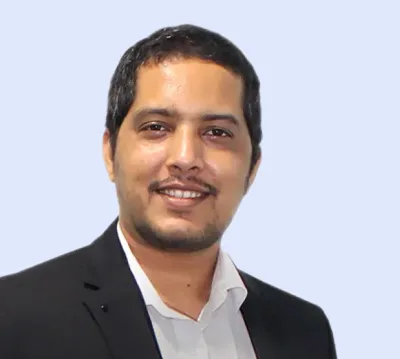 Bharat PatelVP of Digital Marketing
Named among the 100 Smartest Digital Marketing Leaders by the World Digital Marketing Congress. Owns the install, rating, and retention work that starts the day you launch.
On the Record, One of Them From a Los Angeles Company
They are trustworthy and dependable. Because of the team's consistent and reliable honesty, the client is able to trust in their growing relationship with them.
Not only have they delivered what they said they would as per the timeline but they're easy to communicate with. The project was completed according to the initial time frame.
Their design team is top-notch and ahead of the curve; they understand customer behavior. Their solutions helped to convert the vision and achieve what we were looking for.
What App Developers Los Angeles Teams Hire Actually Cost
Mobile app development cost in Los Angeles swings because scope does. Four things move the number: native versus cross-platform, the systems the app must speak to, offline and media demands, and the California privacy work. CCPA fines run to $7,988 per intentional violation, so consent plumbing belongs in scope. We price discovery as a fixed first phase.
Month to month. No lock-in contracts.
- A fixed price discovery phase before any build commitment
- A named engineering lead with direct access, not a ticket queue
- Store submission, privacy labels, and data safety forms included
- Crash, rating, and release reporting every single month
- No lock-in, cancel any month
App Questions Los Angeles Buyers Actually Ask
Which Los Angeles industries make the hardest apps?
Media is the unforgiving one for anyone building mobile apps. An app for a Culver City studio or an Arts District creator brand gets compared to products with hundreds of engineers on them. Streaming, offline downloads, rights logic and frame-accurate playback all have to work on a mid-range Android handset. Aerospace and defense work in El Segundo and Hawthorne is hard differently. The code itself gets audited, so dependency provenance and a clean commit record matter as much as the interface. Port and warehouse apps fail on connectivity, which puts local persistence first. Fashion District retail apps are the friendliest, and even those live or die on how fast a limited drop goes live.
How does California privacy law change an app roadmap?
More than most teams budget for. Since January 1, 2026, CCPA regulations require a business to show whether it processed a consumer's opt-out preference signal. Earlier rules already keep the opt-out flow no harder than the opt-in. Precise location, health readings and biometrics carry their own limits as sensitive data. That's a product change, not a legal page, touching your consent screen, settings menu, analytics and every ad SDK. Apple's App Tracking Transparency prompt covers none of it. Retrofitting consent into a shipped app costs several times more, and intentional violations run to $7,988 each.
Do you actually need a Los Angeles agency to build a Los Angeles app?
No, though a local mobile app agency helps with two real things. One is workshops where a whole room needs to be present, and the other is the cultural read on a consumer product aimed at this city. If those matter most, a Los Angeles studio is worth the premium. Architecture, sprint demos, code review, store submission and crash triage run through the same tools wherever the engineer sits. Ask every shortlist of Los Angeles app developers, including us, for a client you can phone and a case study with published figures. Then ask who'll run the build.
Mobile App Development Los Angeles Questions, Answered
Do you have an office in Los Angeles?
No. Our only US office is our headquarters in Plano, Texas, two hours ahead of Los Angeles, and we won't invent a local address to look local. California clients work with the same mobile app developers as everyone else, through the same sprint demos, shared board and named lead. If your build needs a team in the room every week, a Los Angeles studio is the better fit.
Have you built anything for a Los Angeles client?
Yes, and we'll be precise. The published Los Angeles project in our library is a custom Auro CRM built for a long-established wholesale distributor in the city, integrated with its existing SAGE ERP. It's a software development project, not an app, and the case study publishes no result metrics, so we quote none. Separately, Mahmoud Paridehpour, CIO of the Los Angeles wholesale distributor 4sgm.com, is one of the three clients quoted on this page.
How much does it cost to build an app in Los Angeles?
It depends on scope, and app development companies quoting before discovery are guessing. Cost follows the systems the app must speak to, native or cross-platform, and the California privacy work it inherits. Our app development services run month to month with no lock-in contract. We price mobile application development discovery as a fixed fee so the first invoice can't surprise you, and you keep the scope document either way.
Should a Los Angeles consumer app be native or cross platform?
If the app is built on camera, video, AR, sensors, or serious offline behavior, which describes a lot of what gets built for entertainment and hardware companies here, go native. If it is commerce, content, booking, or an internal tool, one cross platform codebase in React Native or Flutter usually reaches both stores faster and cheaper. We put the recommendation and the reasoning in writing at the end of discovery, and you are free to take that document to another firm.
What does California privacy law require inside my app?
Since January 1, 2026, the CCPA regulations require you to show whether a user's opt-out preference signal was processed, for example with an opt-out honored notice. Your opt-out flow can't be harder than your opt-in flow. Precise location, health data and biometrics carry extra limits as sensitive personal information. App Tracking Transparency satisfies none of it, so we map every SDK during discovery.
How long does it take to get from kickoff to the App Store?
For a focused first release, discovery runs about two weeks, design and build usually run three to five months depending on integrations, and store review adds days rather than weeks once the privacy labels and data safety forms are already correct. Apps that have to talk to an ERP, a warehouse system, or a media pipeline take longer, and we would rather say so in the scope than discover it in sprint six.
Can you take over an app another agency started?
Yes, for any mobile application another team started. We begin with a written assessment: crash and stability review, dependency and SDK inventory, store account and certificate status and a California privacy check. You keep that document whether or not you hire us for the work, and it tells you plainly whether to salvage or rebuild.
Who actually writes the code?
Brainvire engineers, under Maharshi Pancholi, our VP of Mobility Solutions. There is no reseller layer between you and the build, you meet the leads before you sign, and the same firm handles the commerce, ERP, or data work sitting behind the app so nobody gets to blame an invisible third party.
Keep Looking Around
Nearby markets
Scope Your Los Angeles App Build
Tell us what the app has to do and which stores it has to reach. One of our app developers, not a salesperson, comes back with a written scope, a native or cross-platform recommendation and the reasoning behind it.
We're a good fit if your app has to work offline, pass a code audit or stay in step with a commerce or ERP platform. We're probably not the right call for a single-screen MVP, where a freelancer costs less, or if you need engineers in your office.
Brainvire also serves mobile app development clients in other US markets — see our Mobile App Development California, App Developer Chicago, Mobile App Developer in Austin, Mobile App Developers in Miami.